
Ancient Roman ruins, medieval castles, Renaissance gardens and plates of rich risotto reveal a different side of Verona, one of Italy’s most compelling historic cities.
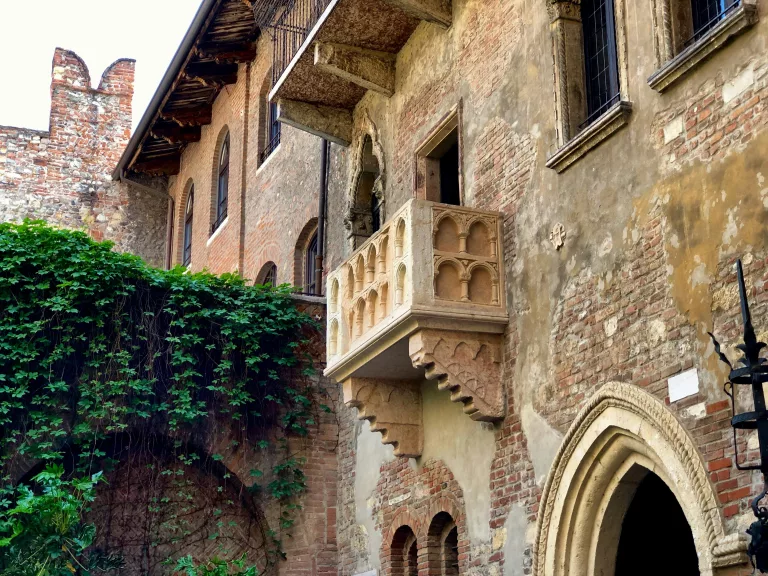
Balcone di Romeo & Giulietta, Via Cappello, Verona, VR, Italy / Maksym Harbar / Unsplash
Verona has long been the setting for one of the world’s best-known love stories. But beyond the balcony associated with Shakespeare’s Romeo and Juliet, this northern Italian city has more than 2,000 years of history to uncover, from Roman amphitheatres to medieval fortifications and a food culture rooted in the surrounding Veneto countryside.
Set along the River Adige, Verona’s historic centre was declared a UNESCO World Heritage Site in 2000. It’s streets preserve traces of Roman, medieval and Renaissance life, often within walking distance of one another. It’s a city where history is not confined to museums but forms part of the everyday landscape.
Roman history, still standing
Start at Piazza Bra, where the Arena di Verona dominates the square. Built around the first century AD, the Roman amphitheatre is one of the city’s defining landmarks. Today, it’s best known for it’s summer opera festival, which has brought performances to the ancient structure since 1913.
The combination of Roman architecture and live opera makes the Arena worth seeing beyond a quick photograph. If your visit coincides with a performance, experiencing the monument after dark offers a different perspective on it’s long history.
Roman Verona extends well beyond the amphitheatre. Porta Borsari, once a city gateway, and Ponte Pietra, a historic bridge across the Adige, offer further glimpses into the city’s ancient past. The Roman Theatre, set against the hillside on the opposite bank, adds another layer to the story.
Castles and river views
Verona’s medieval history comes into focus at Castelvecchio, a fortified castle built in the 14th century under the rule of the Scaliger family. It’s red-brick walls and defensive towers now house a museum displaying works of art and historical collections.
Beside it, the fortified Ponte Scaligero crosses the river, it’s distinctive brickwork making it one of Verona’s most recognisable bridges.
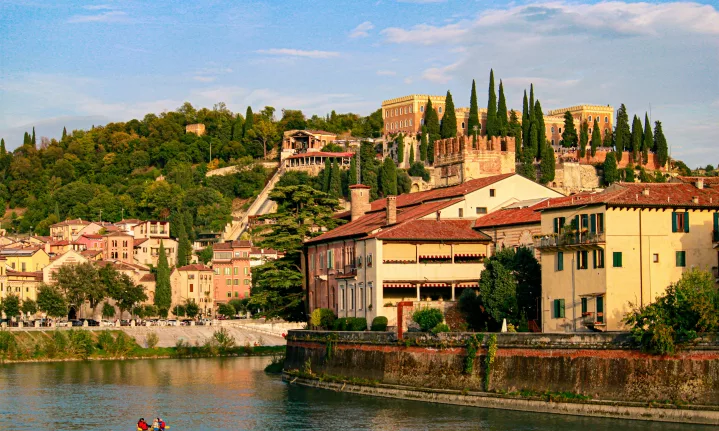
For a different view of the city, head towards Ponte Pietra and the hillside around Castel San Pietro. From here, terracotta rooftops cluster around the river, while historic buildings rise above the winding streets. It’s an ideal spot to take in Verona’s layout before returning to explore it on foot.
These landmarks are part of what makes the city so rewarding. Roman foundations, medieval fortifications and later architecture coexist within a remarkably preserved historic centre.
The squares that bring Verona to life
At Piazza delle Erbe, Verona’s history meets everyday city life. Once the site of the Roman forum, the square is surrounded by historic buildings, frescoed façades and cafés. Market stalls add to the bustle, making it a natural stop for a coffee or a little people-watching.
Nearby, Piazza dei Signori offers a quieter architectural contrast, framed by historic palaces and monuments connected to Verona’s political past.
The appeal of these squares is not just their architecture. They offer a glimpse of how the city is lived in today, with locals meeting over coffee and visitors moving between markets, museums and restaurants.
A Renaissance garden above the city
For a break from the busy historic centre, cross the river to Giardino Giusti. Created during the Renaissance, the garden retains its formal layout, with cypress-lined paths, fountains, statues and terraces.
The climb through the garden leads to viewpoints overlooking Verona’s rooftops. It’s a quieter way to experience the city, particularly after spending the morning among its busiest attractions. The adjoining historic palace also offers insight into the Giusti family and the property’s long history.
Taste the Veneto
Verona’s food is reason enough to leave room in the itinerary for a proper meal.
One of the city’s signature dishes is risotto all’Amarone, prepared with Vialone Nano rice and Amarone wine from nearby Valpolicella. The wine gives the dish its deep colour and distinctive flavour. Another local favourite, risotto al tastasal, is made with seasoned pork sausage.
Gnocchi also has a special place in Veronese food traditions, particularly during Carnival, when the city celebrates its long association with the dish.
Beyond the city, the vineyards of Valpolicella offer an opportunity to explore the region’s winemaking traditions. Amarone is among its best-known wines, making a vineyard visit a natural addition for travellers with more time.
Beyond Juliet’s balcony
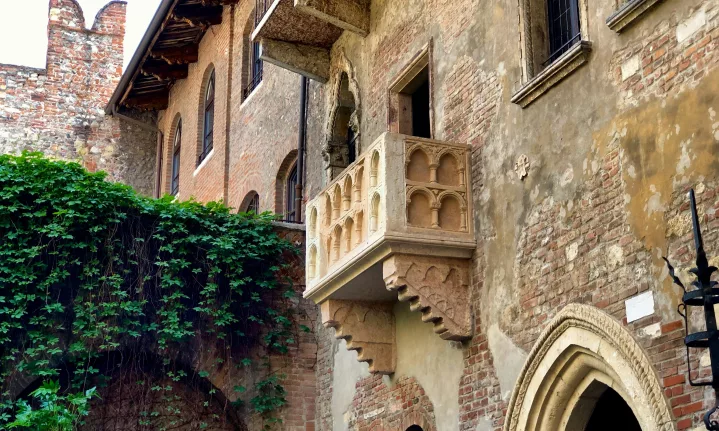
Juliet’s House remains one of Verona’s most visited attractions. It’s courtyard and balcony are closely associated with Shakespeare’s tragedy, and visitors still come to experience the setting that has become part of the city’s romantic identity.
There’s an important distinction, though: Romeo and Juliet are fictional characters, and the house’s connection to Juliet belongs to literary tradition rather than documented fact.
The attraction is worth considering if you are interested in the story, but it should be one stop among many. Verona’s Roman ruins, medieval architecture, gardens and food culture offer a much broader picture of the city.
A city with more than one story
Verona may draw visitors with the promise of romance, but it’s appeal reaches far beyond Shakespeare. Here, an ancient amphitheatre still hosts performances, medieval bridges connect historic neighbourhoods and local dishes reflect the landscape beyond the city walls.
Spend time exploring it’s squares, looking out over the Adige or sitting down to a plate of risotto, and another Verona begins to emerge. One shaped not by a fictional tragedy, but by centuries of history and a culture that continues to thrive.
Romeo and Juliet may have put Verona on the map for many travellers. But the city itself gives them plenty of reasons to stay.
Follow us on social media for more travel news, inspiration, and guides. You can also tag us to be featured.
Instagram | Facebook | Twitter | Spotify
ALSO READ:
4 reasons river cruising offers a different way to see the world