Every December, the pattern repeats itself: highways leading to the coast clog with traffic, accommodation prices skyrocket, and Instagram fills with the same sunsets from the same beaches.

Natalia Blauth / Unsplash
From Ballito to Plett, the Drakensberg to the Kruger, South Africans seem to move in unison — travelling not just for rest, but for ritual. It’s almost a national choreography: we pack, we braai, we beach. But why do we keep returning to the same places, year after year, when the map is so wide open?
The answer lies in a mix of nostalgia, familiarity, and social identity — a reflection of who we are as a nation still negotiating comfort and community in a rapidly changing world.
The pull of nostalgia and tradition
For many families, annual trips to the same destination are woven into their sense of belonging. A December without Margate, a long weekend without Clarens, or a winter break without the Drakensberg simply feels wrong. These repeat trips become memory-laden rituals and a way to preserve a sense of stability in a country that often feels unpredictable.
South Africans have a deep emotional relationship with place. The same self-catering cottage you’ve been visiting since childhood holds a lifetime of laughter, braais, and lazy afternoons. Returning each year isn’t just about convenience; it’s about reliving a familiar rhythm that reminds us of continuity, family, and home.
In a society shaped by migration, economic instability, and social transformation, the comfort of the familiar can’t be underestimated. Revisiting known spaces offers a psychological rest, a way to recharge without the uncertainty that comes with new environments.
The social media loop
There’s also the digital echo chamber: we go where everyone else goes because that’s what we see. In an age where travel content dominates Instagram and TikTok, certain places become part of a collective visual narrative — a kind of national moodboard.
Think of the Cape Town summer aesthetic: iced coffees on Kloof Street, sunsets at Clifton, and hikes up Lion’s Head. Or the midlands escape: misty mornings, farm stalls, and wine-tasting in the KZN countryside. These images circulate endlessly, setting an unspoken social standard for what a “good getaway” looks like.
Social media doesn’t just influence travel; it reinforces it. When you see your friends, colleagues, and favourite influencers frequenting the same places, you subconsciously equate those spots with success, rest, or belonging. The result? A feedback loop of repetition: we keep going back because everyone else does too.
The comfort of accessibility
There’s also a practical layer to this cultural pattern. South Africa’s infrastructure makes certain regions more accessible and better serviced than others. The Garden Route, for instance, is beautifully maintained and tourist-friendly, with safe roads, clean beaches, and countless accommodation options. Similarly, Kruger National Park has an efficient booking system and world-class facilities, making it easier to plan and predict your experience.
For many, the risk of trying something new (a lesser-known town, a remote mountain trail, or an unpublicised beach) feels too high in a country where safety, affordability, and convenience weigh heavily on travel decisions. Returning to the familiar, then, becomes a form of controlled exploration: you can relax without worrying about logistics or security.
Collective identity and “shared escape”
There’s also a cultural dimension rooted in our collective nature. South Africans tend to travel together — in family groups, friend circles, or entire neighbourhood migrations to the coast. The beach holiday, especially, isn’t a solitary retreat but a communal event. The packed cooler boxes, caravan parks, and beach umbrellas form temporary micro-communities where the nation’s social fabric weaves itself anew.
In a sense, these recurring destinations act as social equalizers. On the beach in Ballito or at a braai in Hartenbos, hierarchies blur. Everyone is in flip-flops, eating boerewors rolls, swapping stories about load-shedding and petrol prices. These shared experiences, repeated year after year, become cultural touchstones and part of what it means to be South African.
The slow shift toward new spaces
Still, there’s a quiet shift underway. As younger travellers seek “hidden gems” and value unique experiences over predictability, there’s growing interest in lesser-known towns and eco-conscious stays. Platforms like Airbnb, road trip blogs, and digital nomad culture have opened up new destinations — from the beaches of the Wild Coast to small Karoo dorps reborn as creative retreats.
Yet even this shift reflects a deeper continuity: the search for belonging, for a story that feels both familiar and fresh. Whether in Plett or Paternoster, South Africans travel not just to escape their lives, but to momentarily reclaim a version of it that feels simpler, slower, and shared.
Finding meaning in the familiar
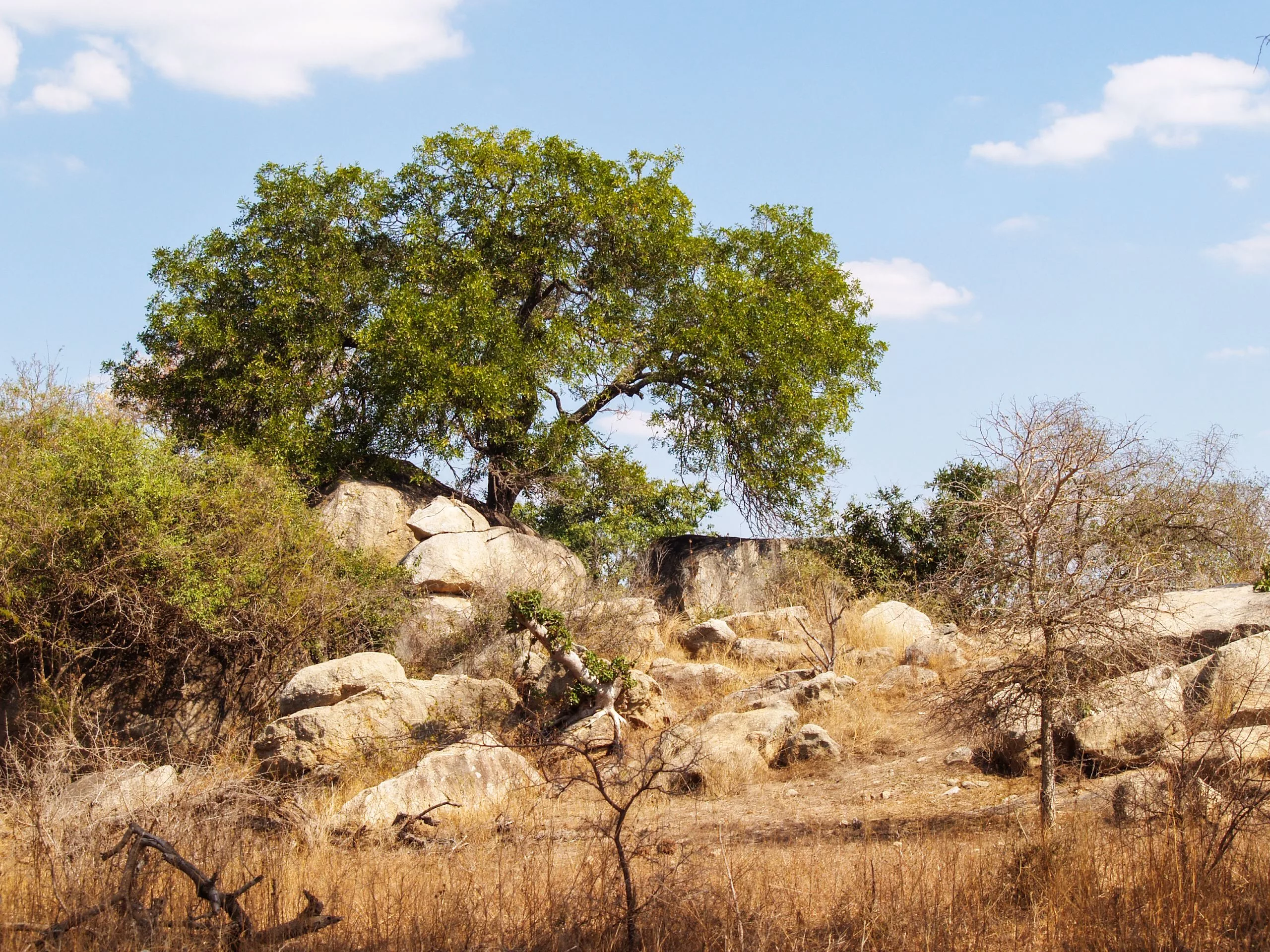
In the end, our travel habits are less about geography than about psychology. Returning to the same places again and again is our way of grounding ourselves in an uncertain world and of turning travel into tradition. The beach, the berg, the bush: they are more than destinations. They’re the stages on which we perform our shared rituals of rest, identity, and return.
Follow us on social media for more travel news, inspiration, and guides. You can also tag us to be featured.
TikTok | Instagram | Facebook | Twitter
ALSO READ: Roads less travelled: Road trips beyond our borders