

There’s something quietly poetic about a road sign.

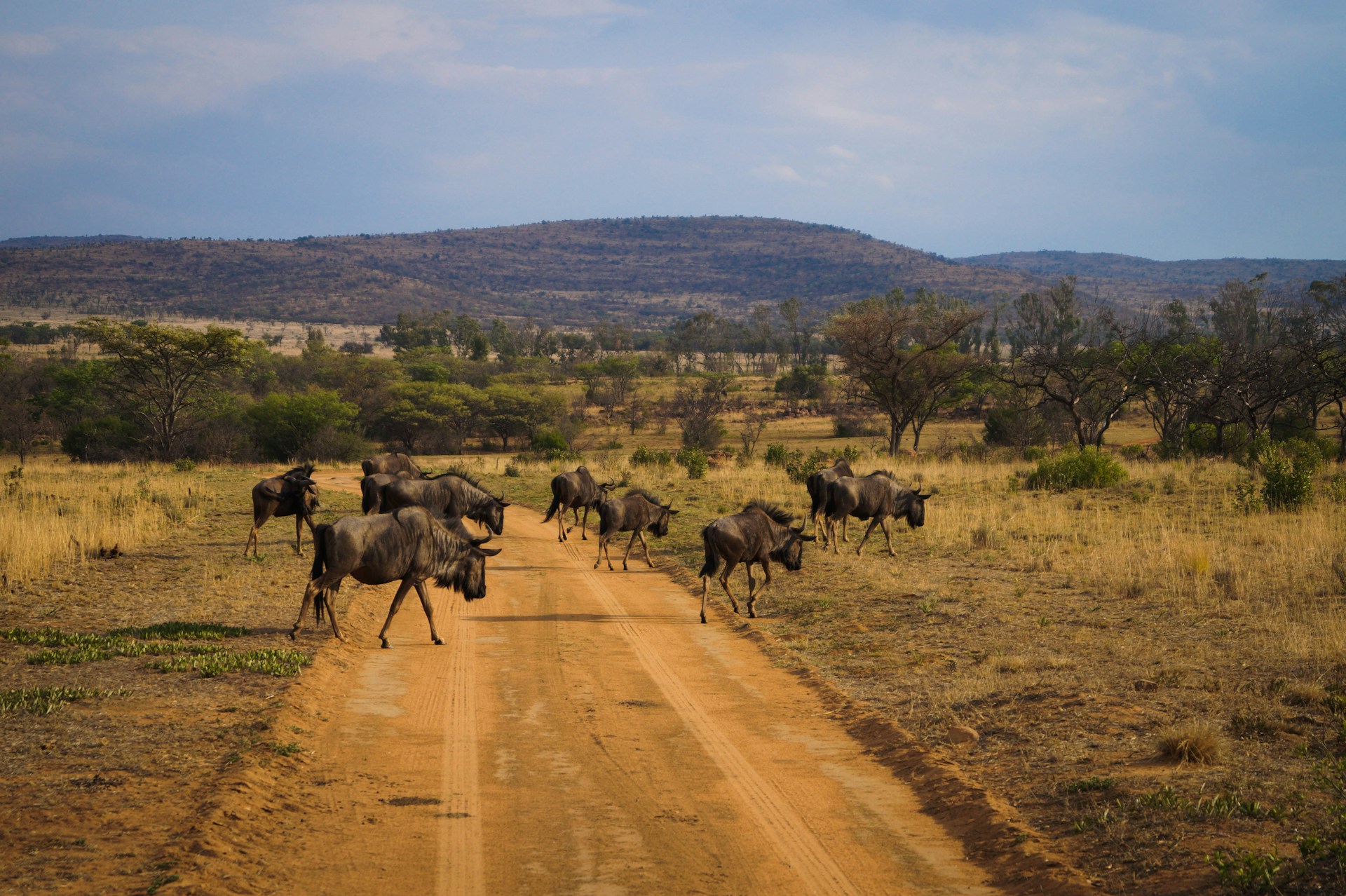
Sincerely Media / Unsplash
The name of a town is often the first thing that greets you on a journey. But in South Africa, those names do more than point the way. They tell stories of rivers and reeds, of belonging and erasure. Every town name is a clue to who named it, what they saw, and how they wanted it remembered.
The language of power
Many South African towns were named by colonisers, a form of claiming territory through language.
Pretoria, for example, was named after Voortrekker leader Andries Pretorius, while Port Elizabeth was named by British settlers after a governor’s wife.
But as South Africa reclaims its voice, these colonial echoes are slowly being replaced. Pretoria’s official municipal name, Tshwane, comes from a local chief or the nearby river — returning the name to indigenous roots. Port Elizabeth has become Gqeberha, after the Xhosa name for the Baakens River that winds through the city.
Each change is more than symbolic. It’s an act of remembering what was forgotten and restoring dignity to languages and stories erased by colonisation.
The land speaks too
Not all names were written in the ink of empire. Many indigenous names reveal how people once listened to the land, the sound of water, the movement of animals, the poetry of survival.
Take Matatiele, whose name comes from Sotho and Phuthi roots meaning “the ducks have flown.” It recalls wetlands that once teemed with birds before they dried up, a natural history captured in a single word.
Or Amanzimtoti, meaning “sweet waters” in isiZulu, a name said to have come from King Shaka’s praise after drinking from a local river. The name turns landscape into legend, transforming geography into storytelling.
Across the country, names like Umzinto (“place of accomplishment”) or Mashishing (“long green grass”) hold fragments of ecological and cultural memory. They remind us that before maps were drawn and borders drawn up, the land already had names passed down through generations.
The stories beneath our feet
Every name on the map carries a story, sometimes of pain, sometimes of pride. They trace where people have walked, fought, farmed, prayed, and built new lives. To drive through South Africa is to travel through centuries of naming and renaming, through languages layered like sediment over stone.
Town names reveal who once had the power to name, and who now has the power to rename. They remind us that belonging is not fixed; it’s something rewritten with every generation that calls this land home.
So next time you pass a weathered sign on a dusty road — pause for a moment. The name you see isn’t just a direction, it’s a story told by the land itself.
Follow us on social media for more travel news, inspiration, and guides. You can also tag us to be featured.
TikTok | Instagram | Facebook | Twitter
ALSO READ: The folklore behind South Africa’s most enigmatic places