



Namibia has sent more than 500 soldiers and helicopters to help contain massive wildfires sweeping through Etosha National Park, one of Africa’s largest and most biodiverse reserves.

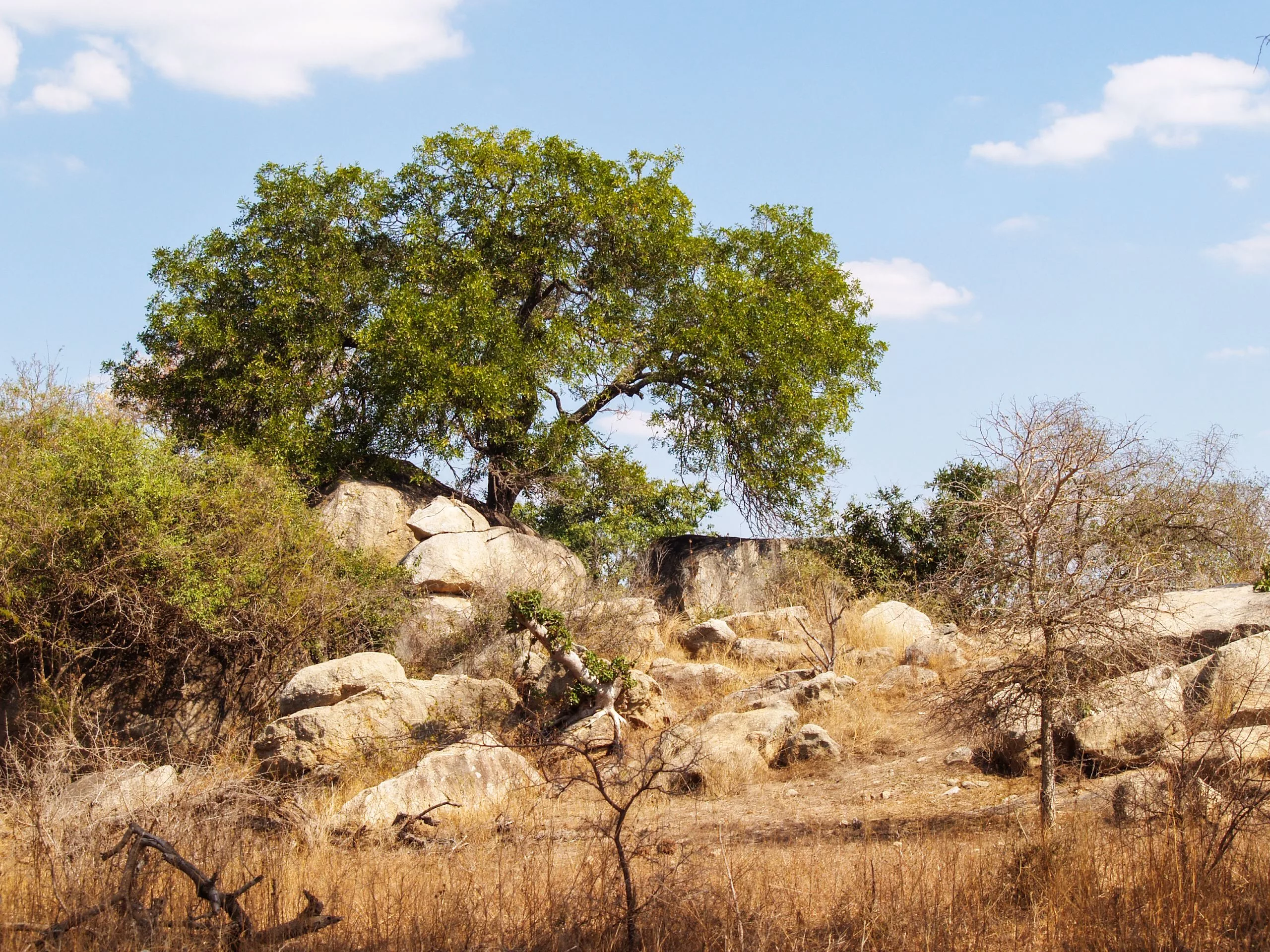
Etosha National Park/Chris Stenger/Unsplash
The fires broke out on 22 September in the park’s southwest, the Ministry of Environment, Forestry, and Tourism confirmed. By Saturday, an estimated 775,163 hectares – about a third of Etosha’s land – had been scorched. Another 171,098 hectares outside the park have also been affected.
“The ecological damage inside ENP is extensive,” the ministry said, blaming the fires on suspected charcoal production on farms bordering the reserve, as reported by CNN World.
Acting President Lucia Witbooi’s office said on Sunday that 540 soldiers had joined firefighting efforts, warning that the blaze “poses a significant threat to biodiversity, wildlife and the livelihoods of surrounding communities.” While no human casualties have been reported, the number of animal deaths remains unknown.
Strong winds and dry vegetation have fueled the spread of the fire, but Prime Minister Elijah Ngurare Manongo announced on Monday that all fronts inside and outside the park were now contained. “When there is teamwork, there is no challenge we cannot overcome,” he said.
Update by the Honorable Minister of MEFT as per Mop-up Morning of 29 Sep 2025: Joined Briefing at NDF Tactical Comand Okaukuejo MEFT / NDF
Active Fires Reported inside Etosha:
Halali
Eindpaal
Okondeka-Mbari-Ekuma Corridor with ENP
Omburu
Ohaiha-DorslandAll fires contained /…
— Elijah Ngurare Manongo (@ngurare) September 29, 2025
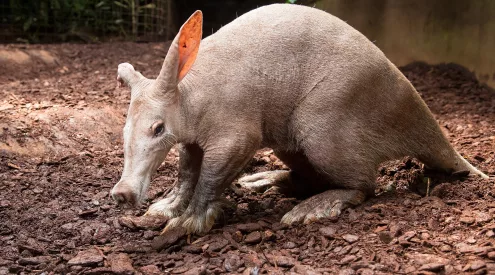
Etosha National Park, which draws around 200,000 visitors annually, is home to elephants, lions, giraffes, critically endangered black rhinos, and more than 300 bird species. Its vast salt pan, spanning 4,730 square kilometres, is even visible from space.
Scientists note that while natural lightning-induced fires once occurred roughly once a decade, aggressive suppression altered the park’s fire regime. In recent years, officials have adopted preventative burning practices to protect against catastrophic wildfires like those of 2011, when blazes killed dozens of animals and burned 370,000 hectares.
Follow us on social media for more travel news, inspiration, and guides. You can also tag us to be featured.
TikTok | Instagram | Facebook | Twitter
ALSO READ: Injured runner rescued during Table Mountain Challenge