


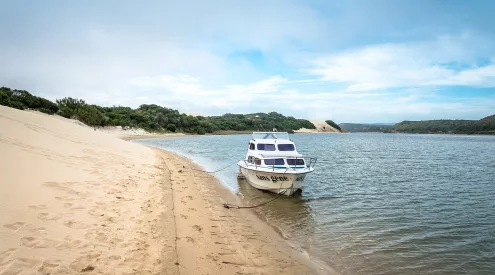

South Africa is home to some of the most diverse landscapes on the continent and its forests are among the most enchanting.

flowcomm/Wikimedia Commons
These wooded regions provide cooler conditions during summer, improved biodiversity viewing and access to well maintained walking trails. They also give travellers a quieter alternative to coastal destinations during peak holiday seasons. Each forested region features its own ecological character, accommodation style and recreational focus. Together they form a network of accessible escapes suitable for weekend breaks or longer stays.
Garden Route National Park
The Knysna Forest represents one of the most significant indigenous forest systems in the country. It forms part of the Garden Route National Park and is known for its ancient yellowwood trees, shaded pathways and rich plant life. The region allows visitors to engage with forest ecology through several established routes such as the Homtini Trail and the Jubilee Creek Walk. Travellers can learn about the area’s cultural history, including the stories of early woodcutters and the conservation work that protects the remaining forest. Accommodation includes forest lodges, eco cottages and simple cabins at sites that prioritise quiet surroundings and minimal environmental impact.
Tsitsikamma
Tsitsikamma contains dense woodland that stretches between dramatic river gorges and coastal cliffs. It is widely recognised for its adventure offerings and structured eco tourism activities. Travellers can participate in canopy tours that provide aerial views of the forest while trained guides explain the ecology of the region. The national park also offers several walking routes that highlight ferns, streams and mature trees. The Otter Trail begins in this area and remains one of the most respected long distance routes in South Africa. Tsitsikamma’s accommodation includes forest chalets, eco lodges and campsites situated within the national park, making it easy for travellers to combine relaxation with guided experiences.
Magoebaskloof
Magoebaskloof is characterised by high altitude mist belt conditions that support lush vegetation throughout the year. This region contains the Woodbush Forest which is regarded as one of the country’s largest remaining indigenous forests. It is an important habitat for bird species such as the Cape parrot and the Narina trogon which makes it a priority destination for birdwatchers. Visitors can follow mapped trails, explore waterfalls and enjoy scenic viewpoints across the surrounding valleys. Accommodation options include farm stays, forest cabins and nature focused guesthouses that cater to guests who prefer cooler climates and immersive natural settings.
Hogsback
Hogsback is known for its quiet atmosphere, creative community and extensive woodland. The region features a mix of indigenous forest and exotic plantings that provide year round greenery. You can visit the Arboretum which contains a range of international tree species or explore routes that lead to the Madonna and Child Waterfall, the Kettlespout Waterfall and various forest pools. Hogsback’s accommodation includes glass fronted cabins, small lodges and self catering cottages positioned to maximise views of the forest canopy. It remains a suitable destination for travellers who want to combine light outdoor activity with slower paced holidays.
Karkloof Nature Reserve
The Karkloof region sits within the KwaZulu Natal Midlands and contains a blend of natural forest, grassland and plantation areas. The reserve protects sensitive ecosystems and serves as a quiet area for hiking, birding and guided environmental education. The Karkloof Canopy Tour introduces travellers to the forest from an elevated perspective and includes educational commentary on local species and conservation practices. Accommodation in the region focuses on nature based hospitality with lodges and cottages that overlook forest slopes and streams. Many establishments offer wellness facilities that complement the peaceful environment.
Mpumalanga
Mpumalanga contains significant forest coverage along the escarpment, particularly near Sabie and Graskop. These areas are known for accessible waterfall routes, shaded picnic sites and extensive mountain biking networks. Travellers can visit Sudwala Caves, the Graskop Gorge Lift Company or the surrounding nature reserves. Accommodation includes timber cabins, boutique retreats and family friendly lodges designed to provide easy access to the forest and its recreation sites.
Follow us on social media for more travel news, inspiration, and guides. You can also tag us to be featured.
TikTok | Instagram | Facebook | Twitter
ALSO READ: From kayaks to cable cars: 5 wild ways to see the Cape




.jpg)