

A sweeping green energy plan in Namibia is drawing global attention, reports BBC. But while the country positions itself as a future powerhouse in green hydrogen, conservationists are warning that the project could come at a cost to one of southern Africa’s most vulnerable coastal ecosystems.
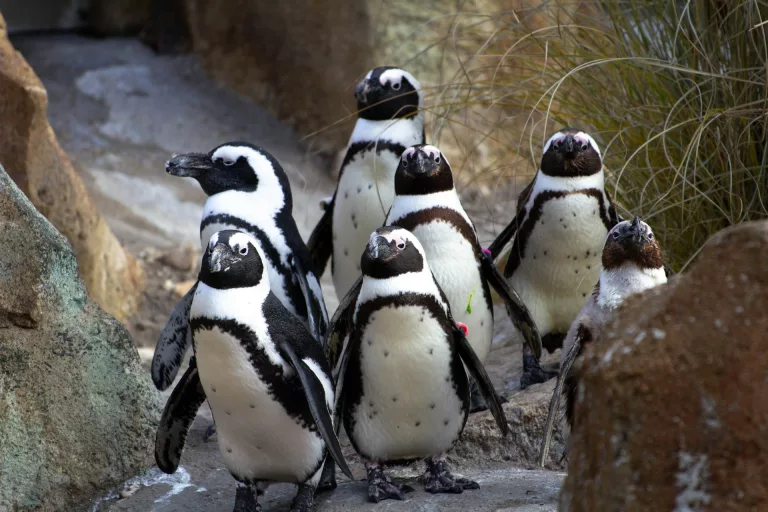
African Penguins/Jen Dries/Unsplash
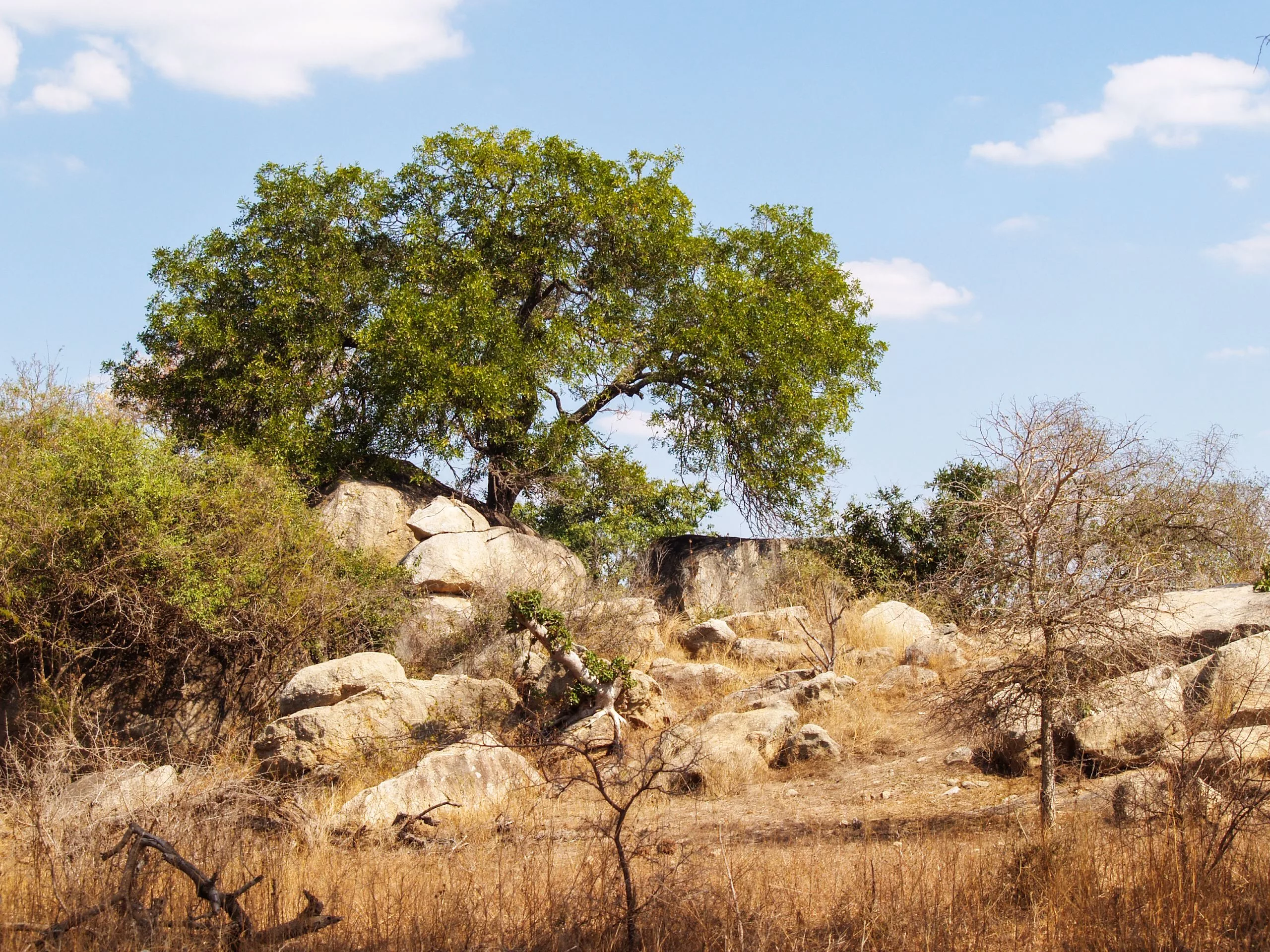
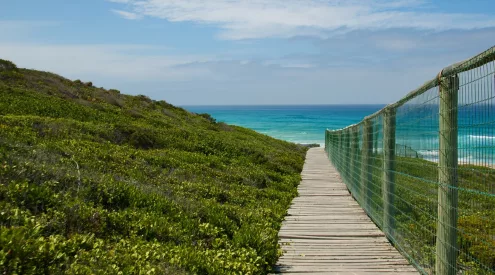
At the centre of the debate is a proposed large-scale green hydrogen development near the Tsau //Khaeb National Park, a remote and ecologically sensitive stretch of desert and coastline. The project is intended to produce hydrogen using renewable energy, largely for export to markets such as Europe, where demand for cleaner fuels is rising.
On paper, it is a climate win. In practice, it may be more complicated.
Environmental groups have raised concerns that the infrastructure required – including desalination plants, pipelines and transport facilities – could disrupt fragile habitats. Of particular concern is the potential impact on the African penguin, a species already under severe pressure.
Found along the coasts of South Africa and Namibia, African penguins are classified as critically endangered, with populations declining due to overfishing, habitat loss and climate change.
The proposed development area lies close to key breeding and feeding zones. Conservationists argue that increased industrial activity, noise and shipping traffic could further strain already vulnerable colonies. There are also fears that desalination processes and water extraction could alter marine conditions in ways that affect food availability.
Proponents of the project, however, see it as a vital step in the global energy transition. Namibia has some of the world’s best solar and wind resources, making it an attractive location for renewable energy investment. Officials say the project could boost the economy, create jobs and position the country as a leader in green hydrogen production.
It is a delicate balance.
The challenge now is whether Namibia can pursue its clean energy ambitions without compromising the biodiversity that makes its coastline so unique. For travellers and conservationists alike, the outcome will shape not just the region’s environmental future, but also the sustainability of one of southern Africa’s most distinctive natural landscapes.
Source: BBC
Follow us on social media for more travel news, inspiration, and guides. You can also tag us to be featured.
TikTok | Instagram | Facebook | Twitter
ALSO READ:
Ethiopia celebrates 60 years of wildlife protection as ecotourism surges