



If you have noticed flight prices creeping up lately, you are not imagining it. Behind the scenes, something far bigger is unfolding, and it is happening thousands of kilometres away.
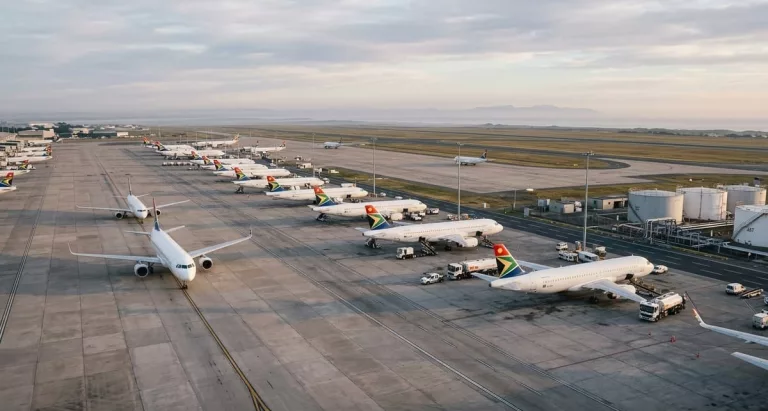
Source: The Traveler
According to Travel And Tour World, South Africa’s aviation sector is feeling the heat from rising global tensions in the Middle East, and the ripple effect is landing squarely in travellers’ wallets.
A global conflict hitting close to home
It may seem distant, but instability in oil-producing regions has a direct impact on everyday travel in South Africa. When tensions rise in the Middle East, oil prices tend to climb almost immediately.
For a country like ours that depends heavily on imported refined fuel, those increases are felt quickly and sharply. What starts as geopolitical uncertainty ends up influencing the price of a seat from Joburg to Cape Town.
It is one of those uncomfortable reminders that local travel is tied to global politics in ways most of us rarely think about.
The hidden cost behind your plane ticket
Jet fuel is not just another expense for airlines. It is one of the biggest. Industry estimates place it at roughly 30% to 40% of total operating costs.
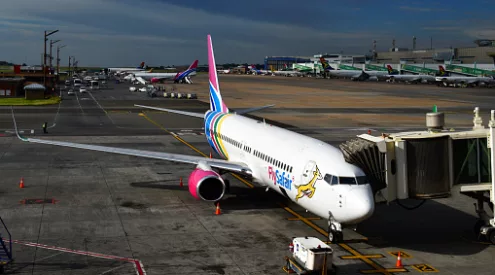
So when fuel prices jump significantly, airlines do not have much room to absorb the blow. Carriers like FlySafair, Airlink, and South African Airways are already under pressure, balancing tight margins while trying to keep flights accessible.
Even with strategies like fuel hedging and improved efficiency, there is only so much they can do. Eventually, part of that cost filters through to passengers.
The end of cheap flights?
For many South Africans, low-cost domestic flights have made quick getaways and family visits more accessible over the past decade. But that era may be entering a more uncertain phase.
Fuel surcharges are being adjusted more frequently, and ticket prices are beginning to reflect the volatility of global oil markets. Travellers are starting to notice, and conversations online suggest a growing frustration around rising costs.
Some are already rethinking travel plans, opting for road trips or postponing holidays altogether. Others are booking earlier, trying to lock in prices before they climb again.
Tourism feels the pressure
This shift does not only affect airlines. It touches the entire tourism ecosystem.
From boutique guesthouses in the Karoo to beachfront stays in Durban, higher travel costs can mean fewer visitors. When flights become expensive, spontaneous trips become rarer, and that has a knock-on effect across hospitality, transport, and entertainment sectors.
In a country where tourism plays a key role in job creation and economic growth, even small changes in travel behaviour can have wide-reaching consequences.
What happens next depends on global stability
Much now hinges on how events unfold in the Middle East. If tensions escalate further, especially around critical oil transit routes, prices could climb even higher.
On the other hand, any signs of de-escalation could bring relief to global markets and, eventually, to local travellers.
For now, the aviation industry is watching closely, adjusting where it can, and investing in longer-term solutions like more fuel-efficient aircraft and alternative fuels. But those fixes take time.
A new travel mindset for South Africans
For travellers, this moment may mark a subtle shift in how trips are planned. Flexibility, early booking, and budgeting for higher fares are becoming part of the equation.
It is not necessarily the end of flying, but it is a reminder that the true cost of travel is shaped by forces far beyond the airport runway.
And for now, those forces are firmly in motion.
Source: Travel And Tour World
Follow us on social media for more travel news, inspiration, and guides. You can also tag us to be featured.
TikTok | Instagram | Facebook
ALSO READ:
Why travellers are missing most of South Africa by sticking to one province