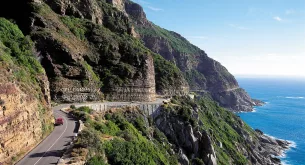


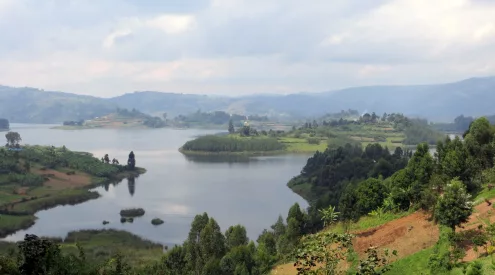
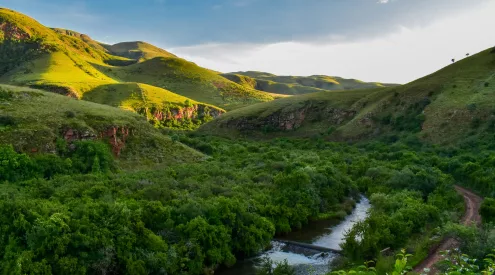
For many travellers, South Africa sits right at the top of the bucket list. It’s the kind of place that promises everything in one trip. Big Five safaris, dramatic coastlines, buzzing cities, and a cultural mix you won’t find anywhere else.
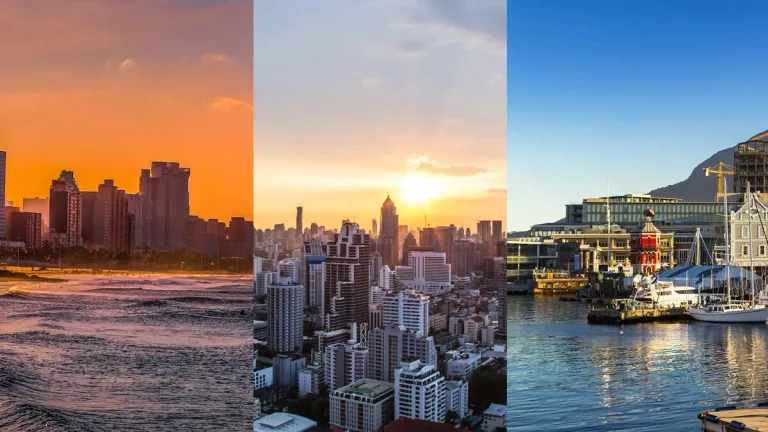
Source: BusinessTech
According to Travel And Tour World, heading into 2026, the conversation around travel here has shifted slightly. Not enough to scare people away, but enough to make preparation more important than ever.
Several governments, including those in the United States, the United Kingdom, and Australia, have updated their travel advisories, urging visitors to take extra care. It’s not a ban. It’s a reminder. South Africa is incredible, but it demands awareness.
The reality behind the headlines
If you’ve spent time in Johannesburg or Cape Town, you already know the truth locals live with daily. South Africa is both welcoming and unpredictable.
Crime remains one of the biggest concerns flagged in 2026 advisories. Incidents such as armed robbery, muggings, and carjackings are still reported, particularly in busy urban areas. Tourists, often unfamiliar with their surroundings, can become easy targets in crowded spaces or when moving around at night.
Smash-and-grab theft from vehicles is another issue that keeps coming up. It’s quick, opportunistic, and often happens at traffic lights or when cars are parked in less secure areas.
What’s interesting is how locals have responded online. There’s a mix of frustration and realism. Many South Africans point out that millions of visitors travel safely every year. Others stress that knowing how to move, where to go, and what to avoid makes all the difference.
And that’s the key. This is not about fear. It’s about awareness.
How travellers are adapting
Seasoned travellers are already adjusting how they explore the country.
Instead of walking alone at night, they stick to well-lit areas or use ride-hailing apps. Hotels are being used more strategically, not just for comfort but for security. Valuables are kept out of sight, and group travel is becoming more popular, especially in major cities.
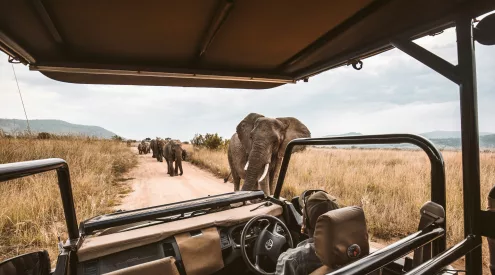
There’s also a noticeable shift towards guided experiences. From township tours to safari transfers, travellers are choosing structured options that offer both insight and safety.
Health risks you should not ignore
Beyond safety, health is another area where preparation matters.
Malaria remains a concern in certain parts of the country, particularly in regions like Limpopo, Mpumalanga, and northern KwaZulu-Natal. These are also some of the most popular safari destinations, which makes awareness even more important.
Preventative medication, insect repellent, and proper clothing are not just suggestions. They are essential for anyone heading into these areas, especially during warmer months.
Water safety is another consideration. While major cities generally have reliable infrastructure, travellers are often advised to stick to bottled or filtered water, particularly when exploring more rural areas.
Healthcare access can vary widely, too. Private hospitals in cities are world-class, but remote areas may not offer the same level of care. That’s why travel insurance with emergency evacuation cover is strongly recommended.
A quieter concern: unrest and public safety
South Africa is not a country defined by terrorism, but a low to moderate terrorism risk has been noted in advisories, particularly in busy public spaces and major cities.
More commonly, however, it’s local protests that catch visitors off guard. These can happen with little warning and occasionally turn disruptive. Roads close, public transport stalls, and areas that felt calm hours earlier can quickly become tense.
The best advice here is simple. Stay informed. Avoid large gatherings. And if something feels off, trust your instincts and move away.
Driving in South Africa is not as simple as it looks
For many visitors, renting a car feels like the best way to explore. And in many ways, it is. South Africa’s road trips are legendary.
But the risks are real. Road accident rates are among the highest globally, and factors like inconsistent road conditions, reckless driving, and poor signage can catch tourists off guard.
Night driving, in particular, is widely discouraged. Visibility drops, hazards increase, and the chances of encountering both accidents and crime-related incidents rise significantly.
Simple habits go a long way here. Wear your seatbelt. Stick to speed limits. Avoid driving after drinking. And if you’re unsure about a route, rather ask than risk it.
So, should you still visit?
Absolutely.
What these advisories really say is not “don’t come,” but rather “come prepared.”
South Africa’s magic has not changed. The wildlife is still breathtaking. The landscapes are still unforgettable. The people are still warm, resilient, and proud of what this country offers.
What has changed is the level of awareness expected from visitors.
If you plan smartly, stay alert, and respect local advice, South Africa remains one of the most rewarding destinations you can experience in 2026.
It’s not about travelling in fear. It’s about travelling wisely.
Source: Travel And Tour World
Follow us on social media for more travel news, inspiration, and guides. You can also tag us to be featured.
TikTok | Instagram | Facebook
ALSO READ: