





Oman flight cancellations ripple across Gulf routes as Bahrain and Sharjah links face fresh disruption

Posted on 17 April 2026 By Zaghrah Anthony
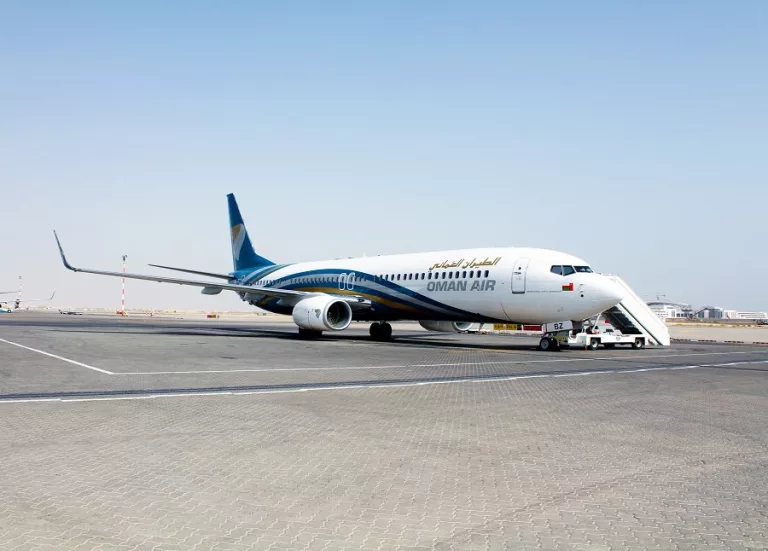
Travel plans unravel across Oman’s key airports

For many travellers moving through Oman, what should have been a straightforward hop to Bahrain or Sharjah has turned into a game of uncertainty.

Sourced: X{@OmanObserver}

According to The Traveler, a new wave of cancellations affecting Gulf Air and Air Arabia has disrupted flights from Muscat and Salalah, stranding passengers and adding pressure to already strained Gulf air corridors.

Routes that normally feel routine, short regional connections linking Oman with Bahrain and the UAE, are now among the most unpredictable in the region.

Flights removed with little warning

Several scheduled services have recently disappeared from operating timetables, including Gulf Air flights GFA567 and GFA565, along with Air Arabia service ABY393, which typically connects Oman with Sharjah.

For travellers, the frustration is not just cancellation itself, but the timing. Many passengers only learn of changes hours before departure, often after arriving at the airport or while already in transit.

Airport data still lists both airlines as operating in Oman, but the reality on the ground has become far less stable, with flights being retimed, consolidated, or cancelled entirely.

Muscat and Salalah passengers caught off guard

At Muscat International Airport, reports describe scenes of confusion as passengers bound for Bahrain or Sharjah discover their flights have been removed from the schedule.

Some travellers have even been advised not to head to the airport unless they receive confirmed departure updates — a rare instruction that highlights how volatile operations have become.

In southern Oman, Salalah Airport is facing similar disruption, with limited regional options making cancellations even more disruptive for stranded passengers.

For many, what was once marketed as Oman’s advantage — its role as a calmer, less congested Gulf transit point — is now being tested by the same instability affecting larger regional hubs.

A regional aviation system under pressure

These disruptions are not isolated incidents. Since late February, Gulf aviation has been repeatedly shaken by regional tensions and intermittent airspace restrictions tied to broader security developments across the Middle East.

Although Oman’s airspace remains open, airlines operating through Bahrain and the UAE have been forced to constantly adjust schedules based on conditions beyond Oman’s control.

That means even short-haul flights — usually the most stable part of any network — are now exposed to last-minute changes.

Stranded passengers and last-minute scramble

On travel forums and social media, passengers describe missed connections, overnight hotel stays, and sudden rebooking costs after flights like GFA567, GFA565, and ABY393 were cancelled.

Some travellers have opted to reroute through alternative carriers, even if it means longer journeys or backtracking through other Gulf hubs.

Corporate travel managers have also warned businesses to avoid tight connection windows, especially when routing through Oman into Bahrain or Sharjah.

The wider Gulf disruption behind the chaos

A major driver of the instability is ongoing regional tension linked to the Iran conflict and shifting airspace restrictions.

Airlines across the Gulf have had to suspend routes, extend flight paths, or cancel services at short notice depending on security assessments.

Industry tracking suggests that both Gulf Air and Air Arabia are among the carriers most affected by this wave of disruption, with cancellations hitting a significant portion of scheduled services on certain days.

What passengers are being told to do

Airlines and travel advisors are urging passengers to stay alert and actively monitor bookings rather than relying on fixed timetables.

Travellers on Oman-related Gulf Air and Air Arabia routes are being encouraged to:

  • Check booking status frequently before travel
  • Avoid same-day land or long domestic transfers unless necessary
  • Use official airline apps and notifications for updates
  • Consider flexible tickets or rebooking options where available

Some airlines have introduced temporary flexibility policies, allowing passengers affected by cancellations to rebook or request credits without penalty.

Outlook: instability likely to continue

Aviation analysts expect Oman’s short-haul Gulf connections to remain unpredictable at least through the coming weeks, particularly routes to Bahrain and Sharjah.

While airlines are slowly restoring parts of their networks, they are prioritising longer-haul and higher-demand routes that can better absorb operational constraints.

For smaller, high-frequency routes like Muscat–Bahrain or Salalah–Sharjah, that leaves a fragile schedule that can shift at short notice.

A fragile normal for Gulf travellers

For now, Oman’s aviation network sits in a difficult in-between space — fully operational, but constantly reshaped by external pressures.

And for passengers trying to move between Muscat, Salalah, Bahrain, and Sharjah, the reality is simple: even a short regional flight is no longer guaranteed to stay on schedule.

Source: The Traveler

Follow us on social media for more travel news, inspiration, and guides. You can also tag us to be featured.

TikTok | Instagram Facebook Twitter

ALSO READ: 


yoast-primary - 1004431
tcat - Travel news
tcat_slug - travel-news
tcat2 - Travel news
tcat2_slug - travel-news
tcat_final -