






When a routine journey turns into an overnight airport stay
For many Nigerian travellers, what should have been a standard journey between Europe and home turned into a long, exhausting wait inside German airports.
Sourced: X{@visegrad24}
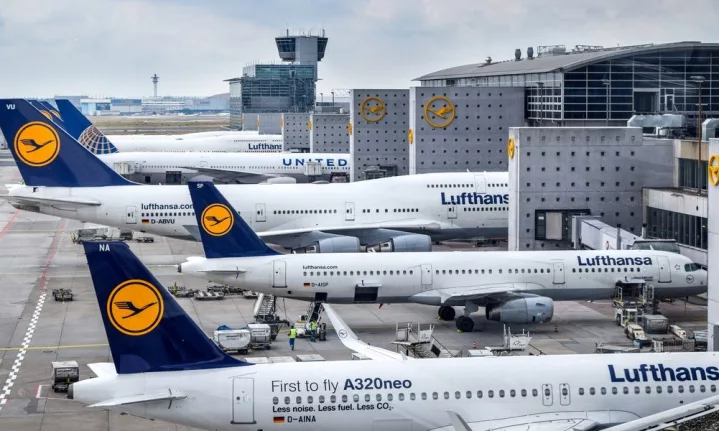
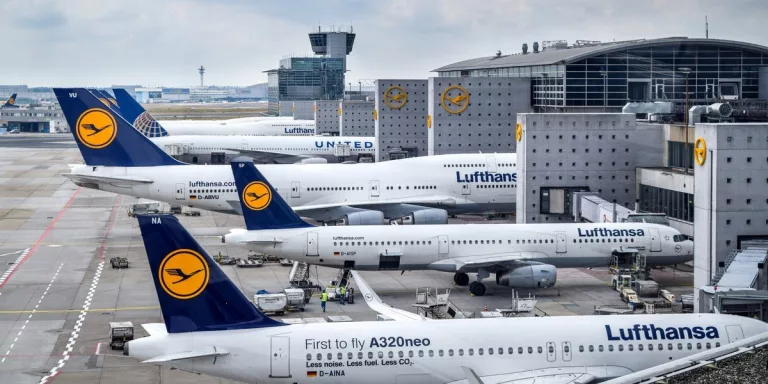
A two-day strike at Lufthansa has triggered widespread cancellations across its network, leaving hundreds of passengers stranded at Frankfurt Airport and Munich Airport—many of them with no choice but to sleep inside terminals.
Flights between Germany and Nigeria, particularly to Lagos and Abuja, were among the hardest hit as operations slowed to a near standstill.
For travellers trying to reach home, attend family events, or return for work and studies, the disruption quickly became more than an inconvenience—it became a waiting game with no clear end.
Nigeria routes caught in the heart of the disruption
Frankfurt and Munich are not just European airports for Nigerian travellers—they are critical connection hubs linking West Africa to the rest of the world.
When strike action grounded a large portion of Lufthansa’s schedule, flights between Germany and Nigeria were heavily reduced or cancelled outright.
Routes serving Lagos and Abuja were especially affected, with both departing and inbound services disrupted.
The ripple effect didn’t stop there. Travellers connecting through cities like London, Paris, and Amsterdam found their onward Lufthansa segments suddenly removed or rescheduled, leaving entire itineraries in limbo.
For many passengers, the journey didn’t fail in one place—it unraveled step by step across multiple airports.
Scenes inside German airports: waiting, confusion, and exhaustion
As cancellations stacked up, terminal halls in Frankfurt and Munich became temporary shelters.
Nigerian media reports and passenger accounts describe crowded waiting areas, long queues at service desks, and fully booked hotels near the airports.
With limited options available, many travellers resorted to improvising rest areas inside the terminals—using luggage, blankets, and benches as makeshift sleeping spaces.
Social media posts shared by stranded passengers showed families trying to rest on the floor, students waiting for updates on return flights, and business travellers stuck mid-journey with no confirmed reschedule.
The emotional strain was visible: frustration over missed events, confusion over airline communication, and exhaustion after hours of uncertainty.
Communication breakdown adds to passenger frustration
One of the most repeated complaints from travellers was not just the cancellations, but how they found out about them.
Some passengers reportedly received notifications only after arriving at the airport. Others first heard about the strike through announcements at terminals rather than direct updates from the airline.
That delay left many scrambling for alternatives at the worst possible moment, when options were already limited.
Even when hotel vouchers or meal assistance were offered, long queues meant extended waits before passengers could access support.
For those travelling on separate tickets or tight itineraries, assistance was even harder to secure.
A labour dispute at the centre of the chaos
The disruption stems from an ongoing industrial dispute between Lufthansa management and its unionised flight crews.
The disagreement centres on pay conditions, working hours, and inflation-related salary adjustments. Crew members argue that rising living costs justify higher compensation, while the airline points to financial pressure from fuel costs and broader economic uncertainty.
The strike is part of a wider pattern of labour unrest affecting European transport systems in recent years, particularly at major aviation hubs.
Because Lufthansa operates a hub-and-spoke model, disruptions at Frankfurt and Munich quickly spread across its entire global network—including long-haul routes to West Africa.
That structure means a strike in Germany doesn’t stay local. It travels.
Financial and emotional toll on Nigerian travellers
Beyond the airport disruption, the impact is being felt in wallets and personal plans.
Many Nigerian passengers missed business meetings, weddings, and family commitments due to cancelled flights. Others incurred unexpected expenses for hotels, meals, and rebooked tickets.
Some travellers were forced to accept significantly higher fares when rebooking at short notice, while others abandoned their journeys entirely until schedules stabilised.
Although European passenger rights regulations generally provide compensation or assistance for cancelled flights, accessing those entitlements during peak disruption proved difficult for many stranded travellers.
Long queues and overwhelmed service desks meant delays in receiving even basic support.
The hidden complexity of long-haul travel disruptions
What makes this situation especially challenging for Nigerian travellers is how interconnected their routes are.
A single cancellation in Germany can break multiple layers of a journey:
- Nigeria to Europe
- Europe to North America or Asia
- Domestic connections after arrival
Once one segment fails, the entire trip often collapses or must be rebuilt from scratch.
For passengers travelling between West Africa and Europe, there are often few direct alternatives, making hubs like Frankfurt and Munich essential—but also vulnerable.
What travellers can learn from this disruption
While the strike is temporary, it highlights how quickly international travel can unravel when major hubs are affected.
Travel experts suggest that passengers flying similar routes in future consider:
- Booking on a single ticket for full journey protection
- Monitoring airline updates closely before departure
- Keeping receipts for all disruption-related expenses
- Understanding passenger rights under EU regulations
- Allowing extra flexibility in travel plans during labour disputes
These steps cannot prevent strikes—but they can reduce the impact when schedules collapse unexpectedly.
A reminder of how fragile global travel can be
For Nigerian travellers stranded in Germany, the experience has been more than a delay—it has been a lesson in how dependent global travel is on a handful of major hubs.
A strike in one country was enough to ripple across continents, disrupt family plans, and leave passengers sleeping in airport terminals far from home.
As Lufthansa and unions continue negotiations, travellers are left hoping for a return to normal schedules—and a smoother journey the next time they fly between Nigeria and Europe.
Follow us on social media for more travel news, inspiration, and guides. You can also tag us to be featured.
TikTok | Instagram | Facebook
ALSO READ: