

Long before people crossed these valleys, built roads or established towns, wind, water, fire and shifting continents were shaping Southern Africa into one of the most geologically fascinating regions on Earth.
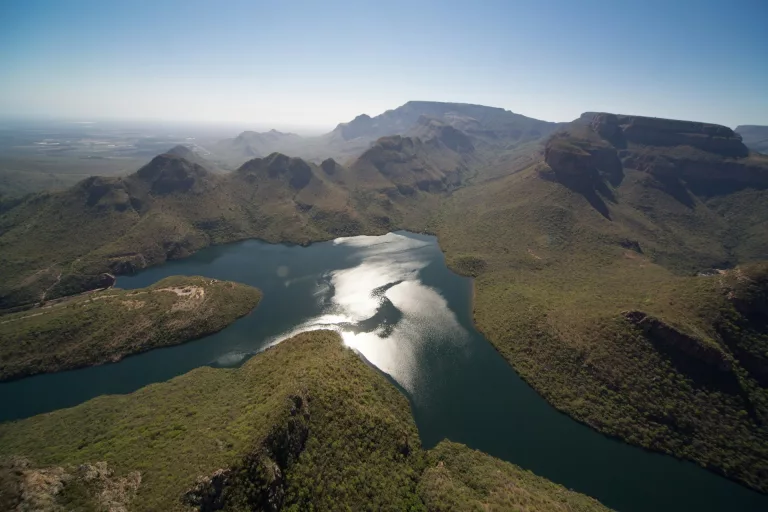
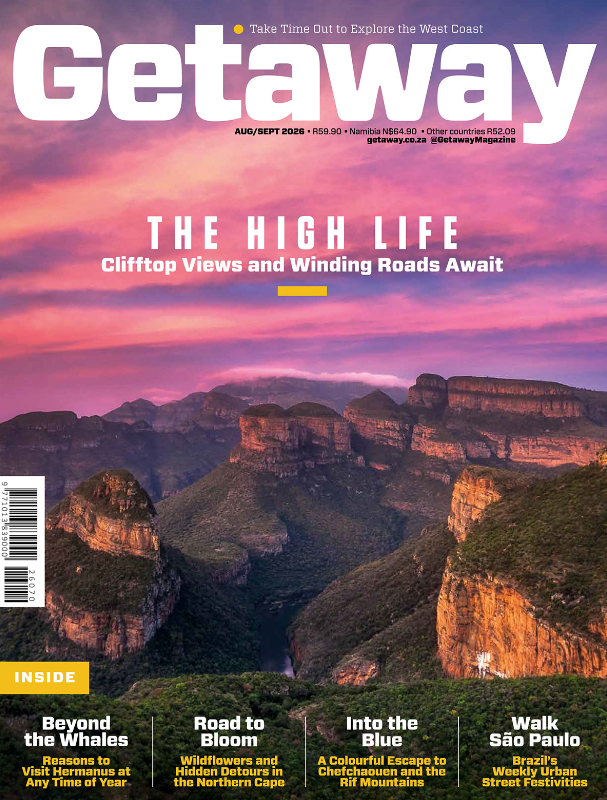
Blyde River Canyon/Kurt Cotoaga/Unsplash
Across the subcontinent, towering escarpments, ancient canyons and weathered rock formations offer more than beautiful scenery. They reveal stories that stretch back millions, and sometimes billions, of years. If you’re looking for a journey that combines adventure with natural history, these remarkable landscapes deserve a place on your travel list.
Blyde River Canyon, South Africa
One of the largest green canyons in the world, the Blyde River Canyon is a masterpiece carved over millions of years by the Blyde River as it cut through layers of ancient rock along the Drakensberg Escarpment. The canyon forms part of the Mpumalanga escarpment, where dramatic geological uplift created steep cliffs and deep valleys that continue to evolve today.
Travellers are rewarded with panoramic viewpoints such as God’s Window, Bourke’s Luck Potholes and the iconic Three Rondavels. Hiking trails weave through indigenous forests, while boat cruises on the Blyde Dam offer a completely different perspective beneath the towering cliffs. Wildlife including hippos, crocodiles, fish eagles and numerous antelope species add another dimension to the experience. The canyon’s lush vegetation is the result of abundant rainfall, making it a striking contrast to the dry canyons found elsewhere in Southern Africa.
The Drakensberg, South Africa
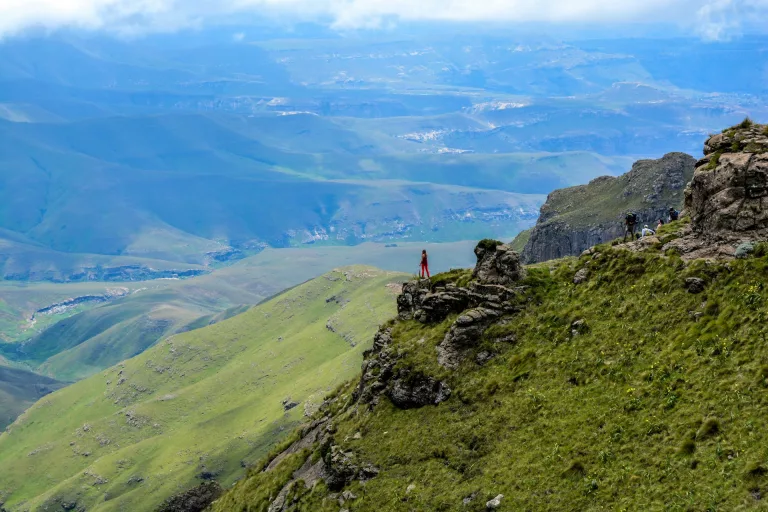
The jagged peaks of the Drakensberg are among Southern Africa’s most recognisable landscapes, but their story began around 180 million years ago during the breakup of the ancient supercontinent Gondwana. Vast volcanic eruptions spread thick layers of basalt across the region, creating the dramatic mountain skyline seen today. Beneath these lava flows lie much older sandstone formations that have been sculpted by erosion into cliffs, valleys and towering buttresses.
The Drakensberg is a paradise for hikers, climbers and photographers. Trails range from gentle walks to challenging multi day adventures leading to landmarks such as Tugela Falls, the Amphitheatre and Cathedral Peak. The mountains are also home to one of the world’s richest collections of San rock art, adding a fascinating cultural layer to an already extraordinary landscape. Whether you visit in summer when waterfalls thunder down the cliffs or in winter when snow dusts the peaks, the Drakensberg never loses its sense of grandeur.
Fish River Canyon, Namibia
Andrew Svk/Unsplash
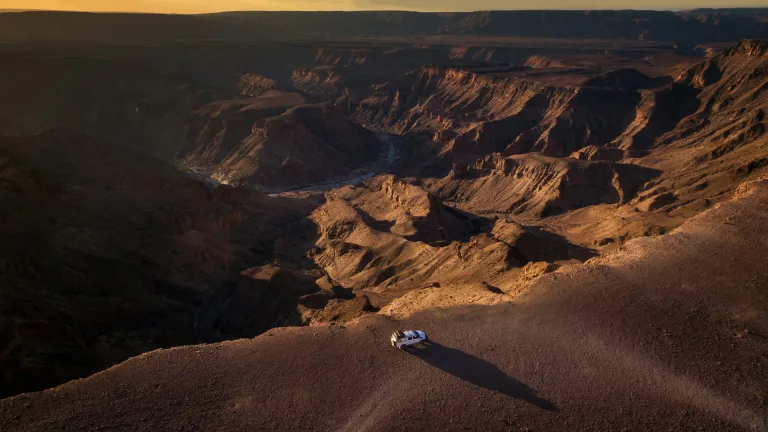
Stretching for around 160 kilometres, Fish River Canyon is Africa’s largest canyon and one of the continent’s greatest geological spectacles. The rocks exposed within the canyon are some of the oldest visible formations in Southern Africa, dating back hundreds of millions of years. Over immense periods of time, tectonic movement and relentless erosion by the Fish River carved the enormous trench that visitors see today.
Standing at the canyon’s edge is a humbling experience. Layer upon layer of exposed rock reveals Earth’s deep history in striking colours and textures. For adventurous travellers, the famous Fish River Canyon Hiking Trail is one of Southern Africa’s most demanding multi day hikes. Those looking for a more relaxed visit can enjoy spectacular sunrise and sunset viewpoints, photography opportunities and nearby hot springs at Ai-Ais.
Vingerklip, Namibia
Colin Watts/Unsplash
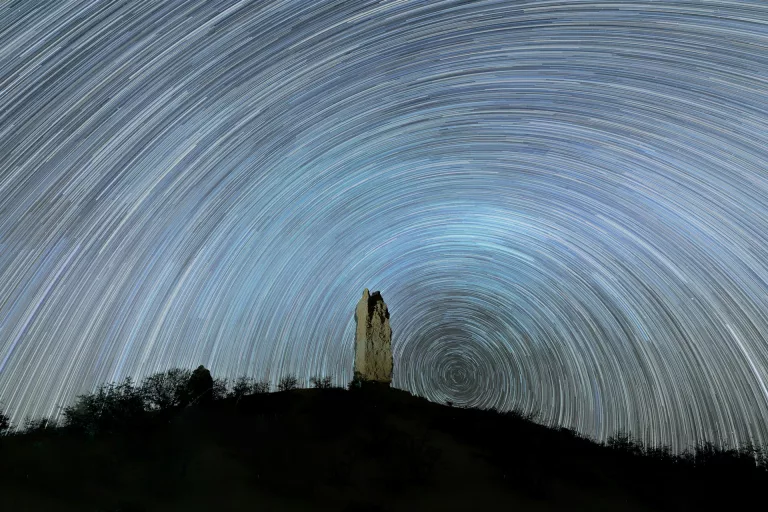
Rising dramatically above the Ugab Valley, Vingerklip, or Finger Rock, stands as one of Namibia’s most unusual natural landmarks. This towering sandstone pillar is what remains after millions of years of erosion gradually removed the softer surrounding rock. The isolated formation serves as a reminder that landscapes are constantly changing, even if those changes happen far too slowly for us to notice.
Visitors can climb to viewpoints overlooking the surrounding valley, where broad plains are dotted with mesas and rocky outcrops. The area feels wonderfully remote, making it an ideal stop on a northern Namibia road trip. Sunrise and sunset transform the sandstone into shades of orange and gold, creating unforgettable photographic opportunities.
Brandberg, Namibia
Rico Meier/Unsplash
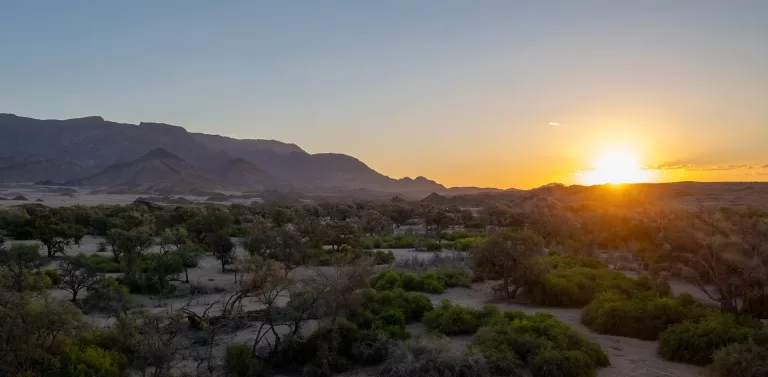
Brandberg is Namibia’s highest mountain, rising above the surrounding Namib Desert like a giant granite island. Formed roughly 130 million years ago through volcanic activity beneath the Earth’s surface, the mountain has since been exposed by millions of years of erosion. Today, its smooth granite domes and rugged valleys create one of the country’s most distinctive landscapes.
Brandberg is perhaps best known for the famous White Lady rock painting, although the mountain contains thousands of examples of ancient rock art created by the San people. Hiking through Brandberg feels like walking through an open air geological museum. Massive boulders, polished granite slopes and dramatic desert scenery reveal the incredible forces that shaped the region over millions of years. Wildlife including desert adapted elephants occasionally move through nearby river systems, adding further appeal for nature lovers.
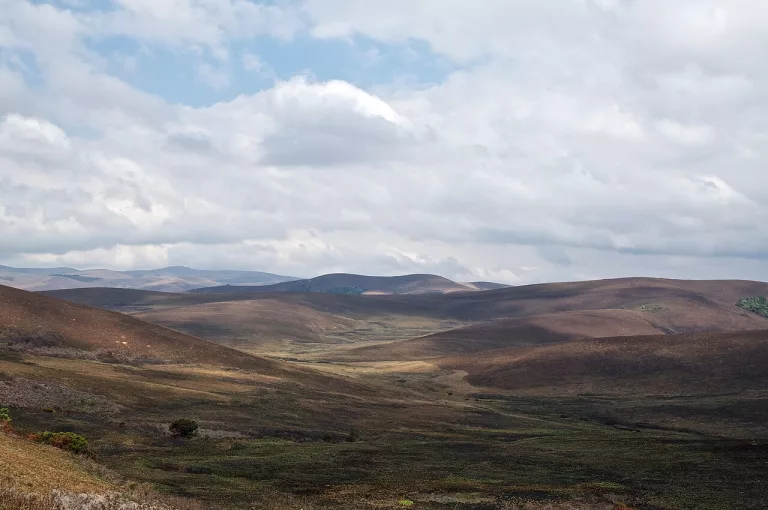
Nyika Plateau, Malawi
Ludger Heide/Wikimedia Commons
High above the surrounding lowlands, Nyika Plateau offers a landscape unlike almost anywhere else in Southern Africa. Rather than dramatic cliffs or deep canyons, Nyika is defined by rolling grasslands, scattered forests and sweeping views that stretch to the horizon. The plateau formed through ancient uplift and erosion, creating an elevated landscape that sits more than 2,000 metres above sea level.
Its cool climate supports a remarkable diversity of wildflowers, orchids and grassland ecosystems. During the rainy season, the plateau bursts into colour, while herds of zebra, eland and roan antelope graze across the open plains. For travellers, Nyika offers scenic drives, mountain biking, hiking and exceptional birdwatching. Mist drifting across the hills creates an atmosphere that feels worlds away from the hotter landscapes found elsewhere in the region.
Every landscape has a story
Southern Africa’s spectacular scenery is more than just beautiful. Every canyon, mountain and rock formation is the result of geological processes that unfolded over unimaginable spans of time.
Travelling through these ancient landscapes offers a rare chance to witness Earth’s history written in stone. From volcanic peaks and towering escarpments to isolated sandstone pillars and vast grassland plateaus, these destinations remind us that the greatest storyteller of all is the planet itself.
Follow us on social media for more travel news, inspiration, and guides. You can also tag us to be featured.
Instagram | Facebook | Twitter | Spotify
ALSO READ:
Beyond the resort: North West adventures worth the road trip