


As England, Spain, France and Argentina battle it out for football’s biggest prize, another competition quietly links these four nations.
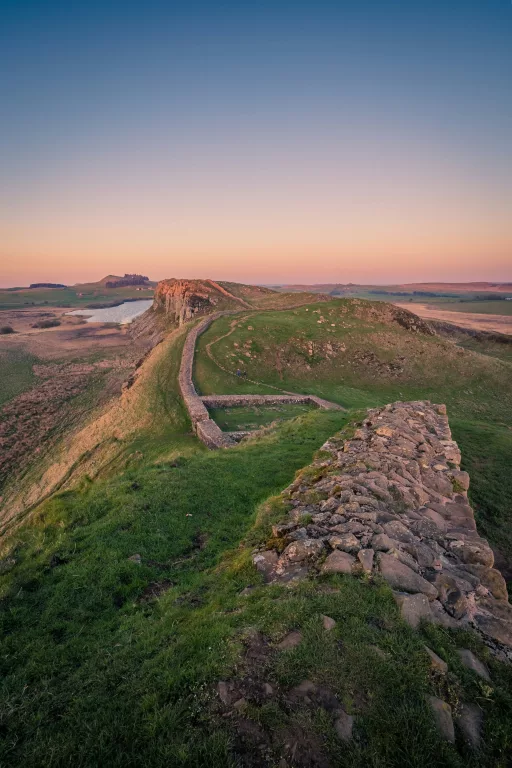
Hadrian’s Wall/Jonny Gios/Unsplash
Each is home to UNESCO World Heritage Sites that preserve centuries of history, remarkable architecture and spectacular natural landscapes. Whether you are planning a future holiday or simply dreaming about your next adventure, these UNESCO treasures deserve a place on your travel wish list.
England’s ancient frontier: Hadrian’s Wall
Stretching across the rugged countryside of northern England, Hadrian’s Wall is one of the country’s most remarkable historic landmarks. Constructed around AD 122 under the orders of Roman Emperor Hadrian, the wall marked the northwestern frontier of the Roman Empire and served as both a defensive barrier and a customs checkpoint. Although much of the original structure has disappeared over the centuries, impressive sections remain, winding through rolling hills and dramatic moorland. Walking alongside these ancient stones offers a fascinating glimpse into Roman Britain and the soldiers who once guarded the empire’s edge.
One of the best places to begin exploring is Housesteads Roman Fort, where remarkably preserved barracks, granaries and defensive walls paint a vivid picture of daily life nearly 2,000 years ago. Nearby, Vindolanda Roman Fort and Museum continues to reveal remarkable archaeological discoveries, including leather shoes, weapons and handwritten tablets that provide rare insight into life on the frontier. Outdoor enthusiasts can tackle sections of the Hadrian’s Wall Path, a long-distance hiking trail that follows much of the original route across northern England. The combination of history and sweeping countryside makes this one of Britain’s most rewarding walks.
Spain’s city of three cultures: Historic Toledo
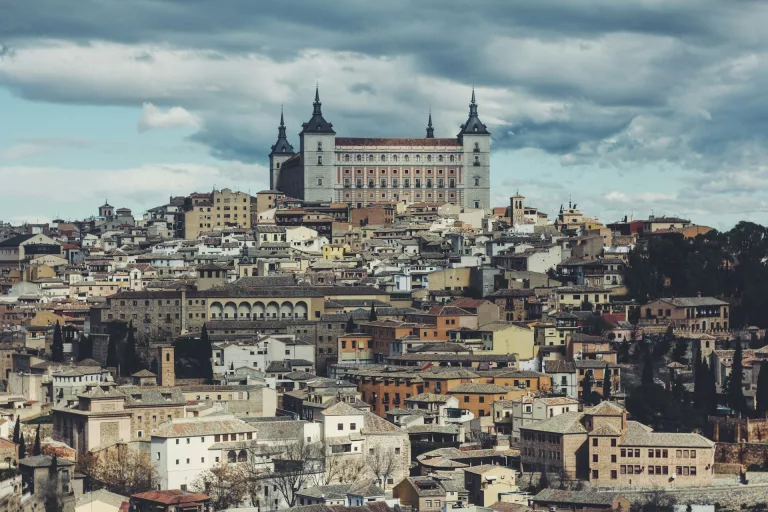
Less than an hour from Madrid by train lies one of Spain’s most captivating historic cities. Perched dramatically above the Tagus River, Toledo has earned UNESCO recognition for its extraordinary blend of Christian, Muslim and Jewish heritage. For centuries, these communities lived side by side, leaving behind a rich architectural legacy that can still be explored today. Gothic cathedrals stand alongside former mosques and synagogues, while narrow cobbled streets reveal hidden courtyards, artisan workshops and centuries-old stone buildings.
The magnificent Toledo Cathedral is often considered one of Spain’s greatest Gothic masterpieces. Nearby, the imposing Alcázar dominates the skyline, while the city’s medieval streets encourage visitors to wander without a fixed itinerary. For panoramic views, head to the Mirador del Valle. From here, Toledo’s hilltop setting comes into full view, with church spires, fortified walls and the winding Tagus River creating one of Spain’s most iconic landscapes.
France’s fairytale fortress: Carcassonne
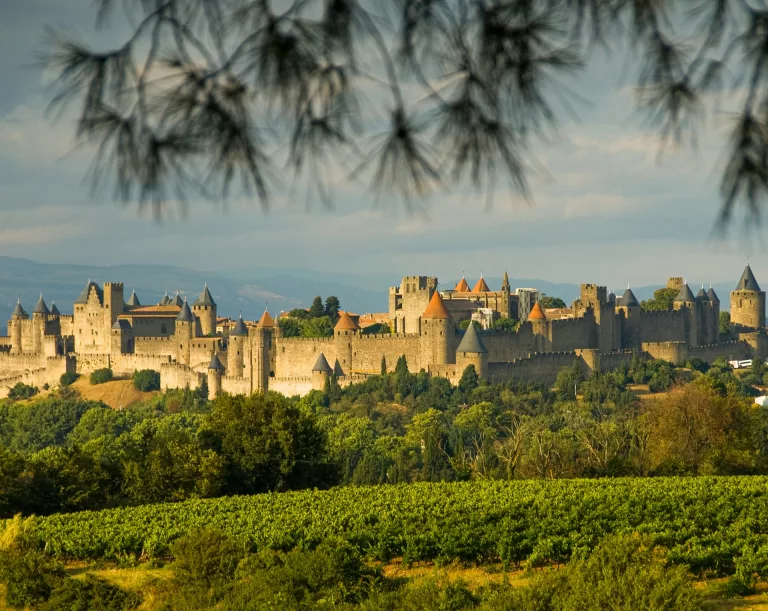
Carcassonne/Alain Bonnardeaux/Unsplash
Southern France is filled with picturesque villages and vineyard-covered hills, but few places capture the imagination quite like Carcassonne. Encircled by double defensive walls and crowned with more than 50 watchtowers, this fortified medieval city appears almost untouched by time. In reality, much of what visitors see today is the result of an ambitious nineteenth-century restoration that helped preserve one of Europe’s finest examples of medieval military architecture.
Crossing the drawbridge into the old citadel feels like stepping into another era. Narrow streets weave between stone buildings filled with cafés, bakeries and small boutiques, while the impressive Château Comtal offers visitors the opportunity to walk along the fortified walls and admire sweeping views across the surrounding countryside. Food lovers should also take time to sample cassoulet, the hearty bean and meat stew that originated in this region of France. Carcassonne works particularly well as part of a road trip through Occitanie, where vineyard visits, canal cruises and charming villages provide the perfect complement to its medieval grandeur.
Argentina’s frozen wilderness: Los Glaciares National Park
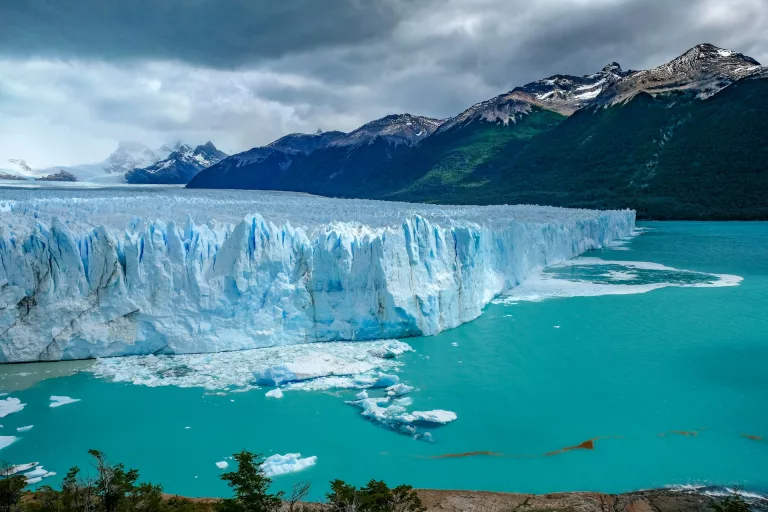
Los Glaciares National Park/Hans-Jürgen Weinhardt/Unsplash
If England, Spain and France showcase humanity’s architectural achievements, Argentina’s featured UNESCO site celebrates the power of nature. Located in Patagonia, Los Glaciares National Park protects one of the largest ice fields on Earth outside Antarctica. The park is renowned for its breathtaking mountain scenery, turquoise lakes and vast glaciers that continue to shape the landscape today.
Its undisputed star is the Perito Moreno Glacier. Unlike many glaciers around the world that are retreating, Perito Moreno remains relatively stable and continues its slow advance. Visitors can often witness enormous slabs of brilliant blue ice breaking away from the glacier and crashing into the waters below, creating an unforgettable natural spectacle. The park is also home to Mount Fitz Roy, whose jagged granite peaks have become one of South America’s most recognisable hiking destinations. The nearby mountain village of El Chaltén serves as the gateway to an extensive network of walking trails that range from leisurely lakeside strolls to demanding alpine hikes.
Follow us on social media for more travel news, inspiration, and guides. You can also tag us to be featured.
Instagram | Facebook | Twitter | Spotify
ALSO READ:
7 emerging African safari destinations for your next wildlife adventure