





A remarkable fossil discovery is shedding new light on the giant dinosaurs that once roamed South America. Paleontologists have identified a previously unknown species of titanosaur from two exceptionally well-preserved tail vertebrae unearthed in northern Uruguay more than four decades ago.
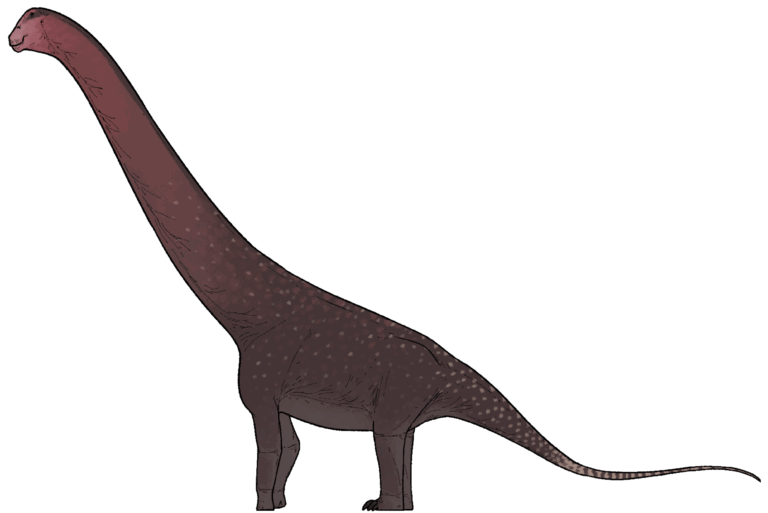
Life reconstruction of Mesetasaurus protector [Image used for illustrative purposes]/Connor Ashbridge/Wikimedia Commons
The newly described dinosaur, Mesetasaurus protector, lived between 86 and 72 million years ago during the Late Cretaceous, when titanosaurs dominated landscapes across the southern continent. The findings were published in the journal Ameghiniana on 8 July 2026.
Fossils hidden in plain sight
Although the fossils were discovered in the 1980s at the Meseta de Artigas site within Uruguay’s Guichón Formation, researchers have only now confirmed that they belong to a species previously unknown to science.
The two tail vertebrae were found lying close together in reddish sandstone, indicating they likely came from the same individual. Researchers describe them as some of the best-preserved sauropod fossils ever recovered in Uruguay.
ALSO READ:
The story behind The Oom: How Miles Masterson brought a surfing legend to life
A giant from an ancient family
Mesetasaurus protector belonged to the Aeolosaurini, a group of long-necked, plant-eating titanosaurs that flourished across South America during the final stages of the Cretaceous Period.
Titanosaurs were among the largest animals ever to walk the Earth and represented the last surviving lineage of sauropod dinosaurs before the mass extinction that ended the age of dinosaurs around 66 million years ago.
By comparing the fossils with dozens of other titanosaurs, scientists determined that the new species is closely related to dinosaurs previously discovered in Argentina and Brazil, including Aeolosaurus rionegrinus and Arrudatitan maximus.
Rewriting Uruguay’s prehistoric past
The discovery suggests Uruguay was home to a greater diversity of giant herbivorous dinosaurs than previously thought.
Until now, only one other sauropod species, Udelartitan celeste, had been formally identified from the country. The addition of Mesetasaurus protector indicates that several distinct titanosaur lineages shared the region during the Late Cretaceous, rather than a single isolated population.
Researchers also note that the distinctive shape of Aeolosaurini tail vertebrae makes these dinosaurs relatively easy to identify, helping scientists better understand how different species were distributed across ancient South America.
As more museum collections are re-examined and new fossil sites are explored, discoveries like this continue to reveal that some of the continent’s greatest prehistoric treasures have been waiting decades to tell their stories.
SOURCE: Sci News
Follow us on social media for more travel news, inspiration, and guides. You can also tag us to be featured.
Instagram | Facebook | Twitter | Spotify
ALSO READ:
Peru and South Africa soar in new global birdwatching rankings