



A newly identified red seaweed species has been named after Emeritus Professor John J Bolton of the University of Cape Town (UCT), recognising decades of research into South Africa’s marine biodiversity.
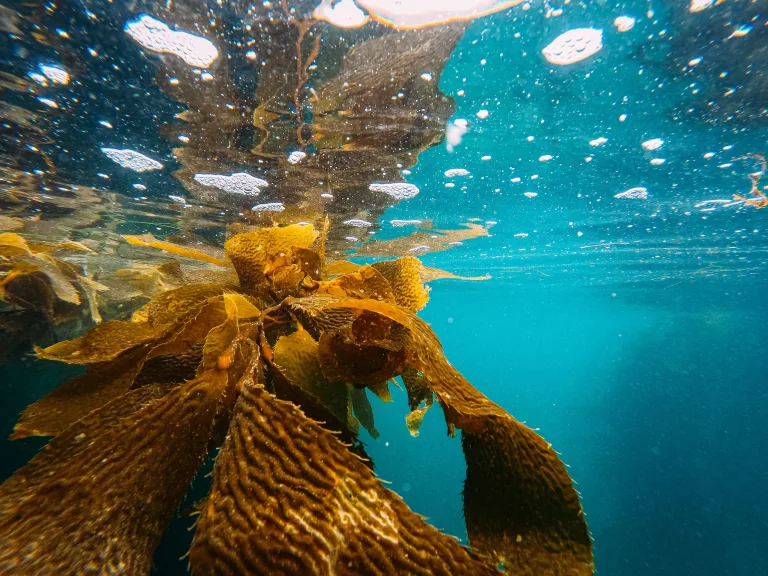
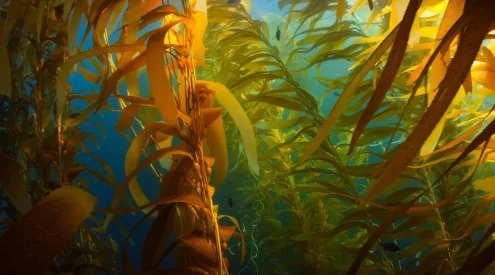
Kindel Media / Unsplash / Illustrative purposes only
Named Mzanzia boltonii, the species is endemic to South Africa, meaning it occurs naturally nowhere else in the world.
The discovery highlights how much there is still to learn about the life along our coastline, even among species that scientists have studied for years.
A closer look reveals a new species
The discovery emerged from an international study published in Molecular Phylogenetics and Evolution. Using genetic evidence, researchers found that South African specimens previously classified as Prionitis filiformis belonged to a distinct evolutionary lineage.
The findings led to the identification of a new genus, Mzanzia, and the description of Mzanzia boltonii.
The genus name comes from uMzantsi, an isiXhosa and isiZulu word meaning ‘south’. The species name honours Bolton for his contribution to seaweed research in South Africa.
A legacy of marine research
Bolton’s recognition reflects years of collaboration between UCT and Ghent University in Belgium. In the late 1990s, he established a postgraduate exchange programme between the institutions, helping drive research into seaweed diversity along South Africa’s east coast.
The work increased the known seaweed diversity of the KwaZulu-Natal coastline by more than 30% and contributed to the publication of Guide to the Seaweeds of KwaZulu-Natal.
The partnership also helped train marine researchers who continue to contribute to the field internationally.
South Africa is known for it’s rich marine life, but discoveries like this show that our oceans still hold unanswered questions. Sometimes, understanding what lives beneath the waves begins with looking more closely at what is already there.
Source (Goodthingsguy.com)
Follow us on social media for more travel news, inspiration, and guides. You can also tag us to be featured.
Instagram | Facebook | Twitter | Spotify
ALSO READ:
African cruise destinations look to keep more tourist spending onshore