




There is something undeniably romantic about a road trip. Open roads, small-town coffee stops, scenic mountain passes and the freedom to pull over whenever a view demands it. Add a toddler to the back seat, however, and that dreamy escape can quickly become an endurance test.
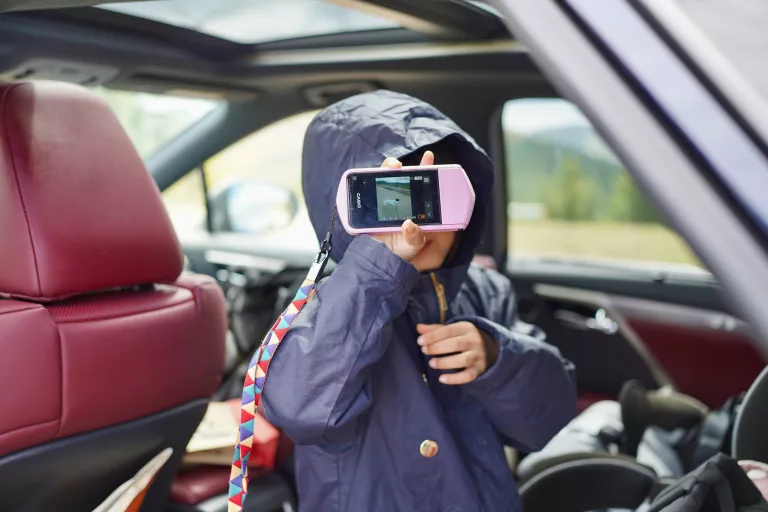
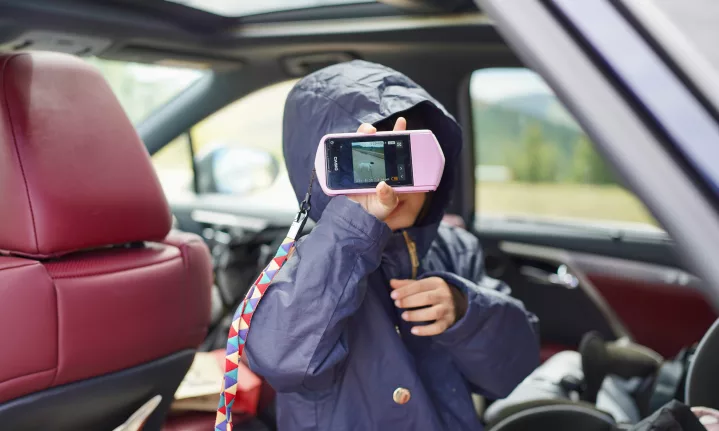
Photo by Daisy D / Unsplash / Illustrative purposes only
The good news is that travelling with a toddler does not have to feel like survival mode. A little planning, realistic expectations and a willingness to embrace a slower pace can transform the journey into part of the adventure. Whether you’re heading along the Garden Route, exploring the Wild Coast or escaping to the Drakensberg, these practical tips will help make the kilometres feel a little shorter for everyone.
Accept that the journey is no longer about speed
Before children, many of us measured a successful road trip by how quickly we reached our destination. With toddlers, success looks different. Expect to stop more often than your navigation app predicts. Nappy changes, toilet breaks, snack requests and spontaneous meltdowns are all part of the experience. Building extra time into your itinerary removes unnecessary pressure and gives everyone permission to enjoy the drive rather than race through it.
Sometimes the most memorable moments happen during an unexpected stop at a roadside farm stall or a quiet picnic spot you would otherwise have driven straight past.
Time your departure around sleep
Every toddler has their own rhythm, but many parents find that leaving shortly before nap time or early in the morning works best.
If your child naturally sleeps for two hours after lunch, plan the longest stretch of driving during that window. Some families also prefer setting off before sunrise so little ones sleep through the first part of the journey. Rather than forcing your toddler to adapt to your schedule, work with the routine they already have.
Schedule movement breaks every two hours
Long periods strapped into a car seat are uncomfortable for adults, let alone energetic toddlers. Planning a stop every couple of hours gives little ones the chance to stretch their legs, have a snack and burn off some energy before getting back on the road. For babies, these breaks are also ideal for feeding, changing and a bit of fresh air.
Choose stops with a bit of space rather than simply filling up with fuel. A grassy picnic area, playground or quiet rest stop gives toddlers the chance to burn off some energy before climbing back into the car.
Pack snacks like a professional
Ask any experienced parent for their number one road trip tip and chances are it will involve snacks. Instead of throwing everything into one large bag, portion snacks into individual containers that are easy to reach. Offering smaller choices throughout the day helps avoid hunger-driven meltdowns while keeping little hands occupied.
Good options include:
- Fresh fruit that travels well
- Cheese cubes kept in a cooler bag
- Rice cakes or crackers
- Dry cereal
- Fruit pouches
- Water bottles that are easy to sip from
Many experienced parents also recommend keeping a few favourite treats hidden away for genuine emergencies rather than handing them out at the first complaint. Community discussions among parents consistently highlight the value of “snack strategy” on long drives.
Rotate toys instead of giving everything at once
Novelty goes a long way. Rather than packing one large toy box, wrap or pack several small activities separately and introduce them throughout the journey. Sticker books, magnetic drawing boards, reusable colouring books, finger puppets and soft sensory toys can each buy valuable time.
Even a toy your toddler has not seen in a few weeks can suddenly feel brand new.
Download entertainment before you leave
There is no shame in using screens strategically. Download favourite episodes, audiobooks or children’s music playlists before leaving home, especially if your route includes remote areas where mobile reception disappears.
Think of screen time as one tool in the toolkit rather than the entire plan. Alternate entertainment with songs, conversation, simple games and scenery to help the journey feel more varied.
Keep essential supplies within arm’s reach
The items you need most should never be buried beneath the luggage. Keep a grab bag within easy reach containing:
- Wet wipes
- Nappies
- A change of clothes
- Plastic bags for dirty clothing
- Hand sanitiser
- Water
- Favourite comfort toy
- Basic first-aid supplies
Don’t forget any prescription medication your child may need, along with plenty of drinking water, sunscreen, tissues and hygiene essentials. Having everything within easy reach can save you from unpacking the boot at every stop.
Never compromise on car seat safety
Comfort matters, but safety comes first. Before leaving, check that your child’s car seat is correctly installed and adjusted according to the manufacturer’s instructions, as well as your child’s height and weight.
Throughout the journey, children should remain properly restrained, even during short trips or moments of frustration. While it can be tempting to loosen the harness or take them out of the seat during a meltdown, doing so greatly increases the risk of serious injury should a collision occur. South African road safety organisations, including the Road Traffic Management Corporation and Arrive Alive, continue to stress that correctly fitted child restraints are one of the most effective ways to protect young passengers.
Embrace flexible expectations
Perhaps the biggest road trip hack of all is accepting that not everything will go according to plan. Someone will probably spill juice. Someone may cry for reasons nobody fully understands. Lunch may happen an hour later than expected. That is simply part of travelling with young children.
Instead of aiming for a perfectly executed itinerary, focus on creating a relaxed atmosphere where delays become opportunities rather than frustrations.
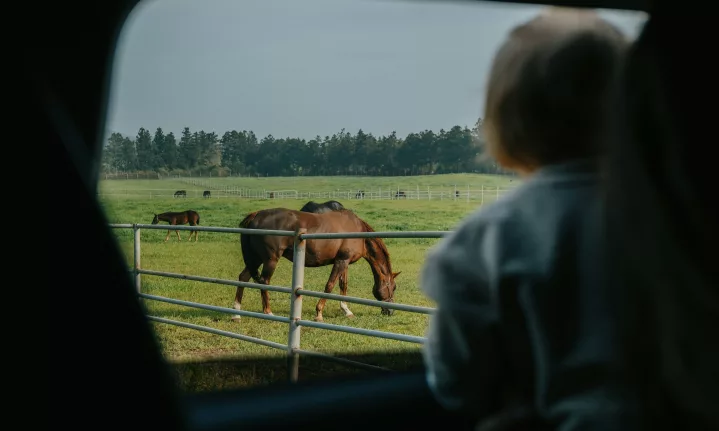
Years from now, your toddler will not remember how many minutes you spent stuck in traffic outside George or whether you arrived exactly on schedule. They may remember chasing birds at a roadside picnic stop, spotting baboons along a mountain pass or sharing rusks while watching the sunrise through the window. Those are the moments that turn an ordinary drive into a family adventure.
The road is part of the holiday
Travelling with a toddler will almost always take longer than expected but slower does not mean worse. Some of the country’s most memorable journeys are best enjoyed at an unhurried pace, with time to stop, explore and follow the unexpected detours that make road trips so rewarding.
Pack wisely, allow for plenty of breaks and remember that the destination is only part of the story. Sometimes the best family memories begin long before you arrive.
Follow us on social media for more travel news, inspiration, and guides. You can also tag us to be featured.
Instagram | Facebook | Twitter | Spotify
ALSO READ:
5 South African wildlife centres where kids can meet conservationists