




Across South Africa, several conservation centres welcome families to learn about endangered species, injured animals and the science behind wildlife rehabilitation.
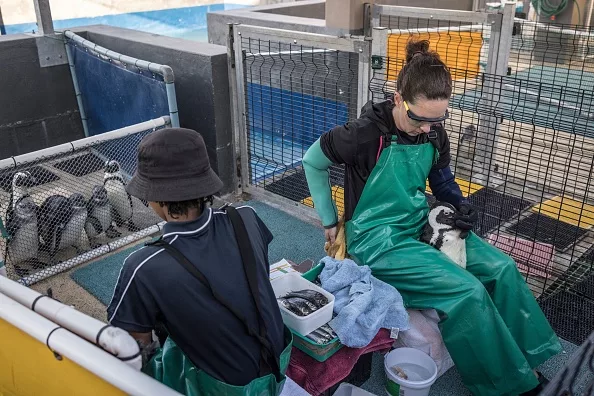
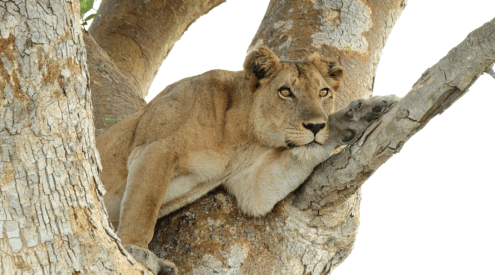
Image used for illustrative purposes/ (Photo by MARCO LONGARI / AFP) (Photo by MARCO LONGARI/AFP via Getty Images)
These visits offer more than great photo opportunities; they encourage children to understand why conservation matters and how they can play a role in protecting nature.
1. SANCCOB, Western Cape
View this post on Instagram
Meet the team saving African penguins
Located in Table View, Cape Town, the Southern African Foundation for the Conservation of Coastal Birds (SANCCOB) is one of the world’s leading seabird rehabilitation centres. It has rescued tens of thousands of seabirds over the decades, with a particular focus on the endangered African penguin.
Families can take guided tours of the facility, where children learn how injured and oil-covered seabirds are treated, fed and prepared for release back into the wild. Along the way, they gain insight into marine conservation, ocean pollution and the challenges facing South Africa’s seabirds.
Watching dedicated staff and volunteers care for vulnerable birds often leaves a lasting impression on young visitors.
Best for: Penguin lovers, aspiring marine biologists and children interested in ocean conservation.
2. Cheetah Outreach, Western Cape
Discover the challenges facing Africa’s fastest land animal
Situated near Somerset West, Cheetah Outreach combines wildlife education with conservation awareness. While cheetahs are the stars of the centre, visits focus on much more than simply seeing the animals.
Educational presentations explain the threats facing cheetahs, including habitat loss and human-wildlife conflict. Children also learn how conservationists work with farmers, researchers and local communities to help protect these magnificent cats.
The centre’s knowledgeable educators make complex conservation topics accessible and engaging for younger audiences.
Best for: Families with older children fascinated by big cats and wildlife conservation.
ALSO READ:
3. VulPro, North West
View this post on Instagram
Learn why vultures are nature’s clean-up crew
Vultures may not receive the same admiration as lions or elephants, but they are among Africa’s most important birds.
At VulPro’s conservation centre near Hartbeespoort, families can learn how these remarkable scavengers help keep ecosystems healthy by preventing the spread of disease. Educational visits introduce children to the dangers vultures face, including poisoning, collisions with power lines and habitat loss.
Meeting the passionate conservationists working to save these misunderstood birds helps children appreciate their vital role in nature.
Best for: Curious young bird enthusiasts and children interested in science and ecology.
4. Birds of Prey Rehabilitation Centre, KwaZulu-Natal
See rescued raptors up close
Located near Pietermaritzburg, the FreeMe Wildlife Birds of Prey Rehabilitation Centre allows families to learn about South Africa’s magnificent owls, eagles, hawks and vultures.
Educational programmes explain how injured birds arrive at the centre, the veterinary care they receive and the rehabilitation process before release. Depending on the day’s activities, visitors may even observe feeding sessions or rehabilitation work from designated viewing areas.
The experience teaches children that not every rescued animal can immediately return to the wild and that successful rehabilitation takes patience, expertise and dedication.
Best for: Families who enjoy birds, photography and hands-on learning.
5. Monkeyland, Eastern Cape
View this post on Instagram
Explore the world’s first free-roaming multi-species primate sanctuary
Nestled along the Garden Route near Plettenberg Bay, Monkeyland provides a unique opportunity to walk through indigenous forest while observing rescued primates living in large, free-roaming habitats.
Knowledgeable guides explain where the animals came from, why many required rescue and how responsible tourism supports conservation efforts. Children learn about different primate species, rainforest ecosystems and the importance of protecting wildlife from illegal trade and habitat destruction.
Rather than focusing on entertainment, Monkeyland encourages visitors to see primates as wild animals deserving of respect and protection.
Best for: Families exploring the Garden Route and children fascinated by monkeys and apes.
Inspiring the next generation of conservationists
The best wildlife experiences are often the ones that leave children asking questions long after the visit ends. Whether watching a rescued penguin recover, learning how vultures protect ecosystems or discovering the challenges facing cheetahs, these centres offer meaningful encounters that go beyond traditional animal attractions.
By meeting the conservationists, veterinarians, educators and volunteers working behind the scenes, young visitors gain a deeper appreciation for South Africa’s extraordinary wildlife and perhaps even discover a future career protecting it.
Follow us on social media for more travel news, inspiration, and guides. You can also tag us to be featured.
Instagram | Facebook | Twitter | Spotify
ALSO READ:
7 places where children can learn about dinosaurs in South Africa