



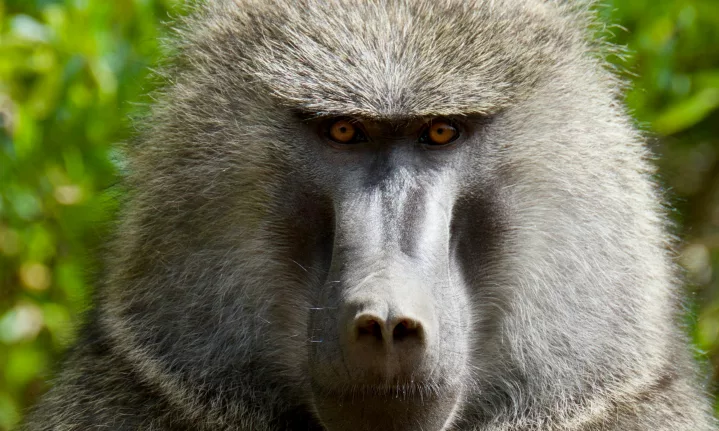
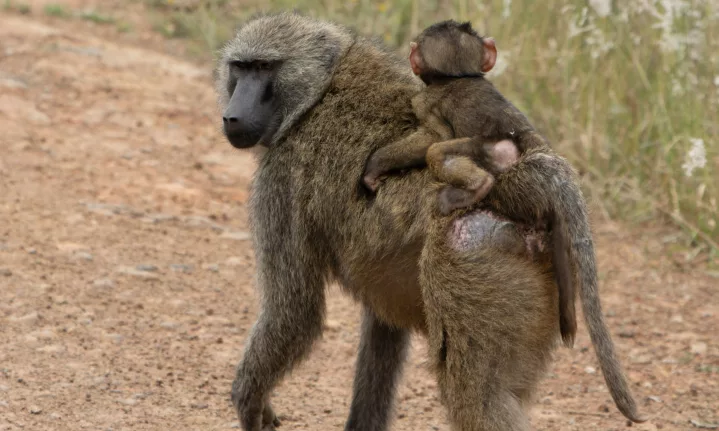
A beach picnic, a scenic mountain hike or a leisurely braai in nature can quickly become memorable for all the wrong reasons when a baboon suddenly appears. While these intelligent primates are fascinating to watch from a distance, they’re also opportunistic and have learned that humans often mean easy food.
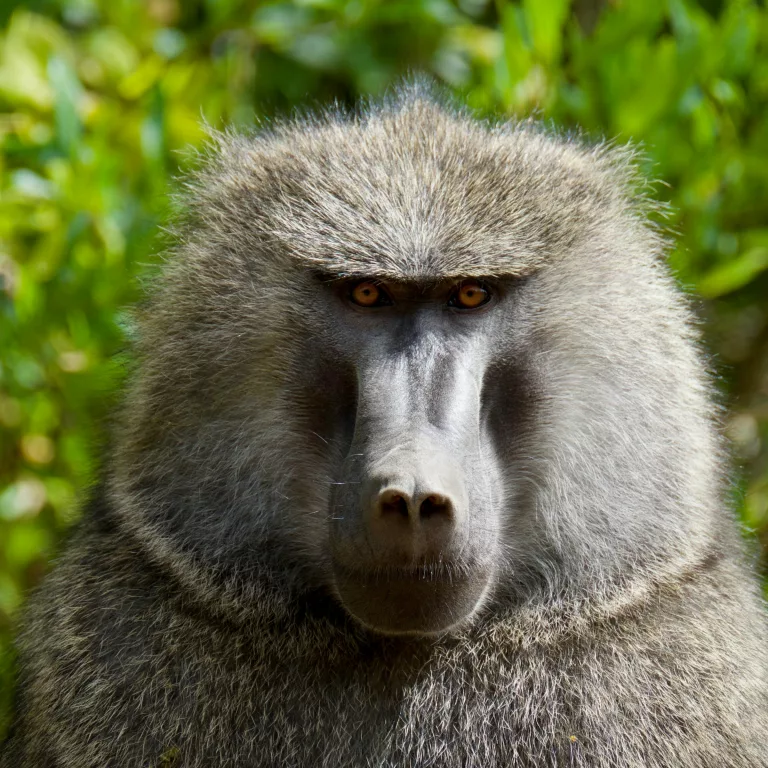
Photo: Unsplash
Whether you’re spending the day at Cape Point, visiting a nature reserve or enjoying a seaside picnic, knowing how to react during a baboon encounter can make all the difference. Most interactions can be avoided with a few simple precautions.
Why baboons approach people
Baboons don’t wander into picnic spots because they’re naturally aggressive. They’re incredibly smart, highly adaptable and always on the lookout for an easy meal. Over time, many baboons living near popular tourist areas have learned that cool boxes, backpacks and shopping bags often contain food.
Unfortunately, when people intentionally feed baboons or leave food unattended, it reinforces this behaviour, making future encounters more likely.
Stay calm and don’t panic
The first rule of any baboon encounter is surprisingly simple: stay calm. Running away, screaming or making sudden movements can escalate the situation. Instead, remain composed, keep an eye on the baboon without staring directly into its eyes and slowly create distance if it’s safe to do so. Direct eye contact can sometimes be interpreted as a challenge.
Never feed a baboon
It may seem harmless to toss a snack towards a curious baboon, but this is one of the worst things you can do. Feeding baboons teaches them to associate people with food, encouraging them to approach more visitors in future. It can also increase conflict between baboons and humans, often with tragic consequences for the animals themselves.
If a baboon successfully steals your lunch, don’t try to bargain with more food to get your belongings back.
Keep food completely out of sight
One of the biggest mistakes people make is assuming zipped bags are enough. Baboons have excellent eyesight and can often recognise food packaging from surprisingly far away.
If you’re having a picnic:
- Keep food inside sealed containers until you’re ready to eat.
- Pack away leftovers immediately.
- Never leave cooler boxes or shopping bags unattended.
- Keep vehicle windows closed if food is inside.
The less temptation there is, the less interested baboons usually become.
Photo: Unsplash
Don’t try to scare or corner it
Many people instinctively wave their arms, throw objects or shout. While making yourself appear calm and confident is fine, aggressively confronting a baboon can backfire, particularly if it’s a large adult male.
Never corner a baboon or block its escape route. Like most wild animals, they’re more likely to react defensively if they feel trapped.
Protect children and pets
Children are naturally curious, and a baboon can seem almost amusing from a distance. Make sure children stay close to adults and avoid running towards or away from baboons.
Dogs can also trigger confrontations. Keep pets on a lead where required and avoid allowing them to chase or bark at baboons.
If a baboon approaches you
If a baboon walks towards you:
- Stay calm.
- Pick up small children without making sudden movements.
- Secure any visible food.
- Slowly move towards a safe area or your vehicle if possible.
- Allow the baboon plenty of space to move away.
Remember that baboons are usually interested in your food rather than you.
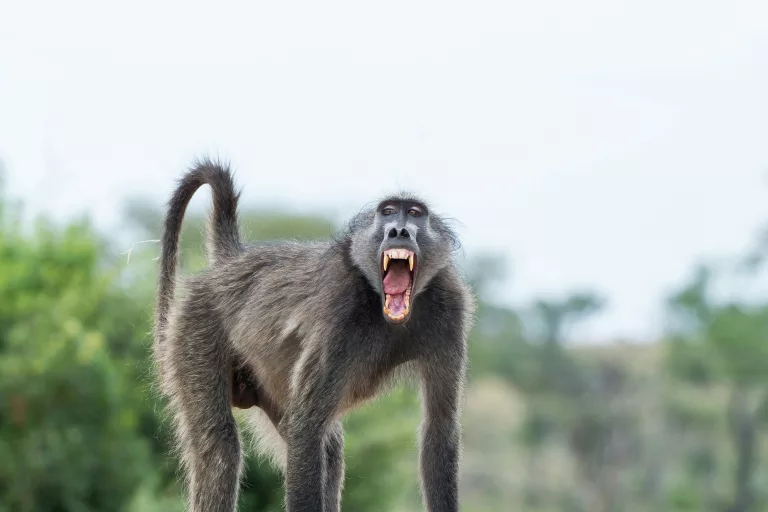
Photo: Unsplash
What if a baboon gets into your car?
It happens more often than many visitors realise. If a baboon enters your vehicle because a window or door was left open:
- Stay calm.
- Don’t try to physically remove it.
- Exit the vehicle if it’s safe to do so.
- Wait for the baboon to leave on its own.
- Avoid offering food to encourage it out.
Trying to wrestle food away or force the animal out can lead to injury.
Respect warning signs and local advice
Popular baboon hotspots often have clear signage explaining current activity in the area. If baboon monitors or conservation staff ask visitors to move, pack away food or avoid certain areas, follow their guidance. Their goal is to keep both people and baboons safe.
Remember: they’re wild animals
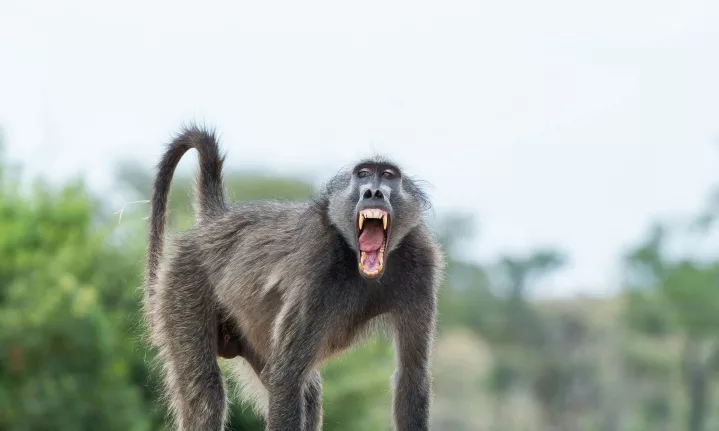
Although baboons can appear playful or even human-like, they remain wild animals with powerful jaws and sharp teeth. Admire them from a respectful distance, resist the temptation to get closer for a selfie and never try to touch one.
One careless interaction can put both people and baboons at risk.
Enjoy nature responsibly
South Africa’s baboons are an incredible part of the country’s wildlife. Watching a troop move across a mountainside or forage naturally can be one of the highlights of a trip.
By storing food properly, giving baboons space and following local guidelines, you can help ensure these intelligent animals stay wild while keeping your own outdoor adventures safe and stress-free.
ALSO SEE: South Africa’s most spectacular mountain passes to add to your road trip bucket list
South Africa’s most spectacular mountain passes to add to your road trip bucket list