




A walk along the beach can be full of surprises. From colourful shells and seaweed to strange-looking marine animals, there’s always something interesting washed ashore. But while some beach finds are perfectly harmless, others can sting, bite or even release toxins long after they’ve washed up.
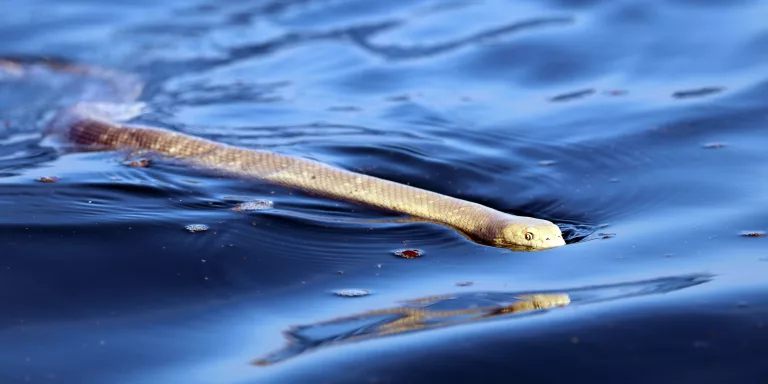
Photo: Unsplash
Here’s what you should never touch if you spot it on the beach.
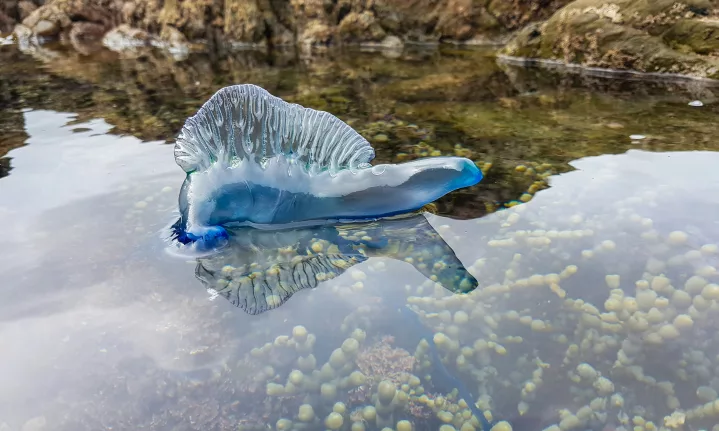
Portuguese man o’ war
The Portuguese man o’ war is one of the most recognisable (and dangerous) creatures you’ll find washed up along South Africa’s coastline. With its bright blue or purple, balloon-like float, it can look almost beautiful.
The problem? Its long tentacles are covered in venomous stinging cells that can remain active even after the animal has died. Touching one can cause intense pain, welts and, in rare cases, severe allergic reactions.
If you see one, keep children and pets well away and avoid stepping on it, even if it appears dried out.
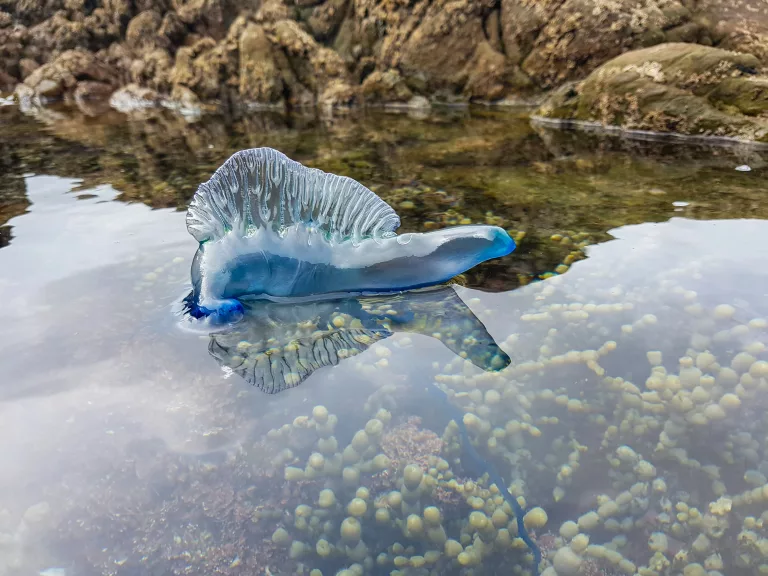
Photo: Unsplash
Bluebottles
Often mistaken for small jellyfish, bluebottles regularly wash ashore in large numbers after strong winds. Like the Portuguese man o’ war, they can still sting long after they’re stranded on the sand. Even detached tentacles can deliver a painful sting.
If you’re walking barefoot, keep an eye on the shoreline, especially after stormy weather.
Jellyfish
Not every jellyfish packs the same punch, but it’s safest to assume that any washed-up jellyfish can still sting. Tentacles often blend into the sand and may extend well beyond the jellyfish itself. Curious children are particularly at risk because the jelly-like body looks harmless.
Resist the urge to poke it with your hands or feet.
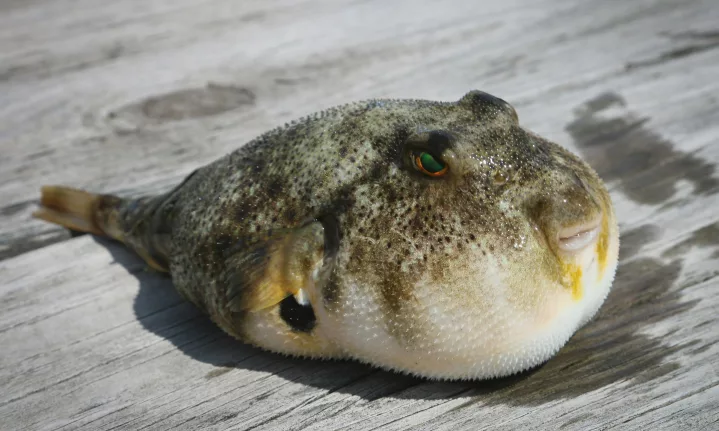
Pufferfish
Pufferfish are fascinating to look at, but they’re among the most poisonous vertebrates in the world. Although they aren’t dangerous simply because they’re lying on the beach, they shouldn’t be handled. Some species contain tetrodotoxin, an extremely potent toxin that remains dangerous after death.
Dogs are especially vulnerable, so keep pets away if you come across one.
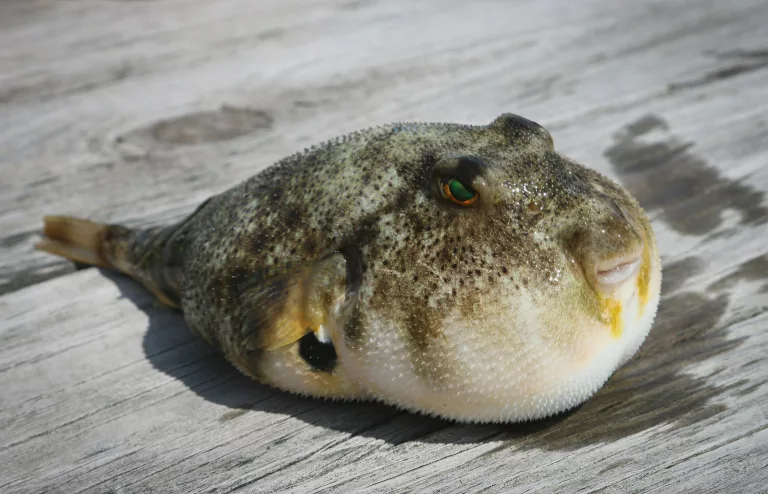
Photo: Unsplash
Cone snails
Cone snails have beautifully patterned shells that look like something you’d want to add to a collection. Don’t.
Some species have a venomous, harpoon-like tooth used to catch prey. While not every cone snail is dangerous, it’s impossible to tell at a glance whether the animal inside is alive.
If the shell is occupied, picking it up could result in a painful and potentially serious sting.
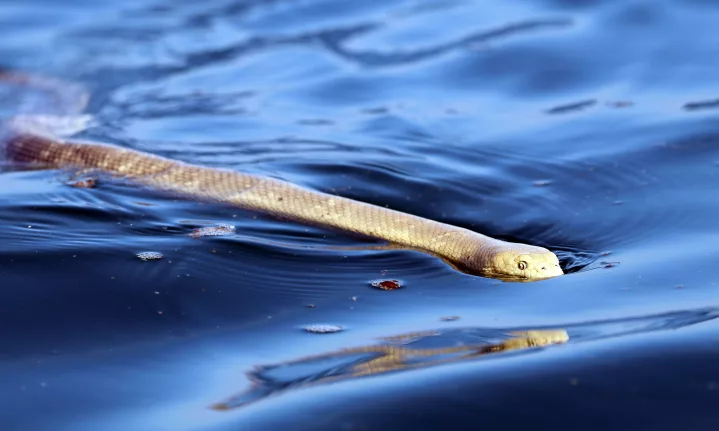
Sea snakes
Sea snakes are uncommon along South Africa’s coastline, but they do occasionally wash ashore after storms or unusual ocean currents. Even if they appear dead, they can still bite as a reflex. Their venom is highly potent, making them a creature to avoid entirely. If you spot one, give it plenty of space and notify local authorities or marine wildlife organisations if necessary.
Stingrays
Small stingrays can sometimes become stranded in shallow water or wash onto beaches. Their barbed tail spine remains sharp and can cause painful injuries. If you find a live stranded ray, don’t attempt to push it back into the ocean yourself unless directed by marine rescue experts.
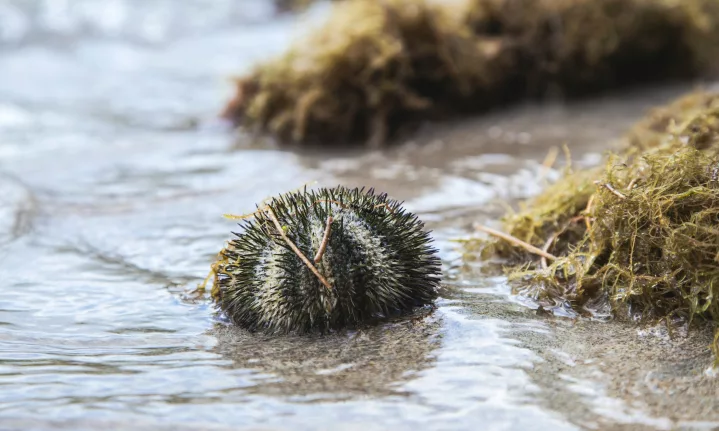
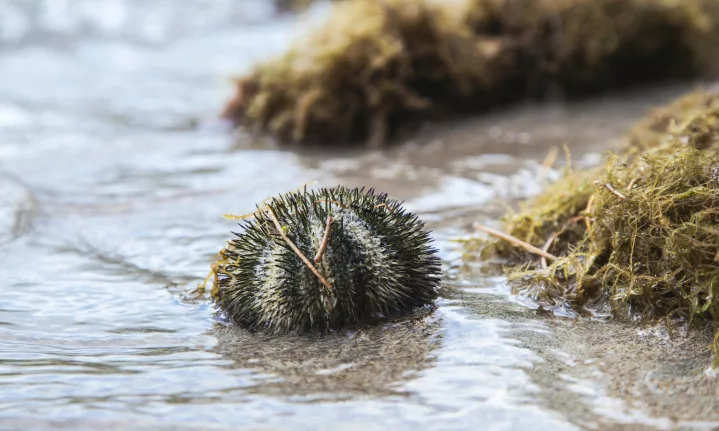
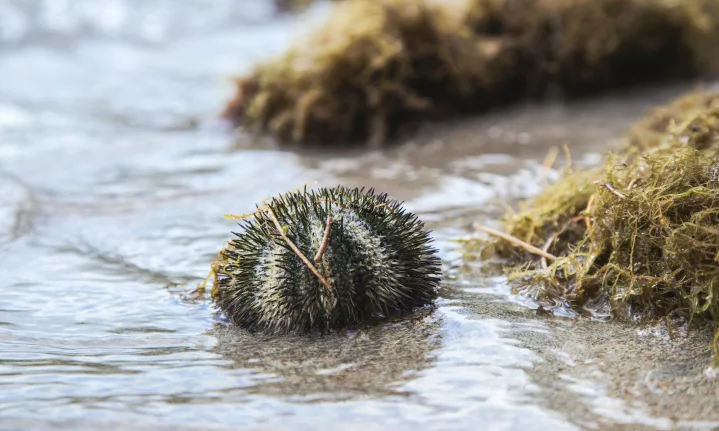
Sea urchins
A washed-up sea urchin may look harmless once it’s out of the water, but its sharp spines can still puncture skin. Some species also have venomous spines, while broken spine fragments can become lodged under the skin and lead to infection. If you spot one, leave it where it is.
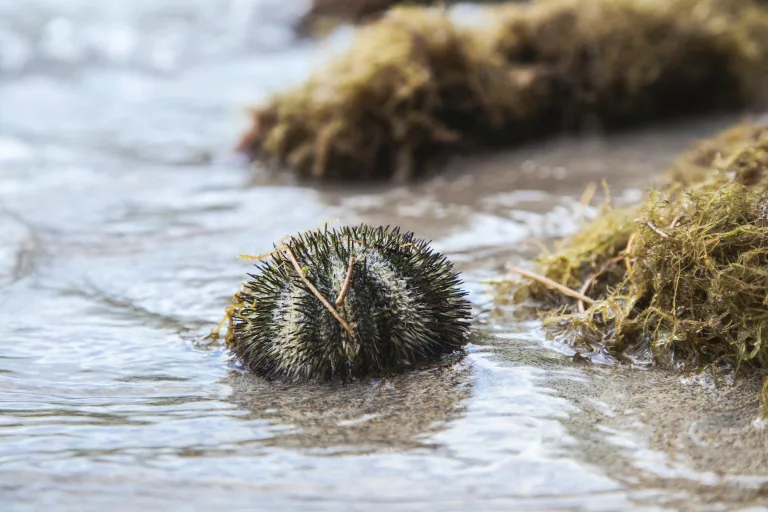
Photo: Unsplash
Sea hares
Sea hares are large marine molluscs that occasionally wash up after rough seas. While they aren’t dangerous to touch in the same way as jellyfish or bluebottles, many species release a purple ink when stressed, and some contain toxins that can be harmful if handled or eaten. It’s best to leave them undisturbed.
Dead marine mammals
If you come across a dead seal, dolphin or whale, don’t approach or touch it. Decomposing marine mammals can carry bacteria and diseases, and trapped gases inside the body can make carcasses unstable. Authorities should always be notified so they can assess and manage the situation safely.
What to do if you find a stranded sea creature
Not every animal washed ashore is dead. If you find a stranded marine animal:
- Don’t touch it.
- Keep children and pets away.
- Take a photo from a safe distance if you need help identifying it.
- Contact your nearest marine wildlife rescue organisation, local municipality or the National Sea Rescue Institute (NSRI) if the animal appears alive or in distress.
- Never try to return an injured marine animal to the sea unless advised by experts.
If you accidentally touch one
If you’ve been stung or injured:
- Move away from the animal immediately.
- Rinse with seawater rather than fresh water if it’s a jellyfish or bluebottle sting.
- Seek medical attention if pain is severe, you have difficulty breathing, or you develop swelling, dizziness or signs of an allergic reaction.
- If a pet has touched or eaten a washed-up sea creature, contact a veterinarian as soon as possible.
Enjoy the beach safely
Part of the magic of spending time at the coast is discovering the fascinating wildlife that calls the ocean home. But some beach discoveries are best appreciated from a safe distance. When in doubt, remember one simple rule: look, photograph and admire, but don’t touch. It protects both you and the wildlife.
ALSO SEE: Dog seriously injured in attack by off-leash dogs at Melkbosstrand beach
Dog seriously injured in attack by off-leash dogs at Melkbosstrand beach