

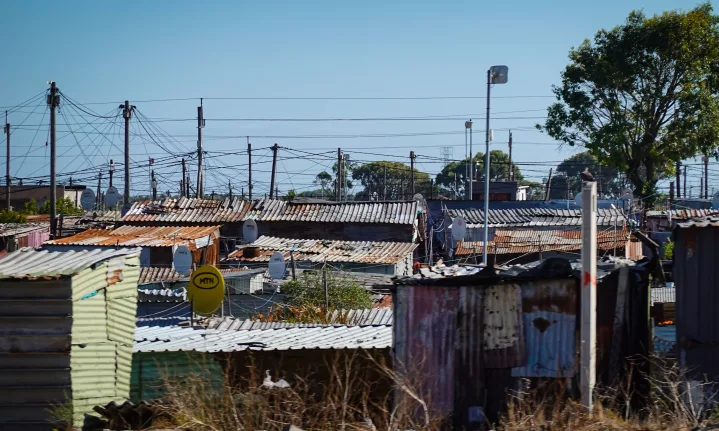
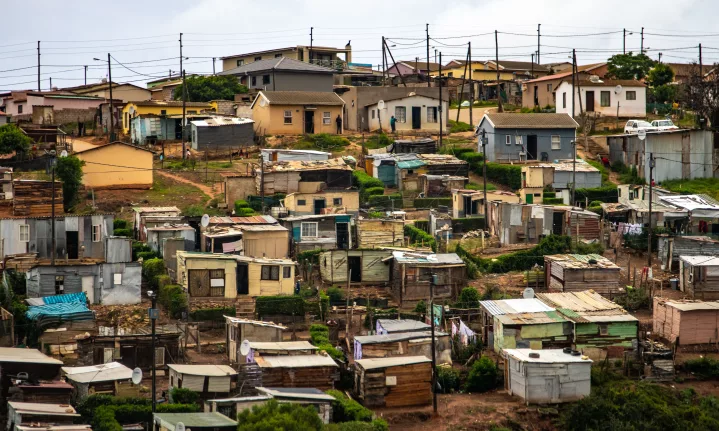
There are plenty of ways to see South Africa. You can follow the familiar tourist trail, tick off famous landmarks and move on to the next destination. Or you can spend a few hours with someone who knows a place from the inside. Township tours offer the latter.
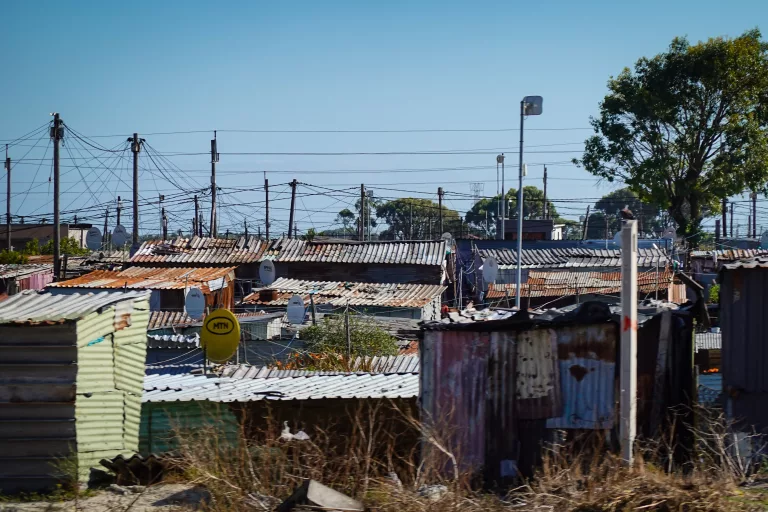
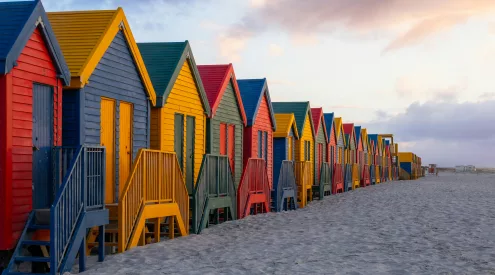
Photo by Magda Ehlers / Pexels
For travellers, they can provide a deeper understanding of South Africa’s complicated history, but the best experiences are not simply drives past houses or stops at historical sites. They are led by people who live in the communities, with opportunities to eat local food, meet entrepreneurs, hear personal stories and understand how these neighbourhoods have evolved.
That distinction matters. Township tourism has been debated for years, particularly around whether tourism genuinely benefits local communities. Responsible operators put local people at the centre of the experience, with tourism spend supporting guides, artists, food businesses and other community enterprises. If you want to explore South Africa beyond its traditional tourist attractions, these are five township experiences worth considering.
Soweto, Johannesburg
Soweto is arguably the best-known township in South Africa, but there is far more to the area than its famous landmarks. The name Soweto, short for South Western Townships, was first used in 1963 for the collection of townships southwest of Johannesburg. Its history is closely tied to the development of Johannesburg and the apartheid government’s system of racial segregation. Soweto became internationally recognised following the June 1976 student uprising, when thousands of schoolchildren protested against the compulsory use of Afrikaans in education.
Today, a locally led tour can bring those stories to life while showing visitors the Soweto that exists beyond its history books. Many tours focus on Orlando West and Vilakazi Street, where the former homes of Nelson Mandela and Archbishop Desmond Tutu are located. The street is also associated with the June 1976 uprising and the nearby Hector Pieterson Memorial.
But there is another side to Soweto worth exploring. Local guides can introduce visitors to township food, small businesses, artists and everyday life. Community guides listed by TownshipTours.co.za include walking experiences, minibus taxi tours and even birding tours led by a guide trained by BirdLife South Africa.
Best time to visit: Johannesburg’s spring and early summer months are particularly good for spending time outdoors, with September and October offering warmer days before the wetter summer months arrive. The city also has a busy events calendar through September and October.
Tip: Don’t rush through Soweto in a vehicle. Choose a locally led walking or cycling experience where possible and leave time to stop for a meal or browse local businesses. If history is your priority, look for an itinerary that includes Vilakazi Street, the Hector Pieterson Memorial and other significant sites, rather than simply driving past them.
Langa, Cape Town
Langa is one of Cape Town’s oldest townships and one of the city’s most important places to understand the history of segregation and resistance. The township was officially opened in 1927 following the 1923 Urban Areas Act and was developed after the removal of Black residents from Ndabeni. Its name is derived from the Xhosa chief Langalibalele, rather than simply meaning “sun” in Xhosa.
Langa became an important centre of resistance during apartheid. During the anti-pass campaign of 1960, residents were killed in Langa in events that occurred around the same time as the Sharpeville massacre. Today, monuments and heritage sites in the area remember those who were involved in the struggle.
But history isn’t the only reason to visit. Cape Town Tourism describes Langa as a cultural hub with a strong community spirit and a growing range of food, arts and cultural experiences. The area includes the Langa Quarter, local eateries and cultural attractions, while locally led walking tours offer visitors a chance to hear the township’s stories from people who know it personally.
There are several local operators offering these experiences. Langa Tours, for example, describes its tours as locally owned and operated, with guides born and raised in the township.
Best time to visit: Cape Town’s summer runs roughly from October into March, bringing long, warm days that work well for walking and outdoor experiences. March and April can be particularly appealing if you want shoulder-season conditions and fewer crowds, although April can bring the first winter rainfall.
Tip: Choose a walking tour that combines history with contemporary Langa. Visit cultural spaces, support local food businesses and, where appropriate, buy directly from local artists and makers. The point is not simply to see Langa, but to spend time there.
Khayelitsha, Cape Town
Cape Town’s largest township offers a very different experience, one where food, creativity, entrepreneurship and community are just as important as history. Khayelitsha, meaning “new home” in Xhosa, was established in 1983 on the Cape Flats as part of the apartheid government’s plans to relocate Black residents from informal settlements and existing townships. Many residents were forcibly moved there, including people from Crossroads. The settlement initially began as a tented town before expanding rapidly.
Khayelitsha grew dramatically during the late 1980s and 1990s, and today it is a major urban community with a strong entrepreneurial and creative culture. A local guide is particularly useful here. Cape Town Tourism recommends using reputable local guides who know the area and can introduce visitors safely to its food, art and cultural experiences.
You could explore Khayelitsha by bicycle with local guides, take an art-focused tour, visit Isivivana Centre or explore community-led initiatives. Cape Town Tourism also highlights Khaltsha Cycles, local art tours and community farming projects among the experiences available in the area. Food is another important part of the experience. Local eateries offer traditional dishes alongside more contemporary township food, while destinations such as Rands Cape Town have become part of Khayelitsha’s social and entertainment scene.
Best time to visit: The warmer, drier Cape Town months from November to March are ideal for outdoor activities such as walking and cycling. March and April are also good shoulder-season options if you want slightly cooler weather and fewer peak-season crowds.
Tip: Don’t try to “see” Khayelitsha in an hour. Book a tour that gives you time to interact with the community, whether that means cycling, visiting artists, learning about local initiatives or sitting down for a meal.
Alexandra, Johannesburg
Wedged between some of Johannesburg’s wealthiest suburbs, Alexandra is one of the city’s oldest townships and has a history that stretches back more than a century. The development of Alexandra dates to 1912. Unlike many later townships, Black residents were initially able to buy freehold land there, although residents were subsequently subjected to exploitation by landlords and increasingly restrictive government control. Its location and history make Alexandra a fascinating place to explore with someone who knows the community.
One of the more distinctive ways to experience it is by bicycle. African Public Bicycles offers locally guided township cycling tours led by Jeffrey Mulaudzi, taking visitors to heritage sites and community spaces. Depending on the tour, stops can include the first primary school in Alexandra, Nelson Mandela’s former house, a local shebeen, a hostel and other parts of the township.
The bicycle format also changes the pace of the experience. Instead of looking at Alexandra through a vehicle window, visitors have the opportunity to move through the streets, meet people and experience the neighbourhood more directly.
Best time to visit: Spring and early summer are a good choice for an outdoor experience such as cycling. Johannesburg’s September and October period brings warmer weather and a busy cultural calendar, while the city’s winter months are generally drier but cooler.
Tip: If you choose a cycling tour, opt for a small group. The local operator behind the Alexandra bicycle tours limits groups to eight people, which allows for a more personal experience and makes it easier to interact with the community.
Inanda and KwaMashu, Durban
For a township experience with a strong connection to South Africa’s political and cultural history, head north-west of central Durban. Inanda and KwaMashu form part of Durban’s cultural heartland, with tours connecting visitors to important figures and events in South Africa’s history.
Inanda is particularly significant to the country’s liberation history. It is associated with John Langalibalele Dube, one of the founding figures of the African National Congress, while the broader Inanda Heritage Route includes sites connected to the area’s political and religious history. KwaMashu, meanwhile, has its own important apartheid-era history and cultural identity.
KwaMashu was established in 1959 and was the first township created in Durban through the implementation of the Group Areas Act. The area was formerly a sugar-cane plantation owned by Sir Marshall Campbell, whose name was translated into isiZulu as “KwaMashu”. A current Durban Tourism township tour combines historical sites with local cultural experiences. Visitors can learn about the area’s role in the struggle against apartheid, visit heritage landmarks and community spaces, and finish with a traditional shisanyama lunch at a local tavern.
Best time to visit: Durban is a year-round destination, but the city’s tourism authority recommends the cooler, drier months from May to September. Summer is warmer and more humid, but works well if you want to combine the township experience with Durban’s outdoor attractions.
Tip: Give yourself several hours rather than squeezing the experience between beach stops. The current Durban Tourism itinerary runs for around four hours and combines history, food and community interaction, making it a good example of why township tourism works best when the destination isn’t treated as a quick drive-by.
Explore with curiosity, not a checklist
Township tourism isn’t about pretending that South Africa’s difficult history doesn’t exist. In many ways, it is the opposite.
These communities carry stories of forced removals, segregation, resistance and inequality, but they are not frozen in the past. They are living neighbourhoods where people work, raise families, create businesses, make art, cook, socialise and build new futures.
Why choosing a local guide matters.
A good township experience should leave you with more than photographs. It should introduce you to people, history and places you might otherwise have missed, while ensuring that at least some of your travel spend stays within the community. Fair Trade Tourism’s principles specifically emphasise fair sharing of tourism income, respect for local culture and human rights, and meaningful participation by the people involved. So, when planning a township tour, look beyond the word “authentic”. Ask who owns the experience, who leads it, where the money goes and whether the itinerary creates genuine opportunities to engage with local businesses and residents.
Book the tour
South Africa’s townships deserve to be experienced as more than a chapter in the country’s history. Go with a local, listen properly, eat something, ask questions and give yourself time to see the place beyond the view from the tour vehicle. That is when a township tour becomes more than sightseeing. It becomes a way of understanding South Africa through the people who know it best.
Follow us on social media for more travel news, inspiration, and guides. You can also tag us to be featured.
Instagram | Facebook | Twitter | Spotify
ALSO READ: