


Africa’s cities are often known for busy streets, historic neighbourhoods, markets, and growing skylines. But beyond the concrete, a different side of the continent appears.
From restored wetlands in city centres to bird-filled forests, botanical gardens, mountain trails, and even wildlife reserves framed by skyscrapers, these cities let you experience nature without leaving town.
If you are planning a city break but still want time outdoors, these seven African cities offer a different way to explore.
1. Nairobi, Kenya
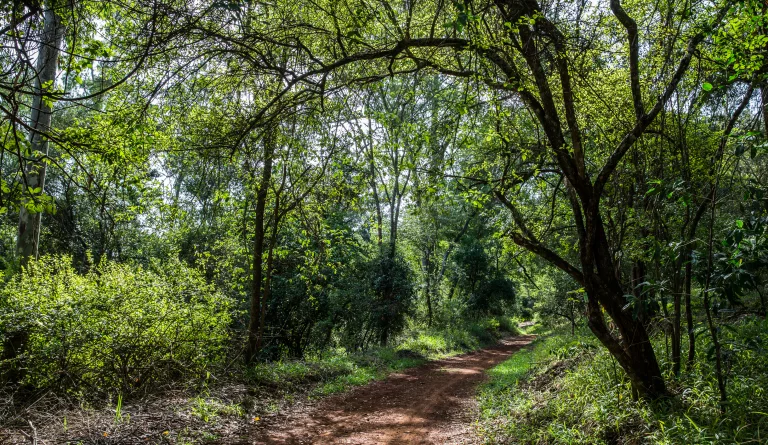
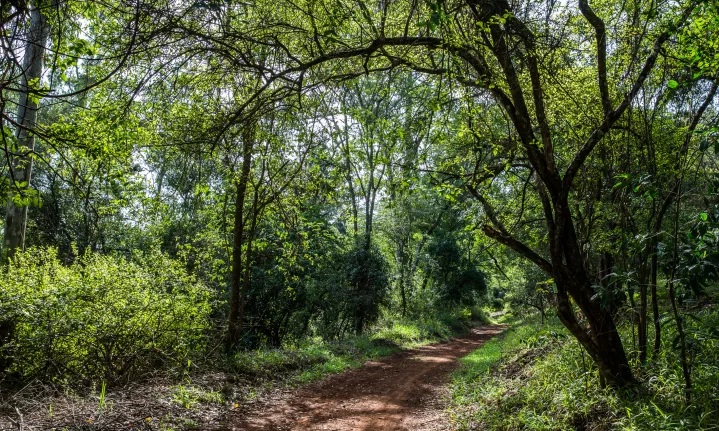
Karura Forest Nairobi/Ninaras/Wikimedia Commons
Go on safari with skyscrapers on the horizon
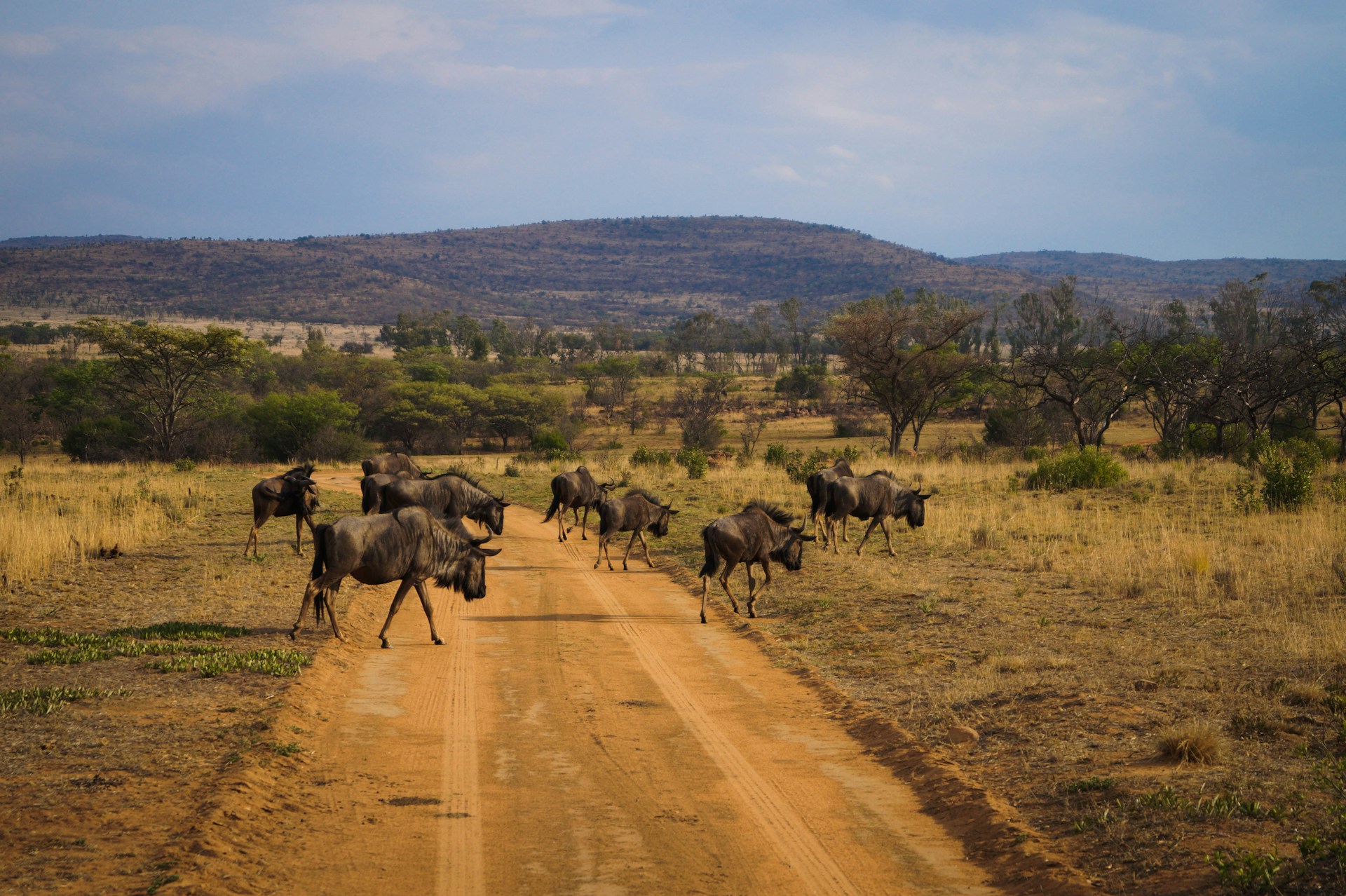
Few cities can make the claim that Nairobi can. The Kenyan capital is home to a genuine national park where lions, giraffes, zebras, buffalo and other wildlife can be found against a backdrop of the city skyline.
Nairobi National Park lies just 10km from the central business district, making it one of the easiest places in Africa to combine an urban getaway with a traditional safari experience. The park’s open plains and riverine habitats provide opportunities for game drives and birdwatching, while the skyline creates a distinctly Nairobi setting.
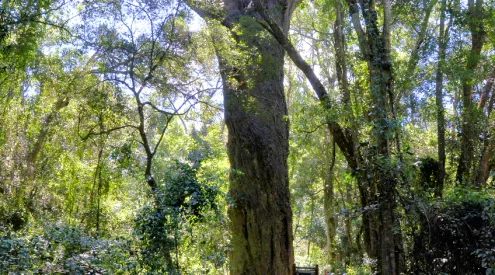
The city also has another impressive natural escape in Karura Forest. Covering 1,041 hectares, the urban forest is home to hundreds of wildlife species and around 200 bird species. Visitors can walk or cycle beneath the canopy, visit waterfalls and caves, and look out for monkeys, antelope and other forest inhabitants.
Make it a day: Start with an early game drive in Nairobi National Park, then spend the afternoon exploring Karura Forest.
2. Kigali, Rwanda
Walk through a restored urban wetland
Kigali’s relationship with nature is particularly interesting because one of its standout attractions is an example of environmental restoration.
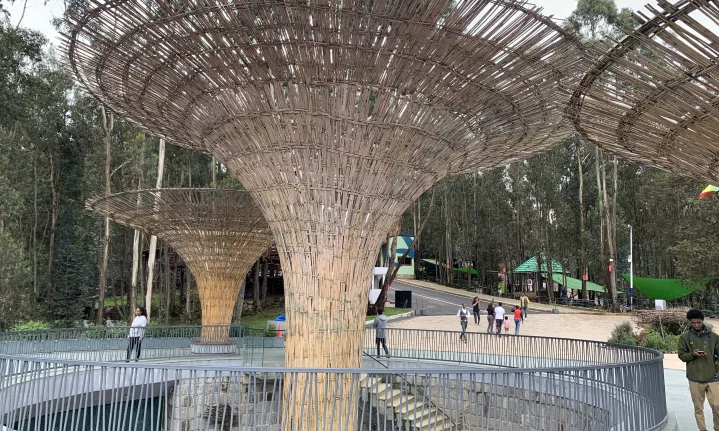
Nyandungu Eco-Park transformed a degraded wetland into a 121-hectare recreational and ecological space. The restored landscape includes wetland vegetation, indigenous woodland, ponds, gardens and walking and cycling trails.
The park is also a birdwatching destination, with more than 100 bird species recorded. Visitors can hike, cycle, picnic or simply spend time exploring the different habitats.
Its importance goes beyond tourism. The wetland was restored partly to improve biodiversity, reduce pollution and help manage flooding. The project included the planting of 17,000 trees representing 55 indigenous species, along with the rehabilitation of streams and ponds.
For travellers, that makes Nyandungu more than a green space. It is a glimpse into how an African capital can restore natural ecosystems while creating somewhere enjoyable for residents and visitors.
Make it a day: Pack walking shoes and binoculars, then combine a morning at Nyandungu with Kigali’s cafés, galleries and restaurants.
3. Johannesburg, South Africa
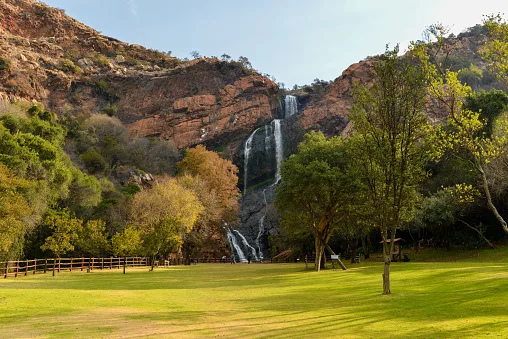
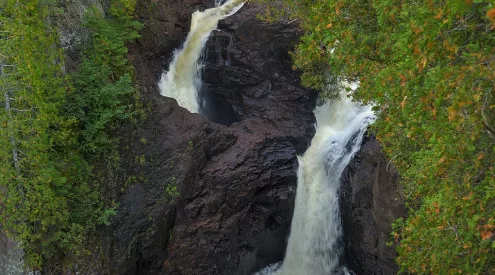
Waterfall in Walter Sisulu National Botanical Garde/By: demerzel21/iStock
Find a surprisingly wild side to the City of Gold
Johannesburg may be one of Africa’s biggest urban centres, but it is also remarkably green.
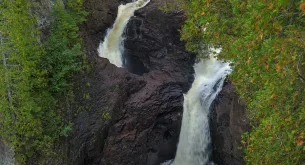
The city has thousands of parks and an estimated 10 million trees, earning it a reputation as an urban forest. Among its most impressive natural attractions is the Walter Sisulu National Botanical Garden in the city’s north-west.
The garden combines cultivated botanical displays with natural landscapes, including grassland, bushveld and forest. Around 240 bird species have been recorded, while Verreaux’s eagles nest around the cliffs near the waterfall. More than 600 naturally occurring plant species have also been recorded on the site.
The waterfall and surrounding cliffs give the garden a distinctly wild atmosphere, despite its location within one of South Africa’s busiest metropolitan areas.
For travellers, it is an easy way to slow down after exploring Joburg’s museums, restaurants and neighbourhoods.
Make it a day: Combine a morning at Walter Sisulu with a relaxed lunch before exploring more of Johannesburg’s cultural attractions.
4. Cape Town, South Africa

Marina da Gama and Zandvlei in 2018/Jnanaranjan sahu/Wikimedia Commons
Explore wetlands beneath the mountain
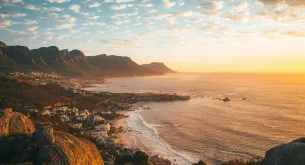
Cape Town is famous for Table Mountain and its surrounding national park, but its urban nature extends well beyond the city’s most recognisable landmark.
The Greater Zandvlei Estuary Nature Reserve is a particularly good example. The reserve encompasses wetlands, the Zandvlei water body, islands, the Keysers River rehabilitation area and the Westlake Wetlands. It protects remnants of natural habitats that once covered much of the Cape Flats.
The wetland environment also supports an impressive variety of birdlife. Around 150 bird species have been recorded at Zandvlei, including fish eagles, pelicans, kingfishers, herons and several migratory species.
It offers a completely different perspective on Cape Town. Instead of looking down at the city from a mountain, you can watch birds move across a wetland while the surrounding suburbs carry on with everyday life.
Other green spaces and nature reserves scattered around the city make it possible to build an entire itinerary around Cape Town’s urban biodiversity.
Make it a day: Visit Zandvlei for birdwatching and a walk, then continue towards the False Bay coastline for an afternoon beside the ocean.
5. Freetown, Sierra Leone
View this post on Instagram
Swap the city streets for rainforest
Freetown is one of Africa’s most dramatic capitals, squeezed between the Atlantic Ocean and the forested hills of the Freetown Peninsula.
The Western Area Peninsula National Park provides a remarkable natural backdrop to the city. Around Tacugama Chimpanzee Sanctuary, visitors can join guided forest hikes through a highly biodiverse landscape where birds, butterflies, monkeys and duikers can be spotted. Lucky visitors may even encounter wild chimpanzees.
Tacugama itself is located on the outskirts of Freetown and combines wildlife conservation with ecotourism. The sanctuary cares for rescued Western chimpanzees and offers guided visits, forest walks, birdwatching and accommodation in forest eco-lodges.
The surrounding trails lead through forest and past waterfalls, dams and mountain viewpoints, making this a destination where the journey into nature begins surprisingly close to the capital.
Make it a day: Head into the hills for a guided forest walk, then return to Freetown for sunset by the Atlantic.
6. Addis Ababa, Ethiopia
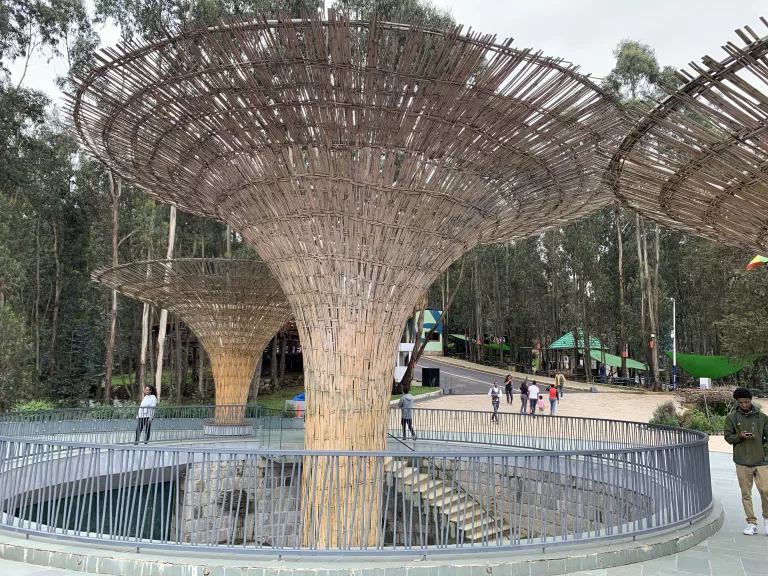
Entoto Natural Park/Mjr74/Wikimedia Commons
Hike the forests above the capital
Addis Ababa sits at high altitude, and its mountain setting gives the Ethiopian capital a natural escape almost on its doorstep.
Entoto Park stretches across the forested Entoto Mountains above the city. The park offers hiking and cycling routes, mountain views and opportunities to experience the highland landscape without travelling outside Addis Ababa. Its official site describes the area as a place focused on preserving the park’s natural beauty and biodiversity.
The wider Entoto landscape is particularly interesting for travellers who enjoy walking. Research on the recreational park has recorded a range of activities including mountain trekking, forest walking, nature walks, birdwatching and wildlife viewing.
From the forested slopes, the city unfolds below, creating one of the most dramatic contrasts on this list: a sprawling capital on one side and highland forest on the other.
Addis is also developing new riverside green spaces. Recent restoration work along the Entoto-Kechene area has included tree planting, water restoration, pedestrian paths and hiking routes.
Make it a day: Spend the morning hiking in Entoto, stop for Ethiopian coffee with a view, then return to the city for museums and historic sights.
ALSO READ:
7. Kampala, Uganda
Discover the wetlands woven into the city
Kampala’s natural character is closely linked to water.
The Ugandan capital has grown around a landscape of hills, valleys, wetlands and waterways, creating pockets of green space amid a rapidly expanding city. Wetlands such as Lubigi form an important part of the wider landscape around Kampala, stretching around parts of the city’s northern and western edges.
For a more structured nature experience, travellers can also head towards nearby Entebbe, where the National Botanical Gardens sit beside Lake Victoria. Although technically outside Kampala, Entebbe makes an easy addition to a Kampala itinerary and offers a combination of tropical vegetation, wetlands, forest and lakeshore habitat.
The gardens are particularly appealing to birdwatchers, with more than 200 species reported, while the Lake Victoria shoreline adds another ecosystem to explore.
The result is a reminder that Uganda’s famous biodiversity is not confined to its national parks. Nature is part of the landscape surrounding its largest urban areas too.
Make it a day: Explore Kampala’s hills and urban wetlands before heading towards Entebbe for a lakeside nature walk and birdwatching.
Nature is closer than you think
One of the pleasures of exploring African cities is discovering that the boundary between urban life and the natural world is often surprisingly thin.
In Nairobi, you can watch wildlife with skyscrapers in the distance. Kigali has turned a damaged wetland into a place for walking and birdwatching. Johannesburg hides botanical gardens and wildlife-rich landscapes among its suburbs, while Cape Town’s wetlands support birds and aquatic ecosystems beneath the mountain.
In Freetown, rainforest climbs towards the capital. In Addis Ababa, highland forests overlook the city, while Kampala’s wetlands and lakeside habitats reveal another side of Uganda’s urban landscape.
For travellers, these places offer more than a break from sightseeing. They show how African cities are preserving, restoring and making space for nature, and why you don’t always have to leave town to find it.
Follow us on social media for more travel news, inspiration, and guides. You can also tag us to be featured.
Instagram | Facebook | Twitter | Spotify
ALSO READ: