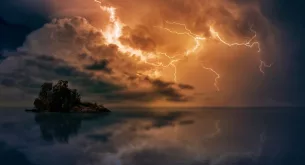

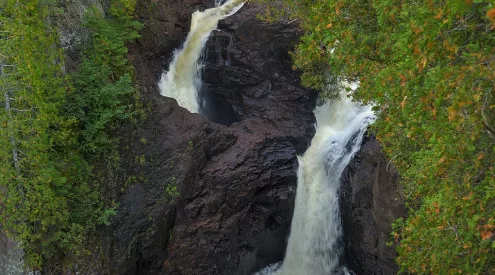

Winter may be nearing its end, but South Africa is not quite ready to let it go. In some parts of the country, the last weeks of the season bring some of the year’s best travel conditions: wildflowers begin carpeting the Northern and Western Cape, southern right whales gather along the coast and the dry bushveld makes wildlife easier to spot.

Photo by Keenan Constance / Unsplash
Elsewhere, the mountains can still deliver crisp mornings and even snow. If you have one more winter escape in you, these are the places worth making time for.
Namaqua National Park, Northern Cape
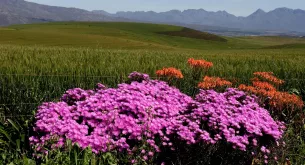
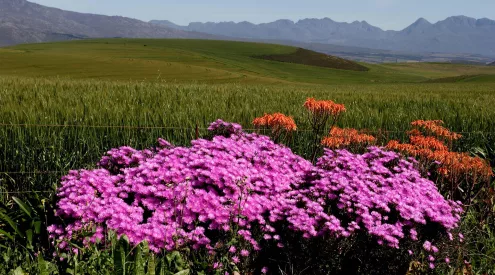
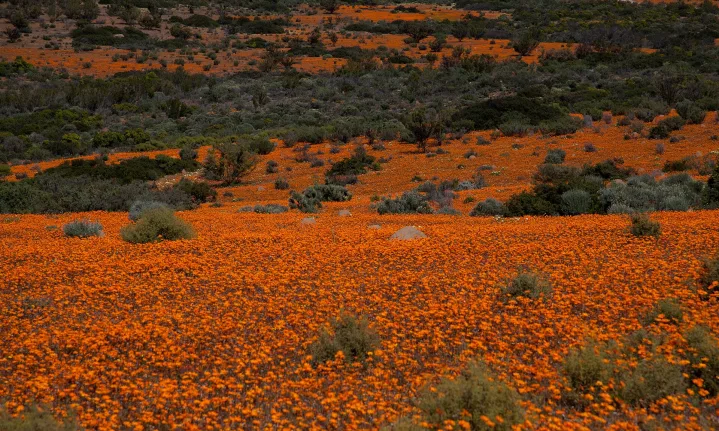
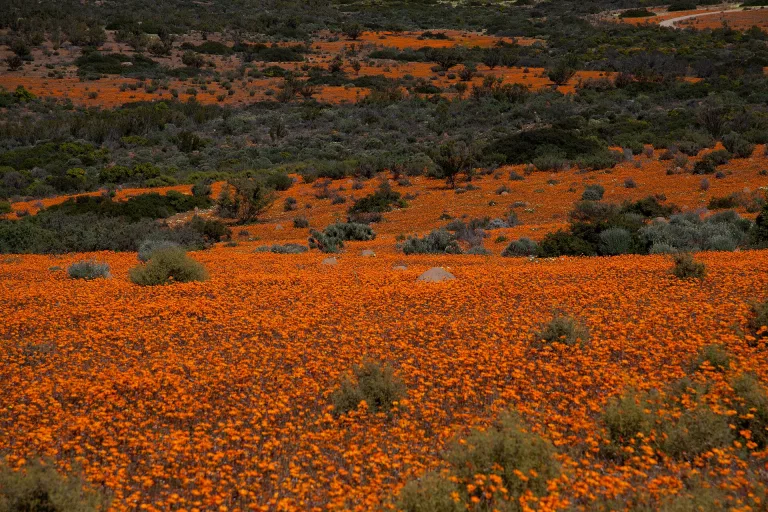
By August, Namaqualand begins its annual transformation. What appears to be a dry, dusty landscape for much of the year can suddenly become a carpet of colour as wildflowers emerge following the winter rains.
Namaqua National Park forms part of the Succulent Karoo biome and is home to an exceptional diversity of plants, including more than 1,000 species found nowhere else in the world. SANParks reported the first blooms of the 2026 season in late July, with flowering expected to reach its peak between mid-August and mid-September, depending on the weather.
The best way to experience it is slowly. Take the circular flower drive, stop at the viewpoints or stretch your legs on the Skilpad and Korhaan trails. For photographers, sunny days are particularly rewarding, as many of the flowers open fully once temperatures reach around 18°C.
The park’s story is one of conservation as much as scenery. Today it protects an important section of the Succulent Karoo, allowing visitors to experience a landscape that changes dramatically with the seasons.
Why go now: The flowers are fleeting, and the 2026 display is already underway. Visit in the coming weeks for the best chance of catching Namaqualand at its most colourful.
West Coast National Park, Western Cape
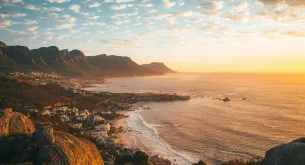
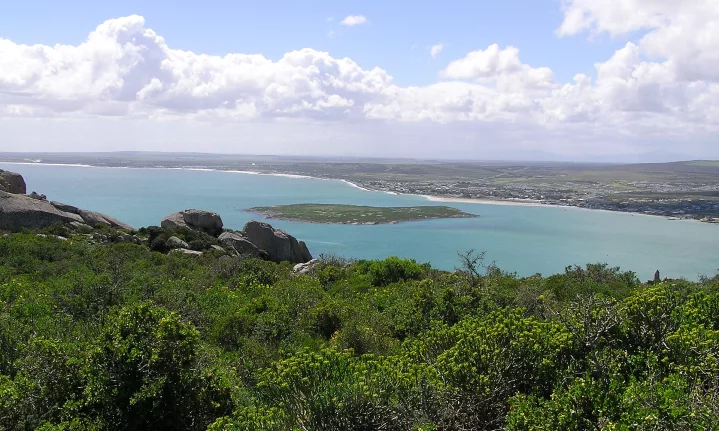
The West Coast is another place where winter quietly gives way to spring. From August to September, the park’s sandy plains and fynbos burst into flower, with particularly impressive displays around Postberg and Seeberg/Mooimaak.
For 2026, the Postberg section opened on 1 August and remains open until 30 September, giving visitors a limited window to explore an area that is only accessible during flower season.
Do not rush it. Spend the day driving through Postberg, stopping for photographs and keeping an eye out for game moving through the flowers. The park also offers beaches, lagoon views, birding and walking trails, making it easy to turn a flower-viewing trip into a proper West Coast escape.
The park was declared in 1985 and has since become an important conservation area around the Langebaan Lagoon. Its seasonal flower display has become one of the region’s major attractions, but the landscape is worth visiting beyond the blooms too.
Why go now: The flowers are at their seasonal peak, and Postberg is only open to the public for this short window each year.
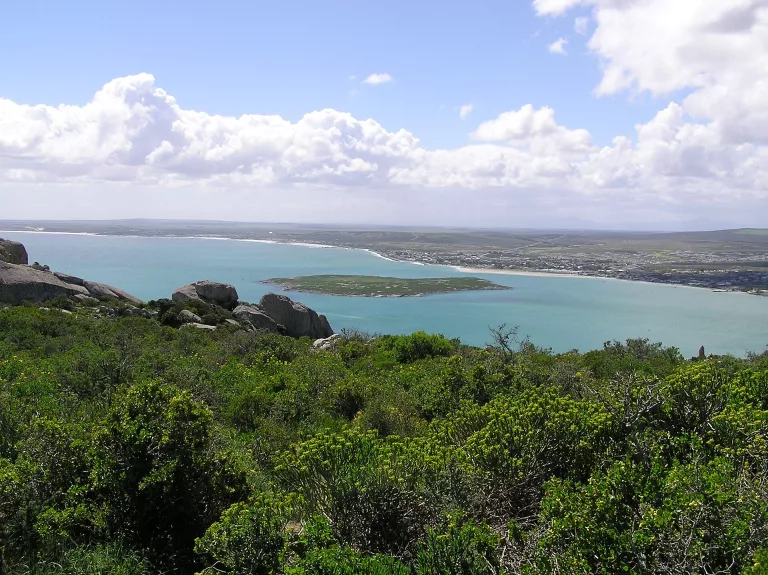
Photo by Winfried Bruenken / Wikimedia Commons
Hermanus, Western Cape
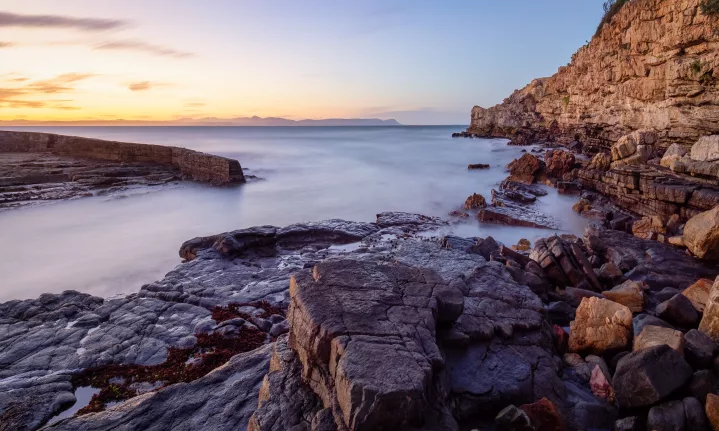
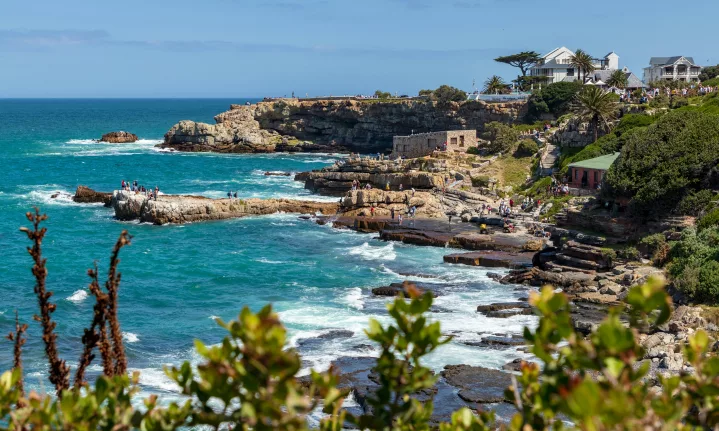
There are few better places to watch winter make way for spring than from a cliff overlooking Walker Bay.
Southern right whales arrive along the South African coast from around June and July, with August and September forming part of the peak season in Hermanus. The whales come to the sheltered waters of Walker Bay to mate and calve, making this one of the country’s best times for marine wildlife viewing.
You do not need a boat to see them. Hermanus’s 12km Cliff Path provides a series of viewpoints along the coastline, while Gearing’s Point, the Old Harbour and several lookout points offer good places to settle in and scan the bay. Boat trips, kayaking and scenic flights provide another perspective for those wanting to get closer to the action.
Hermanus began as a small settlement around a freshwater spring and was originally known as Hermanuspietersfontein before the name was shortened to Hermanus in 1902. Its transformation into a popular coastal destination has since been closely tied to the natural beauty of Walker Bay.
Why go now: August and September places you in the middle of whale season, when the chances of spotting mothers and calves make a coastal weekend particularly memorable.
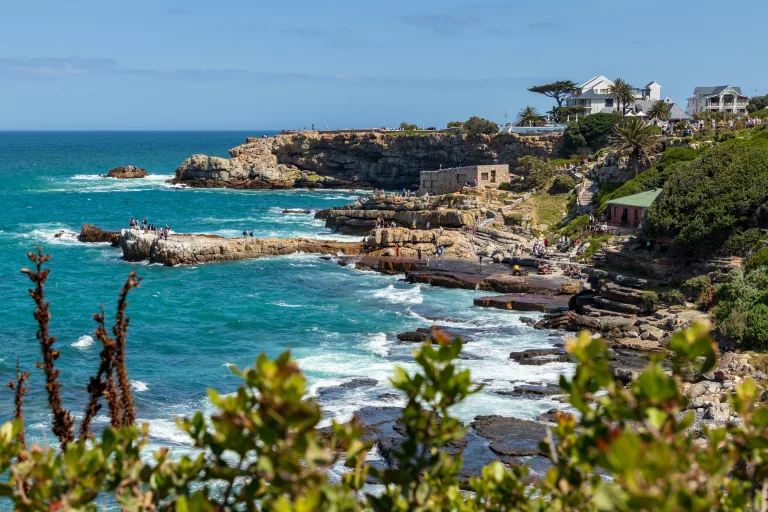
Photo by Grant Durr / Unsplash
Kruger National Park, Limpopo and Mpumalanga
If your idea of winter involves a game drive rather than a flower field, head north.
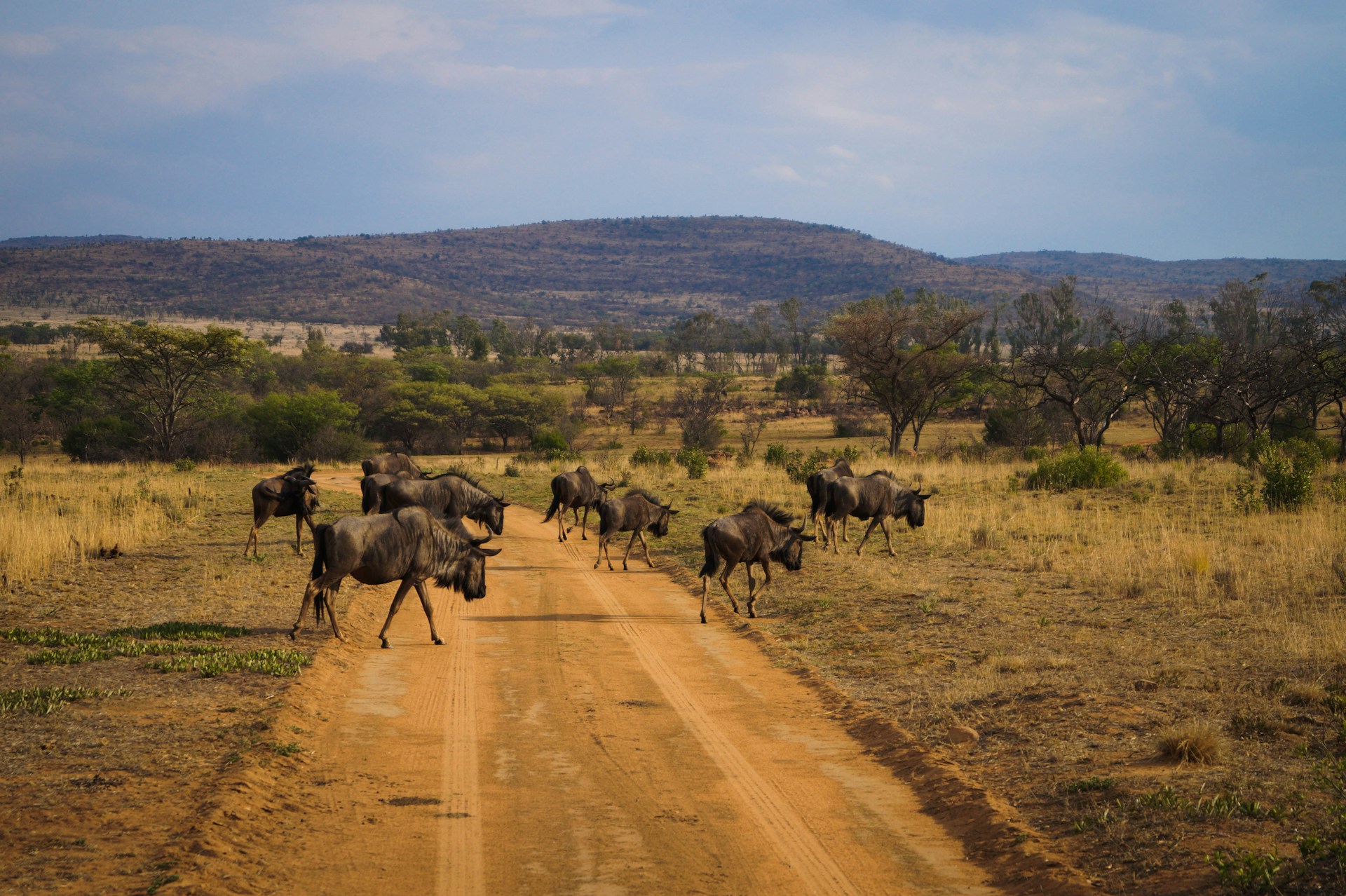
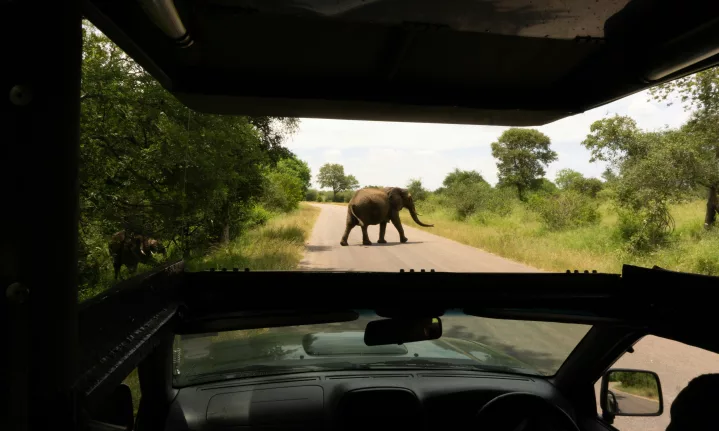
April to September is Kruger’s dry season, bringing warm days, cold nights and thinner vegetation. With less water available in the bush, wildlife tends to concentrate around rivers and waterholes, making animals easier to spot. SANParks describes winter as traditionally the best period for game viewing.
This is the season for early morning drives, long afternoons beside waterholes and evenings wrapped in something warm around the campfire. The Big Five are among the wildlife you can encounter, while the park’s extensive birdlife makes it rewarding for keen birders too.
Kruger has been at the heart of South Africa’s conservation story for more than a century. The Sabie Game Reserve, established in 1898, became one of the foundations of today’s park. In 1926, it was merged with the Shingwedzi Game Reserve to form Kruger National Park.
Why go now: The bush is dry, visibility is better and animals are more likely to gather around reliable water sources. It is one of the best times of year to focus on wildlife.
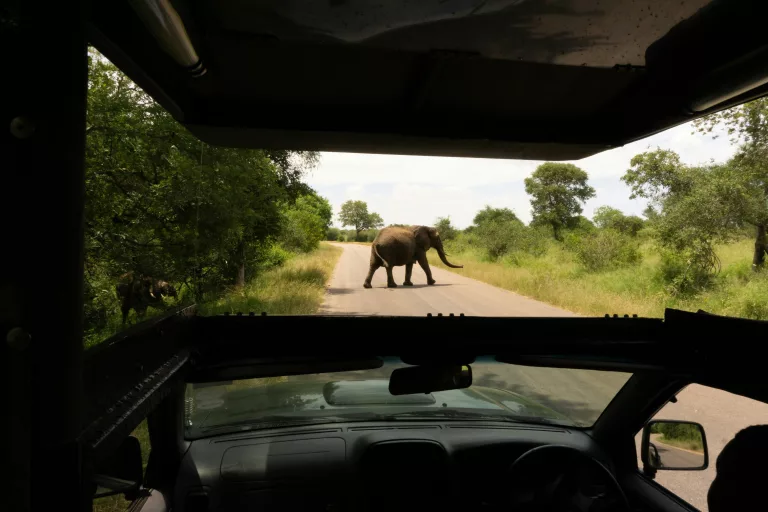
Photo by Theo Topolevsky / Unsplash
Golden Gate Highlands National Park, Free State
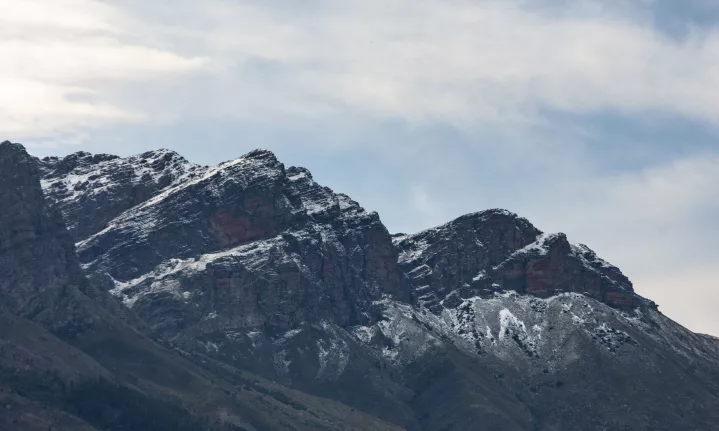
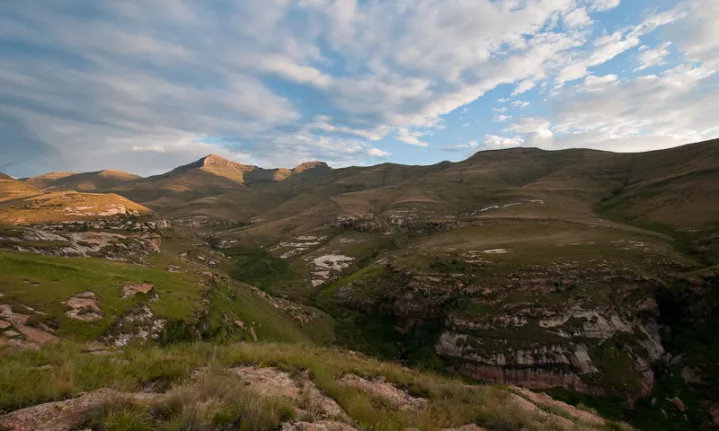
For those who are not quite ready to surrender winter, Golden Gate Highlands National Park offers one last opportunity to embrace it. The park sits in the foothills of the Maloti Mountains, where winter temperatures can drop as low as -9°C to -15°C. Snow is a regular occurrence, although there is never a guarantee that a particular weekend will turn white.
Even without snow, the landscape is reason enough to visit. Golden sandstone cliffs glow in the changing light, while hiking trails, viewpoints and dramatic mountain scenery make the park ideal for a slower winter escape.
The name Golden Gate comes from the golden glow that falls across the sandstone cliffs in the late afternoon. The area was proclaimed a national park in 1963 and has since grown into an important protected area for the Free State’s grassland landscape.
Spend the day hiking, exploring the park’s viewpoints or simply driving through the mountains. For a deeper look at the region’s heritage, the park also contains San rock art and sites connected to its more recent history.
Why go now: The temperatures are still properly wintry, the mountain scenery is at its most dramatic and there is always the possibility of waking up to snow.
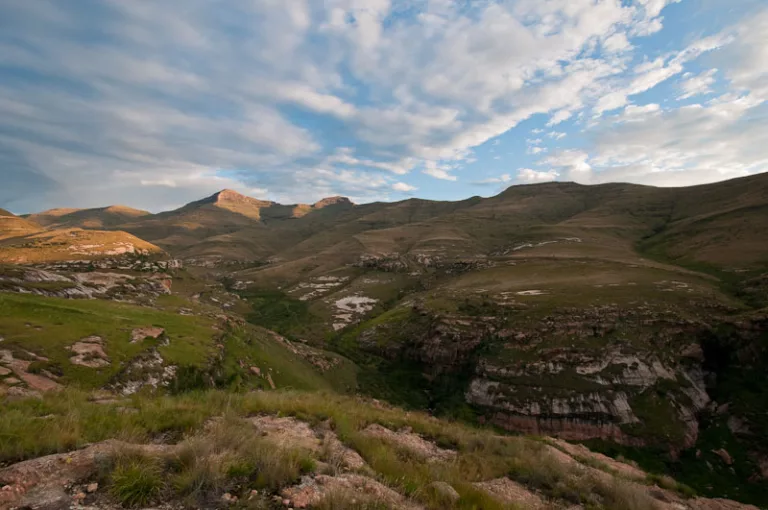
Photo by Pavel Tcholakov / Wikimedia Commons
One last winter weekend
There is no single way to experience the end of winter in South Africa. It might mean standing among wildflowers in Namaqualand, watching a whale breach off Hermanus, following elephant tracks through the dry Lowveld or waking up to frost beneath the sandstone cliffs of Golden Gate.
That is the beauty of travelling at this time of year. Winter may be ending, but across the country, some of its best experiences are only just beginning.
Follow us on social media for more travel news, inspiration, and guides. You can also tag us to be featured.
Instagram | Facebook | Twitter | Spotify
ALSO READ:
What’s in season? Your guide to travelling South Africa in August