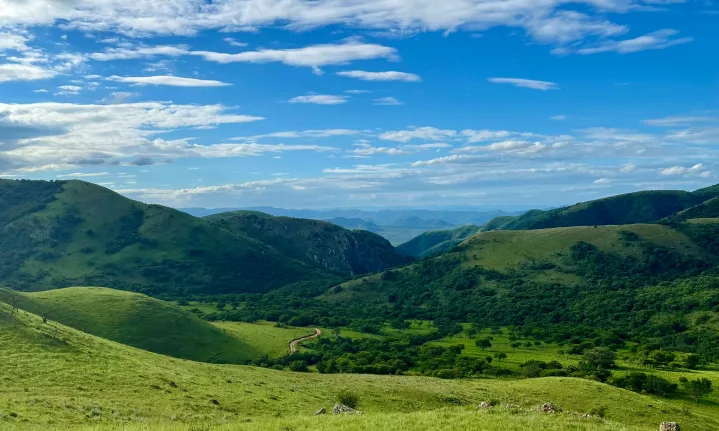
There are places in South Africa where history feels as though it has been carefully preserved behind glass. Barberton Mpumalanga is not one of them. Here, the past is woven into the streets, mountains and old mining landscapes, and it does not take much imagination to picture the prospectors who once arrived hoping to strike it rich.
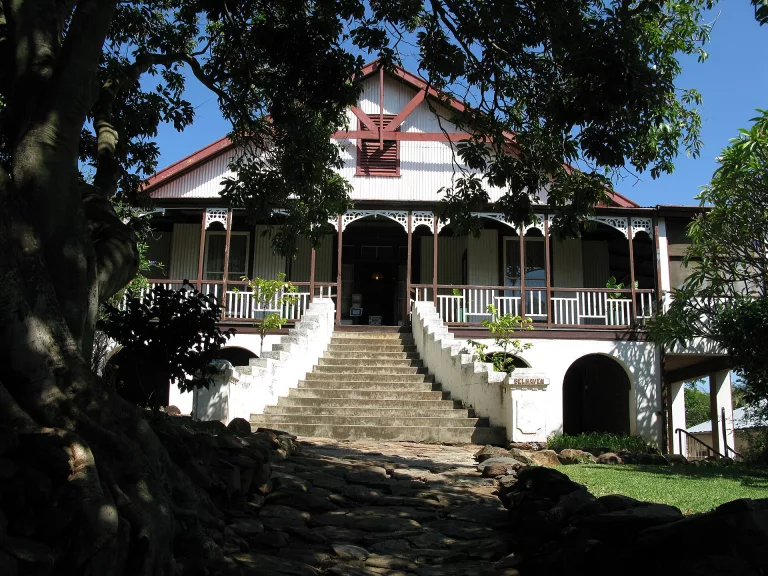
Image by Atoom / Wikimedia Commons
Today, Mpumalanga’s historic gold-rush town offers a different kind of treasure. Beyond its mining heritage, Barberton sits on the edge of the Barberton Makhonjwa Mountains, home to some of the oldest and best-preserved rocks on Earth. It is a place where a weekend can take you from the story of South Africa’s gold rush to a landscape that records events from billions of years ago.
A town built on gold
Barberton Mpumalanga’s story began before the town itself existed. In 1874, prospector Tom McLachlan found traces of alluvial gold in the area. A decade later, Henry Barber and his cousin Fred discovered gold-bearing reefs, and Barberton was named after Henry Barber in July 1884.
The discovery transformed the area almost overnight. Prospectors and fortune seekers arrived in large numbers, turning Barberton into one of the Transvaal’s great gold-rush settlements. The town developed hotels, shops, newspapers and financial institutions, including a gold exchange opened in 1887. A railway reached Barberton in 1893, further connecting the booming mining town with the outside world.
The boom was relatively short-lived, but its imprint remains. Many of the town’s historic buildings and landmarks form part of the Barberton Heritage Walk, which follows the streets and buildings that tell the story of its gold-rush years.
It is worth slowing down here. Barberton is not somewhere to rush through on the way to another attraction. Walking its historic streets gives context to everything beyond them.
Follow the gold
To understand Barberton properly, follow the story beyond the town centre.
Gold mining has continued in the area for more than a century, with historic operations including Sheba Mine. The Barberton region’s mining landscape is closely tied to the town’s identity, and the remains of old workings offer a glimpse into the difficult conditions in which early miners searched for their fortunes.
One of the most evocative sites is Bray’s Golden Quarry, associated with Edwin Bray’s discovery in 1885. The discovery helped transform Barberton from a mining camp into a booming gold-rush town.
For visitors interested in the mining story, guided experiences around the historic workings and gold-panning activities provide a more tangible connection to Barberton’s past. These experiences are particularly worthwhile because the story is not simply about how much gold was found. It is about the people, businesses and communities that grew around the mines.
Then look down at the rocks
The real surprise of Barberton comes when you realise that the area’s most extraordinary story is considerably older than the gold rush.
The Barberton Makhonjwa Mountains form part of the Barberton Greenstone Belt and contain a remarkably well-preserved sequence of volcanic and sedimentary rocks dating from roughly 3.6 to 3.25 billion years ago. UNESCO describes the area as one of the world’s oldest and best-preserved geological records, offering evidence of the conditions on Earth during its early development.
The Barberton Makhonjwa Mountains were inscribed as a UNESCO World Heritage Site in 2018. The 113,137-hectare property contains hundreds of geosites, making the landscape an enormous outdoor record of early Earth processes, including volcanism, meteorite impacts, the development of continents and the environments in which early life emerged.
It is a slightly surreal thought when you are standing there. The rocks beneath your feet existed long before humans, cities or even the familiar world we know today.
Take the Geotrail
The best way to experience this geological story is along the Barberton Makhonjwa Geotrail.
The route stretches for about 37km between Barberton and the Josefsdal border area, following the R40 through the mountains. It is a self-drive route with designated viewing sites and interpretation panels explaining the geology and history of the landscape.
This is not the kind of attraction where you simply drive from A to B. Stop along the way. Read the interpretation boards. Take in the changing landscape. Give yourself enough time to understand what you are looking at.
For a deeper experience, guided tours are available and can add context to the geology that is difficult to appreciate from the roadside alone.
The combination of scenery and science is what makes the Geotrail particularly special. You are not simply looking at an attractive mountain landscape. You are looking at exposed evidence of a very different Earth.
Explore Barberton’s quieter side
The town’s heritage is not confined to mining.
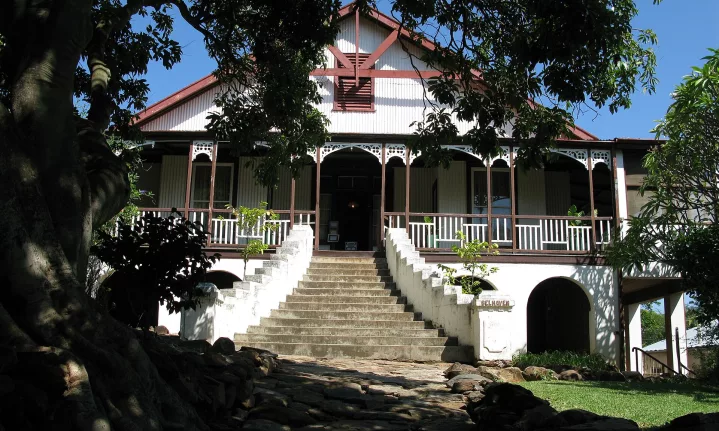
The Barberton Museum and Belhaven House Museum offer further insight into the area’s history, while the Heritage Walk links a number of historic sites through the town.
Beyond the built environment, the surrounding mountains and nature reserves provide opportunities to experience the landscape itself. The Barberton area is recognised for its biological diversity as well as its geological importance, with the Barberton Mountain Land forming part of a region of significant plant diversity.
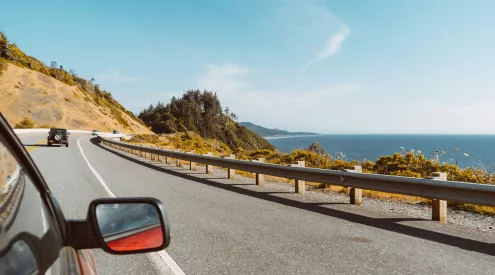
For travellers who prefer scenic drives to packed itineraries, the surrounding mountain roads are reason enough to linger. The route through the Makhonjwa Mountains offers dramatic views, while the wider area provides opportunities for hiking, birding and nature-based experiences.
Why Barberton belongs on your travel list
Barberton works because it offers something that is increasingly difficult to find: a destination where the landscape and the human history are inseparable.
You can spend the morning following the footsteps of gold prospectors, pause over stories of the town’s boom years and then drive into mountains containing rocks that formed billions of years before the first humans walked the planet. That contrast is what makes Barberton worth the detour.
It is easy to think of a gold-rush town simply as a chapter in South Africa’s mining history, but Barberton is more complicated than that. Its gold built a town, while its ancient rocks give it significance far beyond the gold that first put it on the map.
And perhaps that is the best reason to visit. Come for the gold-rush stories, stay for the mountains, and leave with a much bigger sense of time than you arrived with.
Barberton may have been built by people chasing gold, but today its greatest treasures are written into the landscape itself.
Follow us on social media for more travel news, inspiration, and guides. You can also tag us to be featured.
Instagram | Facebook | Twitter | Spotify
ALSO READ:
Things to do in Uniondale: Ghost stories, hiking, scenic drives and more