Francistown is often treated as a stopover on the way to Botswana’s northern safari destinations. Stay for 48 hours, though, and a different side of the country emerges.
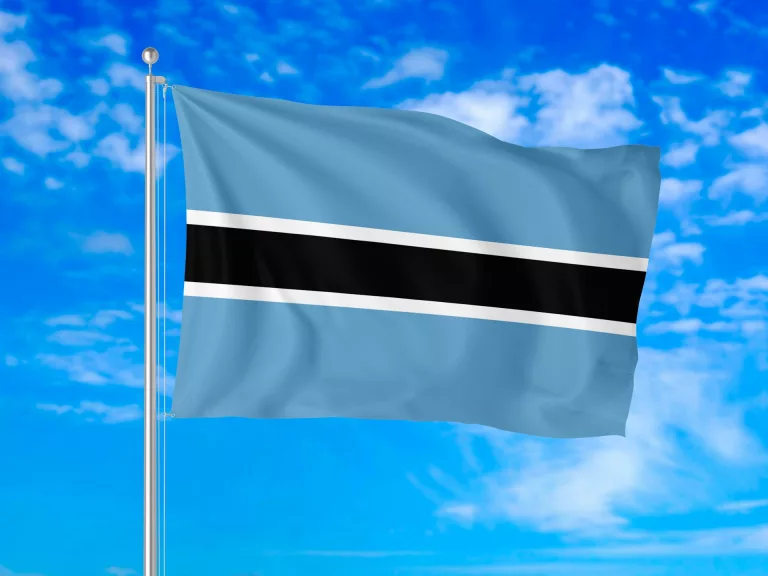
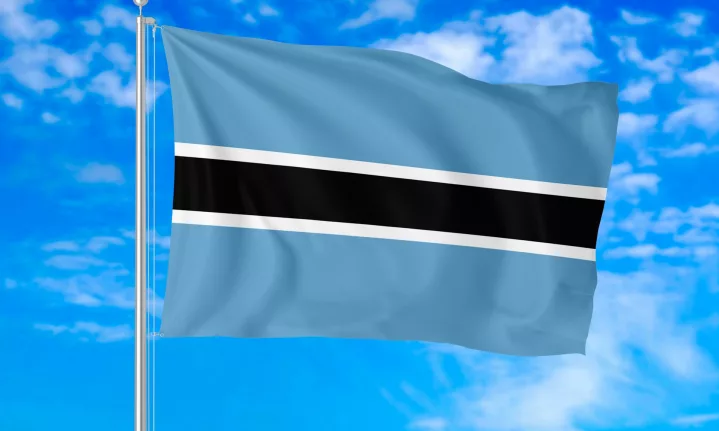
Image used for illustrative purposes/Ayush Design/Unsplash
Shaped by gold mining, railway heritage and Kalanga culture, the city offers local food, crafts, music, history and nearby nature — a chance to experience Botswana beyond the safari circuit.
Day one: discover the city behind the gold rush
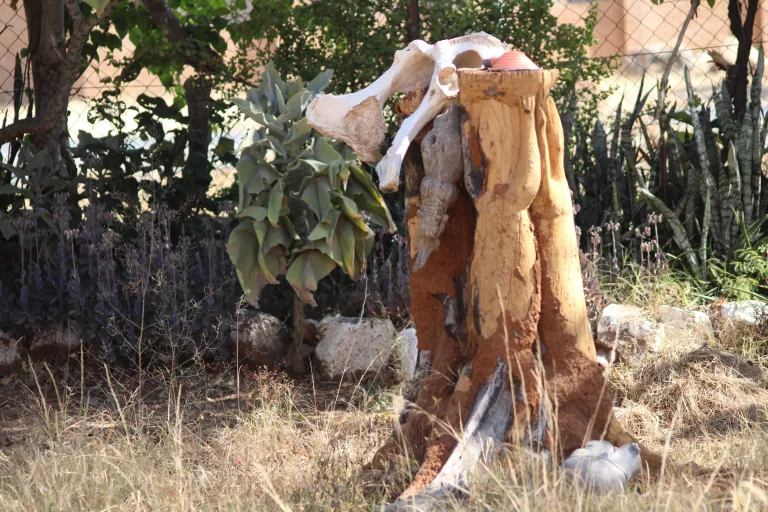
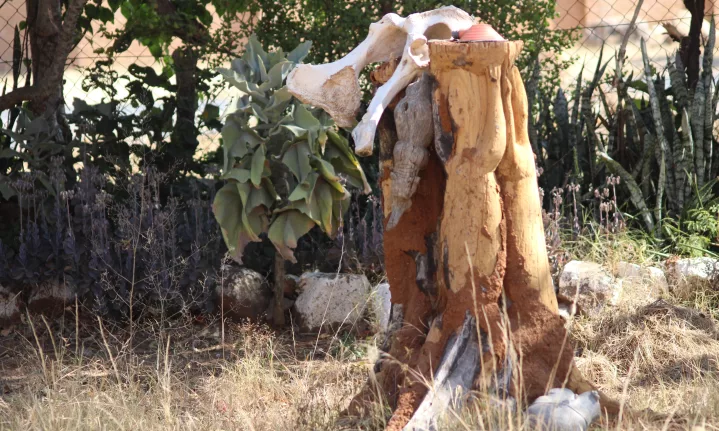
Historical animal remains at Supa Ngwao Museum Francistown/Mompati Dikunwane/Wikimedia Commons
Start at the Supa Ngwao Museum
Begin the morning at the Supa Ngwao Museum, one of the best places to understand Francistown before exploring it on foot.
The museum focuses particularly on the history and culture of the Kalanga people, with collections that include pottery, woodcarvings, basketry and musical instruments. Its craft shop sells handmade work produced by craftspeople from Francistown and surrounding areas, making it a useful place to learn about the region while supporting local artisans.
The name Supa Ngwao means “to show culture” in Setswana, an appropriate introduction to a city whose history is considerably broader than its gold-mining reputation.
If time allows, ask about a guided walking tour. The museum acts as an information centre for Francistown and offers tours covering important historical sites around the city.
Follow the city’s gold story
Francistown’s story is inseparable from gold.
The city’s modern history developed around the gold rush, with prospectors arriving from different parts of the world. Daniel Francis, the British prospector after whom the city was named, acquired prospecting licences in the region in 1869. Botswana Tourism notes that some of the early European prospectors even used ancient mining shafts as landmarks, or continued working shafts that had been dug generations earlier.
That detail is worth remembering while exploring the city. Francistown’s gold story did not begin with European prospectors.
The wider region had a much older mining history, and the modern gold rush eventually transformed Francistown into a meeting point for people, businesses and cultures. Government officials now describe this history as one of the city’s major tourism assets.
Rather than looking for a single attraction that explains everything, explore the streets and surviving structures as pieces of a larger story.
Take a heritage walk through the centre
Francistown is particularly interesting when viewed as an urban heritage landscape.
The city tourism initiative has identified old mining cottages, historic buildings, liberation-era sites and other structures as part of a broader heritage story. Plans to develop and signpost a formal heritage trail are also progressing, with the city’s mayor saying in 2026 that documentation of the trail had been completed and directional and informational signage was planned.
This makes a walking tour more than a stroll through an old city centre. It becomes a way of connecting Francistown’s different eras: the gold rush, colonial administration, railway development, labour migration and the modern city.
Look out for the older architecture and places of worship that reflect the different communities that settled here. Recent government coverage has described Francistown as a multicultural meeting place where African, global, traditional and modern influences have overlapped for generations.
Stop for a local lunch
Lunch is a good opportunity to experience Francistown as a living city rather than a collection of historical attractions.
The city has a broad restaurant scene, but the more interesting approach for a traveller is to look beyond familiar international chains and seek out Botswana dishes and locally influenced cooking.
Try staples such as seswaa, pap and grilled meat where available, or ask locals about family-run restaurants and informal food spots. Francistown’s food culture reflects the same diversity found in its history, with traditional dishes sitting alongside Indian, European and other influences. Recent Botswana government reporting has specifically identified food and multicultural cuisine as part of the city’s tourism appeal.
The point isn’t to turn lunch into another checklist item. Take your time, order something unfamiliar and let the meal become part of the experience of the city.
Follow the railway
By the afternoon, turn your attention to another force that changed Francistown: the railway.
Rail transport played an important role in the city’s development, connecting Francistown with regional trade and helping establish it as an important commercial centre. Botswana Railways describes the railway as a major catalyst for mining, urban development, commerce and trading activity along its route.
The railway also brought people into the city. Botswana’s government has described Francistown’s railway lines as carrying labour, stories and remittances while helping turn the settlement into a meeting place of different cultures.
Today, the railway is best understood as part of the city’s living landscape rather than simply an attraction to tick off.
It helps explain why Francistown became such an important commercial centre in the first place.
Spend the evening with Francistown’s contemporary culture
By evening, put the history books aside.
Francistown has an active cultural scene that includes music, arts, festivals and food. In 2026, the Motse Wa Setso Cultural Festival brought together musicians, cultural groups, food and storytelling in a celebration of Botswana’s heritage.
Events will depend on when you visit, so check local listings rather than assuming a festival will coincide with your trip.
Even without a major event, seek out a local restaurant, live-music venue or cultural gathering. The city’s appeal lies partly in seeing how its history continues to influence contemporary life.
ALSO READ:
Day two: nature, culture and an older Botswana
Start the morning at Tachila Nature Reserve
Francistown may be a city, but you don’t need to abandon Botswana’s natural side.
Tachila Nature Reserve sits just outside Francistown and covers roughly 8,000 hectares. The reserve offers opportunities for wildlife viewing, hiking and birdwatching, giving visitors a taste of Botswana’s natural environment without committing to a multi-day safari.
Make this an early start, particularly if you’re visiting during warmer months. A morning in the reserve also creates a useful contrast with the previous day’s urban exploration.
Instead of waking up in a safari camp, you’re starting your second day on the edge of a Botswana city.
That is precisely the point.
Return to the city for a slower afternoon
After Tachila, head back into Francistown and leave some space in the itinerary.
Browse craft shops, look for local artwork or revisit the museum if you want more time with its collections. The Supa Ngwao Museum’s craft shop is particularly useful for travellers looking for locally made souvenirs, with its sales supporting craftspeople in the surrounding communities.
You could also use this time to explore the city’s shopping areas and everyday streets rather than rushing towards another major attraction.
Francistown rewards curiosity.
Its appeal is found as much in the spaces between the formal attractions as in the attractions themselves.
Make Domboshaba your optional final excursion
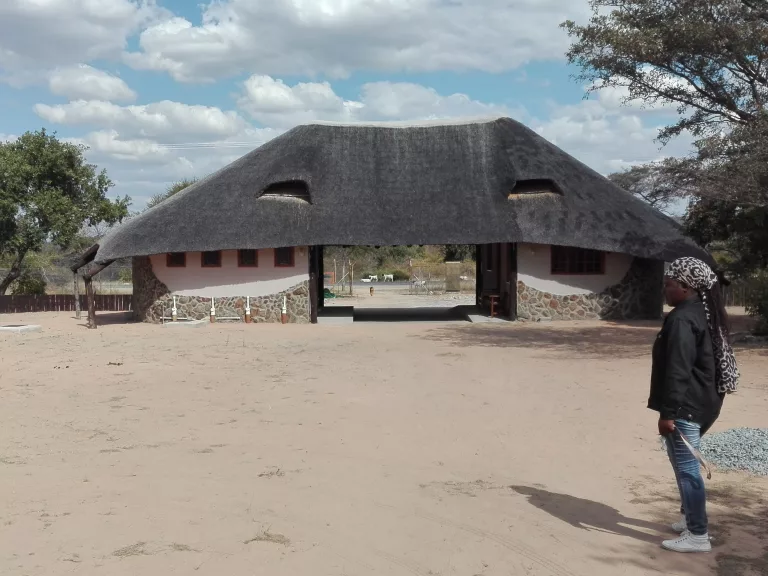
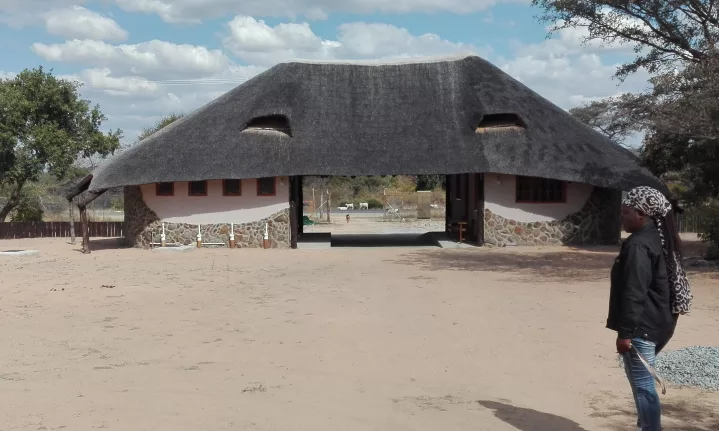
entrance of Domboshaba Monument(Gate house)/Mompati Dikunwane/Wikimedia Commons
If you have access to a car and want to extend the history beyond Francistown, consider a trip to Domboshaba.
The stone ruins lie outside the city and offer a glimpse into the much older history of north-eastern Botswana. Botswana Tourism describes Domboshaba as an easy return day drive from Francistown and a site that provides insight into one of the region’s ancient societies.
The ruins add an important dimension to the trip.
Francistown’s gold rush and railway stories can make the city seem relatively young, but the landscapes around it have been inhabited and shaped by people for centuries.
For travellers interested in Kalanga history, Domboshaba is especially significant. The site is also associated with the annual Domboshaba Cultural Festival, which celebrates Kalanga heritage through traditional culture and arts.
If your 48 hours are strictly city-based, save Domboshaba for another trip. If you’re driving through the region, however, it is one of the most worthwhile ways to deepen the historical story.
Why Francistown deserves more than a stopover
Francistown isn’t Botswana’s answer to the Okavango Delta, and it doesn’t need to be.
Its appeal comes from something different.
This is a city where gold-mining history, railway heritage, Kalanga culture, contemporary arts, food and nearby nature overlap. Botswana’s new city tourism push is deliberately trying to turn Francistown from a transit point into a destination in its own right.
That shift makes sense.
A safari can show you Botswana’s extraordinary landscapes and wildlife, but a stay in Francistown reveals another side of the country: the streets where communities grew, the railway that connected regions, the cultures that survived and evolved, and the modern city trying to turn its history into a reason for travellers to stay longer.
Give Francistown two days and Botswana starts to look different.
Follow us on social media for more travel news, inspiration, and guides. You can also tag us to be featured.
Instagram | Facebook | Twitter | Spotify
ALSO READ:
72 hours in Namibia’s Erongo region: rock art, wildlife and granite mountains