


It looks like a hyena. It eats termites. And it may be one of the most specialised predators on South Africa’s grasslands.
Dkaeuferle/Wikimedia Commons
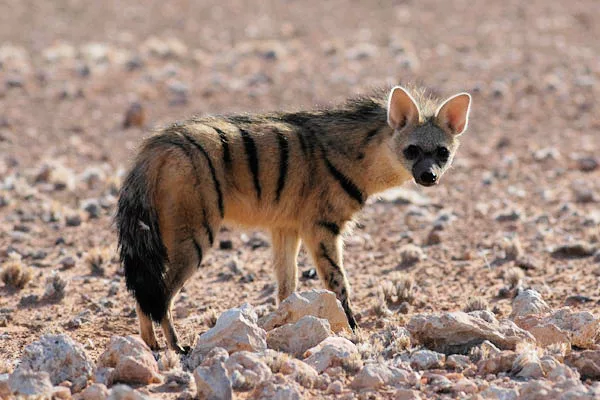
The aardwolf is one of Africa’s more unusual carnivores, yet it rarely receives the attention given to lions, leopards, cheetahs and its larger hyena relatives. At first glance, it is easy to mistake this slender, striped animal for a small hyena. Look closer, however, and almost everything about its lifestyle tells a different story.
Aardwolves belong to the hyena family, but they have taken a remarkably different evolutionary path. While spotted and brown hyenas are equipped to tackle meat, carrion and even bones, the aardwolf has developed a diet centred almost entirely on termites.
The hyena that eats termites
The aardwolf’s scientific name, Proteles cristata, hints at its distinctive appearance. It has a long muzzle, large ears, a sloping back and a mane running along its neck and back. Its striped coat provides camouflage among grasses and shrubs, while its front feet have strong claws suited to digging.
Its most remarkable adaptation, however, is its mouth. Aardwolves have reduced cheek teeth compared with other hyenas because they do not need the heavy-duty dental equipment required to tear flesh or crush bones. Their jaws and teeth reflect a very different way of life. Instead of pursuing large prey, they use a long, sticky tongue to collect termites, particularly harvester termites.
An aardwolf can consume thousands of termites in a single night. It generally avoids destroying the entire colony, allowing the food source to remain available for future feeding. This is dietary specialisation at an extreme level. The aardwolf has effectively carved out a niche where it faces far less competition from Africa’s larger carnivores.
Follow the termites
Termites are important components of grassland and savanna ecosystems. Their colonies influence soil structure and nutrient cycling, while their activity interacts with vegetation and a wide range of other organisms. They are themselves part of a much larger food web, supporting reptiles, birds, mammals and other predators.
The aardwolf sits within this network as a highly specialised termite feeder. That makes its story about more than one strange-looking carnivore. It is also a reminder that ecosystems are built from countless relationships that are easy to overlook. Soil supports plants, plants support insects, and insects support animals such as aardwolves. Change one part of that system and the effects can extend much further than expected.
A specialist of the grasslands
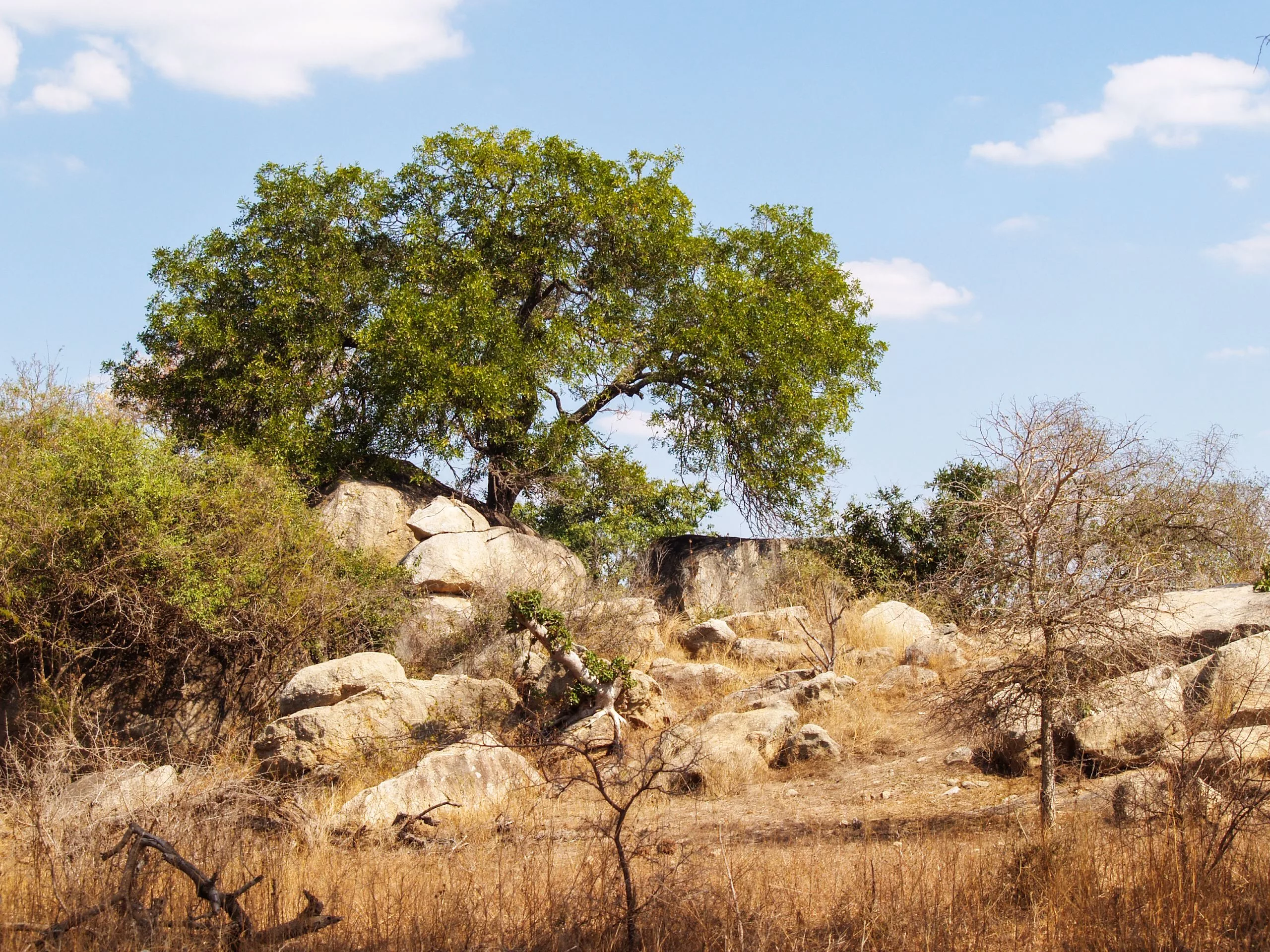
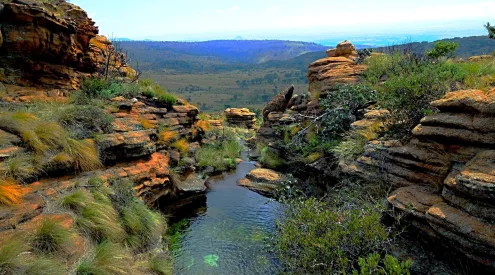
Aardwolves are strongly associated with open habitats, including grasslands and savanna. In South Africa, their distribution includes parts of the Free State, Eastern Cape, Northern Cape and other suitable regions. Their reliance on these landscapes gives the species an interesting place in the conservation conversation.
South Africa’s grasslands face pressures from agriculture, development, habitat fragmentation and changes in land management. Fire and grazing are natural and important processes in many grassland systems, but changes in their frequency, timing or intensity can alter vegetation and the wider ecological community.
For a specialised animal such as the aardwolf, maintaining suitable habitat also means maintaining the ecological conditions that support its food. This does not mean that every aardwolf population is automatically a measure of grassland health. Rather, the species offers an intriguing lens through which to consider what happens when highly specialised animals depend on increasingly modified landscapes.
The overlooked predator
There is something refreshing about the aardwolf’s version of being a predator. Its advantage lies in doing one thing exceptionally well. That is an important lesson for conservation. Protecting wildlife is often associated with charismatic megafauna, but functioning ecosystems also depend on smaller, stranger and less celebrated species. Aardwolves demonstrate how evolution can produce an animal perfectly adapted to a very specific resource.
Their existence also challenges the idea that predators need to be formidable hunters. Predation can take many forms. Sometimes it looks like a leopard stalking through woodland. Sometimes it is a slender, striped hyena quietly moving through the grass after dark and feeding on termites.
Where to see an aardwolf
For wildlife enthusiasts, spotting an aardwolf can be a very different experience from ticking off the Big Five. The animals are predominantly nocturnal, so sightings require patience and a little luck.
Potential places to investigate include Kgalagadi Transfrontier Park, Mountain Zebra National Park, Karoo National Park and Mokala National Park, as well as suitable private reserves and conservation areas across South Africa’s grassland and savanna regions. Sightings and accessibility can vary, so checking with the reserve or park before travelling is advisable.
After sunset, the grasslands take on a different character. And somewhere among them may be one of South Africa’s strangest predators, quietly doing what it has evolved to do best: following the termites.
Follow us on social media for more travel news, inspiration, and guides. You can also tag us to be featured.
Instagram | Facebook | Twitter
ALSO READ:
Scientists discover new wild cat species in Bolivia in more than a century