



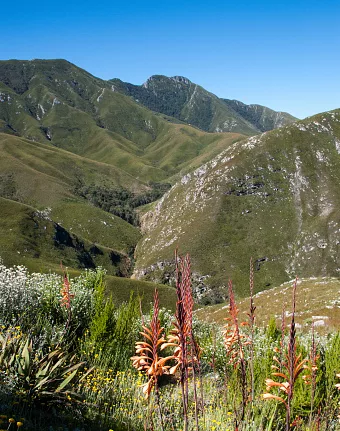
Spring in South Africa is often associated with carpets of wildflowers, but the season brings plenty of other changes to the country’s landscapes. Forests become greener, wetlands fill with birdlife, mountain trails become inviting, and whales return to the coastline.
From the misty mountains of Limpopo to the wetlands of Mpumalanga and the forests of the Eastern Cape, these destinations offer a different way to experience spring without planning your trip around a flower hotspot.
1. Hogsback, Eastern Cape

Bridal Veil Falls/Lesley J Turner/Wikimedia Commons
Walk through ancient forests and past waterfalls
High in the Amathole Mountains, Hogsback is surrounded by indigenous Afromontane forest, mountain streams and waterfalls. It is a destination where spring is best experienced on foot, with numerous trails leading through the forest and into the surrounding mountains.
The Hogsback tourism organisation lists 22 permit-free walks and hikes, ranging from easier walks to more challenging scrambles. Several routes pass through indigenous forests and lead to some of the area’s major waterfalls, including Bridal Veil Falls and Madonna and Child Falls.
Spring is also a good time to spend time outdoors as the landscape begins to wake up after winter. Keep an eye out for birds in the forest, including Cape parrots and Knysna turacos, while the waterfalls and mountain scenery provide plenty of reasons to slow down.
The area has activities beyond hiking too, including horse riding, mountain biking, abseiling and local arts and crafts.
Spring experience: Indigenous forests, waterfalls, mountain walks and birdlife.
2. Wakkerstroom, Mpumalanga
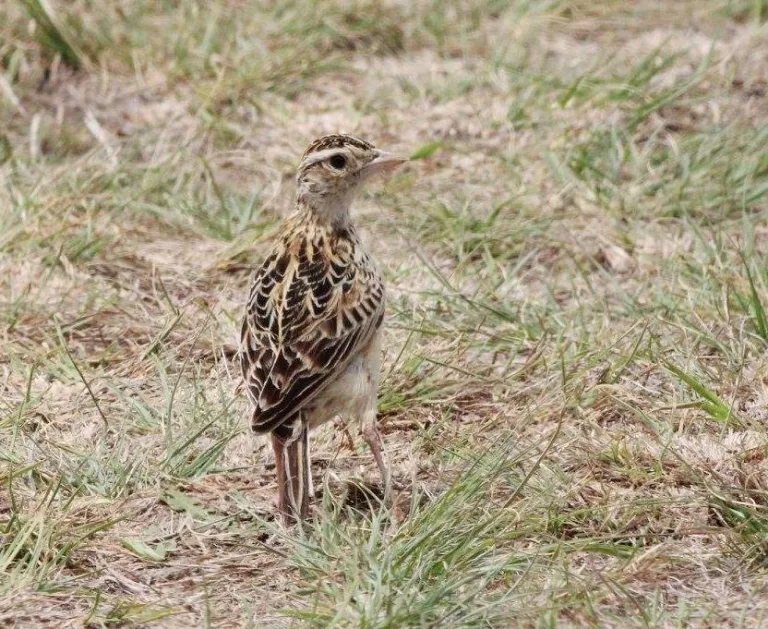
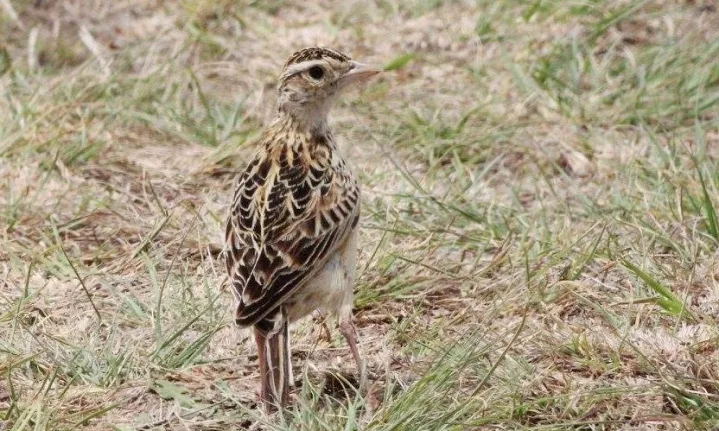
Rudd’s Lark in Wakkerstroom/Maans Booysen, Birding Weto/Wikimedia Commons
Swap flower fields for wetlands and bird calls
Wakkerstroom offers a quieter interpretation of spring, centred around its wetlands and high-altitude grasslands rather than colourful flower displays.
The town is internationally recognised as a birding destination, with more than 350 bird species recorded across its wetlands, grasslands and surrounding habitats. Species of interest include the Southern Bald Ibis and Rudd’s Lark, while the wetlands provide habitat for waterbirds such as African Rail and Marsh Owl.
The Wakkerstroom wetland covers about 700 hectares and is recognised as an Important Bird and Biodiversity Area as well as a Natural Heritage Site.
You do not need to be a serious birder to enjoy the area. Walking trails, bird hides and quiet country roads make it possible to experience the landscape at a slower pace. The WOW bird hides and wetland viewpoints are good places to pause and watch the movement of birds across the water and surrounding grasslands.
Spring also brings longer, warmer days that make it easier to combine birding with walks around the village and surrounding countryside.
Spring experience: Wetlands, grasslands, bird calls and peaceful country walks.
3. Magoebaskloof, Limpopo

Magoebaskloof/South African Tourism/Wikimedia Commons
Explore forests, farms and waterfalls
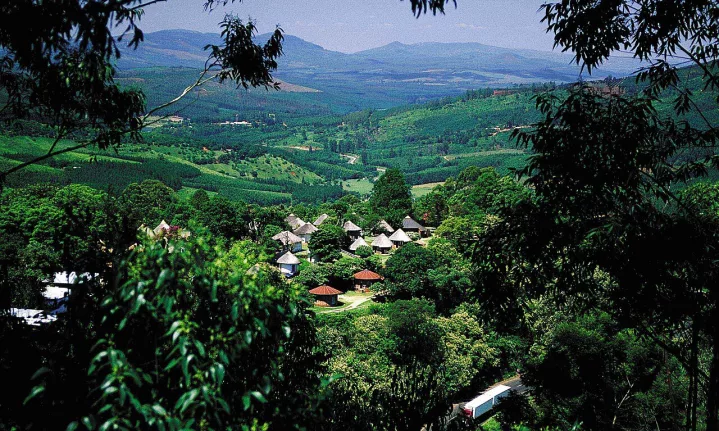
Magoebaskloof is one of South Africa’s lush mountain escapes, with indigenous forests, waterfalls, streams, farms and mountain scenery spread around the Haenertsburg area.
The region’s Woodbush Forest is the largest indigenous forest in Limpopo, while the surrounding mountains are home to clear streams, waterfalls and rich birdlife. The area also has a growing agricultural identity, with avocados, raspberries, blueberries and kiwifruit among the crops grown in its cool mountain climate.
That combination makes Magoebaskloof particularly suited to a spring escape. Spend the morning walking through forest, stop at a farm stall or local food producer and finish the day beside a waterfall or mountain viewpoint.
The region’s tourism association also highlights hiking, birdwatching, horse riding, fishing and scenic drives, alongside farm stalls, restaurants and coffee shops using local produce.
Spring does bring flowers to some of the area’s gardens, including azaleas and cherry blossoms, but you do not need to make them the focus of your visit. The forests, farms and mountain scenery provide their own seasonal experience.
Spring experience: Mountain forests, waterfalls, fresh produce and farm-country scenery.
4. Outeniqua Mountains, Western Cape
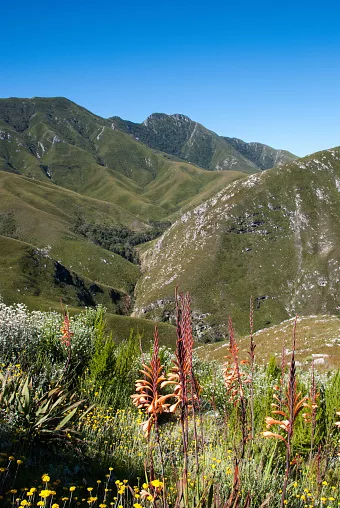
Outeniqua mountain flora with mountain beyond/By: Alec Smith/iStock
See the Cape landscape changing between forest and fynbos
The Outeniqua Mountains offer a different side of spring in the Western Cape. Rather than heading to one of the province’s famous flower-viewing destinations, venture into the mountains where fynbos, indigenous forest and dramatic passes create a varied landscape.
The Outeniqua Nature Reserve lies between the wetter coastal region and the drier Little Karoo. Its vegetation changes across the mountains, with mountain fynbos on the southern slopes and pockets of indigenous forest in the kloofs.
September and October are particularly interesting months here, when proteas and ericas begin flowering. But the appeal is broader than the blooms, with hiking trails, mountain passes, birdlife and changing vegetation providing plenty to explore.
The reserve is also an important water catchment area, adding another layer to a visit. Hikers can explore routes through the mountains while keeping an eye out for fynbos birds such as Cape sugarbirds.
It is a useful option for travellers who want to experience the arrival of spring in the Western Cape without joining the crowds at the province’s most famous flower destinations.
Spring experience: Mountain fynbos, indigenous forest, hiking and changing landscapes.
5. KwaZulu-Natal South Coast
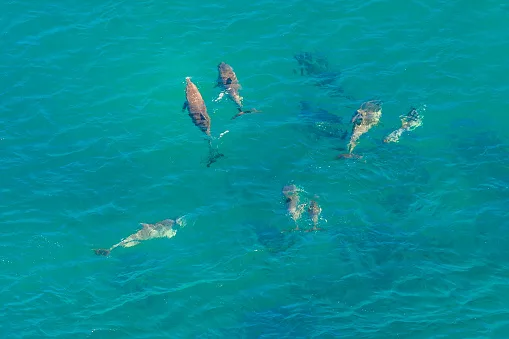
Aerial view of a group of whales in St Lucia/By: bennymarty/iStock
Look beyond the beach for whales and coastal nature
Spring on the KwaZulu-Natal South Coast is not only about warmer days and time beside the ocean. The coastline becomes a good place to watch for whales offshore while the surrounding natural areas provide opportunities to explore beyond the beach.
September to November is regarded as spring on the South Coast, with warmer weather, a gradually warming sea and whales still passing offshore.
The result is a different kind of spring escape: start the day with a coastal walk, watch the ocean for whales and then explore one of the region’s forests, gorges or other natural areas.
The South Coast’s warmer climate also makes spring a comfortable time for outdoor activities before the heat and humidity of summer become more pronounced.
Whale sightings are never guaranteed, so the experience is best approached as a chance to observe the coastline rather than a promise of seeing wildlife on cue.
Spring experience: Whales offshore, coastal walks, warmer weather and natural landscapes.
Experience spring beyond the flowers
South Africa’s spring landscape is much bigger than its famous flower season. From Hogsback’s forests and waterfalls to Wakkerstroom’s wetlands, Magoebaskloof’s farms and forests, the Outeniqua Mountains’ fynbos and the KwaZulu-Natal South Coast’s whale-filled waters, the season offers plenty of ways to get outdoors.
You may still encounter flowers along the way, but they do not have to be the reason for the trip. Sometimes spring is simply about noticing the landscape becoming greener, hearing more birds, spending longer outside and watching wildlife return to the places it calls home.
Follow us on social media for more travel news, inspiration, and guides. You can also tag us to be featured.
Instagram | Facebook | Twitter | Spotify
ALSO READ:
48 hours in the Soutpansberg: Mountains, forests and Venda culture