Seeing a gorilla in the wild is one of Africa’s most extraordinary wildlife encounters, but the experience is about more than getting close to a family in the forest. It depends on protected habitat, conservation teams, local communities and tourism that puts the animals first.
World Gorilla Day, held every year on 24 September, is an opportunity to look beyond the bucket-list experience and consider what responsible gorilla tourism actually means.
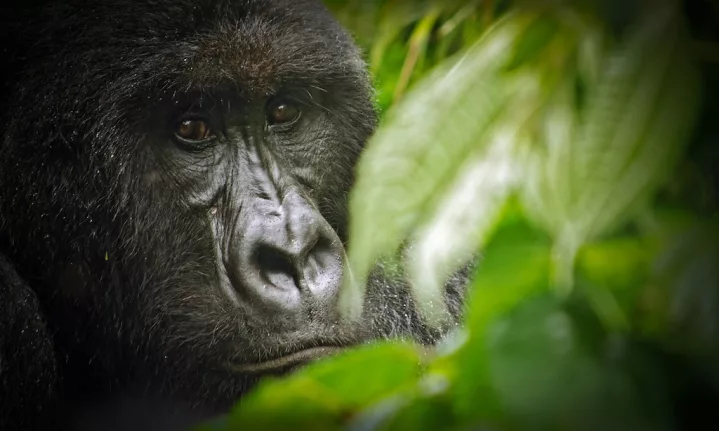
The mountain gorillas of the Virunga Massif are found across Rwanda, Uganda and the Democratic Republic of Congo (DRC), while Uganda’s Bwindi Impenetrable National Park is home to another significant population. Their numbers have increased through decades of conservation work, but mountain gorillas remain endangered and their forest habitat still needs protection.
Here are the main places to consider, and how travellers can help ensure their visit benefits the gorillas rather than simply observing them.
Rwanda: Volcanoes National Park
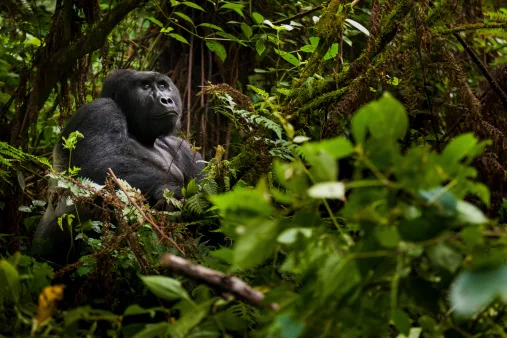
Mountain gorilla in Volcanoes National Park/By: Mint Images – Art Wolfe/Getty Images
A carefully managed gorilla encounter
In northern Rwanda, Volcanoes National Park forms part of the Virunga volcanic range and is one of the best-known places to see mountain gorillas in the wild.
The experience begins with a briefing at the park headquarters in Kinigi before trekkers enter the forest with guides and trackers. The hike can range from a relatively short walk to several hours of steep, muddy forest trekking, depending on where the assigned gorilla family is located.
Once the group is found, visitors are allowed a maximum of one hour with the gorillas. Rwanda limits the number of visitors per habituated group, helping keep encounters relatively small and controlled.
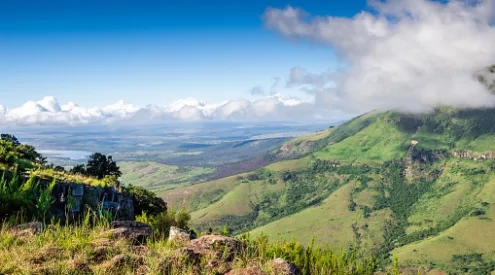
The forest itself is part of the experience. Bamboo, thick vegetation and volcanic slopes create a dramatic setting, while golden monkeys and numerous bird species provide other reasons to explore the park.
Tourism is part of the conservation model
Rwanda has increasingly linked tourism with the protection of its gorillas and the communities living around their habitat.
Revenue from gorilla permits supports conservation and community projects, including efforts to expand and protect gorilla habitat. Rwanda has also announced plans to expand Volcanoes National Park by 23% to provide additional space for the growing mountain-gorilla population.
The country’s annual Kwita Izina ceremony, which celebrates and names newborn mountain gorillas, has become an important symbol of this approach. At the 2026 ceremony in September, 22 baby gorillas were named, with conservationists, communities and tourism stakeholders taking part.
What responsible visitors should do
Rwanda recommends following the Gorilla Friendly Pledge, which includes maintaining physical distance, wearing a face mask and ensuring no waste is left in the forest. Unwell visitors should not trek, as human illnesses can pose a serious risk to gorillas.
Permits currently cost US$1,500 (R24,404.81) per person for international visitors, with special rates available for certain Rwandan and East African Community citizens and residents. The minimum age for gorilla tracking is 15.
ALSO READ:
Uganda: Bwindi and Mgahinga
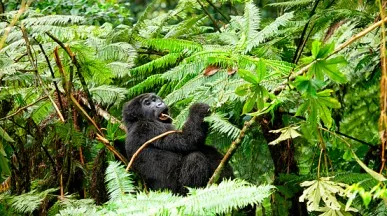
Bwindi Impenetrable Forest in Bwindi Impenetrable National Park/By: Westend61/Getty Images
Bwindi Impenetrable National Park
Uganda offers two places to trek mountain gorillas, with Bwindi Impenetrable National Park being the better-known option.
The ancient forest is divided into four main trekking sectors: Buhoma, Ruhija, Rushaga and Nkuringo. Uganda Wildlife Authority describes gorilla trekking as a moderate-fitness activity that can take between two and seven hours, depending on where the gorilla family is located. Visitors have a maximum of one hour with the habituated group.
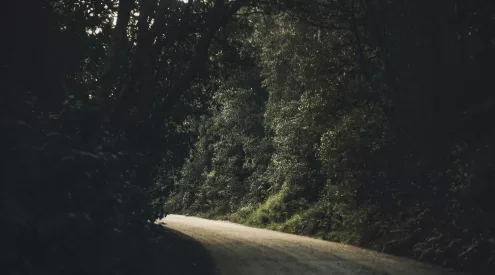
The dense forest means the walk is as much a wilderness experience as a wildlife sighting. Expect steep sections, tangled vegetation and wet conditions, particularly after rain.
Mgahinga Gorilla National Park
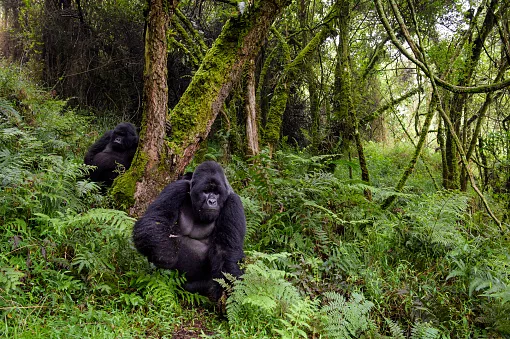
Eastern Gorilla (Gorilla beringei) in Mgahinga National Park/By: Henrik Karlsson/Getty Images
Further south, Mgahinga Gorilla National Park protects part of the Virunga Mountains and offers another opportunity to track mountain gorillas.
The park is smaller than Bwindi and has a more intimate feel, while its location within the Virunga landscape highlights the fact that gorilla conservation crosses modern national borders. Uganda Wildlife Authority says Mgahinga issues about eight gorilla permits per day.
Follow the rules in the forest
Uganda’s gorilla-tracking regulations are particularly clear about responsible behaviour.
Groups are limited to eight visitors per gorilla family, and visits are limited to one hour. Visitors must maintain a distance of at least 10m from the gorillas, cannot use flash photography and should not trek if they have a cold or other infectious illness. Eating, drinking and smoking around the gorillas are also prohibited.
These rules aren’t simply about making the experience pleasant for visitors. Keeping people at a distance and limiting the length and size of encounters helps reduce disturbance and the risk of disease transmission.
Democratic Republic of Congo: Virunga National Park
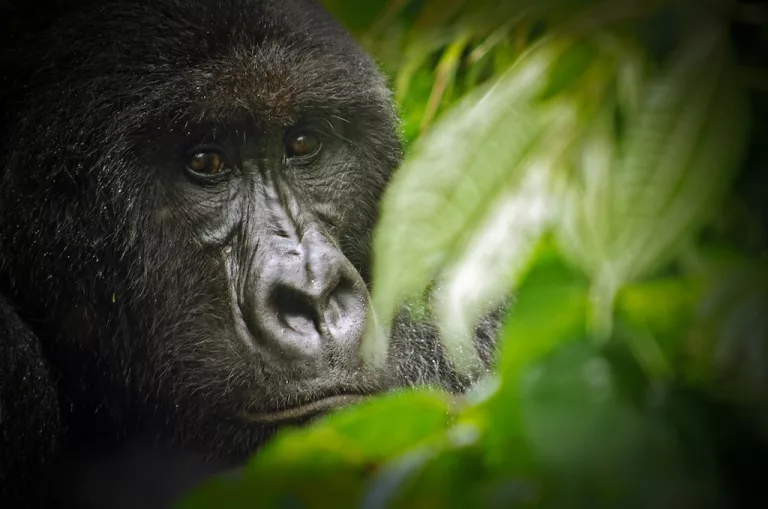
Mountain gorilla at Virunga National Park, Congo/LuAnne Cadd/Wikimedia Commons
A vital gorilla conservation landscape
The DRC’s Virunga National Park is part of the same wider mountain-gorilla landscape shared by Rwanda and Uganda.
Virunga remains an important conservation story. The park says its mountain gorilla population is now estimated at more than 380, compared with 286 recorded during the 2015/16 census. Its teams currently monitor around 265 gorillas across 11 families, with community trackers and rangers working in the gorilla sector.
The park’s conservation work continues despite extremely difficult circumstances. Virunga says more than 800 rangers are involved in protecting the park, while its current World Gorilla Day campaign highlights the challenges of protecting mountain gorillas amid conflict and insecurity.
Why you can’t book a trek here now
There is an important distinction between being a major gorilla conservation destination and being a destination travellers can currently visit for gorilla trekking.
As of 19 September 2026, Virunga National Park’s official visitor site states that gorilla and Nyiragongo treks are closed until further notice.
The current security situation also matters. The UK Foreign, Commonwealth & Development Office advises against all travel to North Kivu, where Virunga is located, and describes the situation in eastern DRC as highly unstable and unpredictable.
That means travellers should not plan a gorilla trek in Virunga at present. Anyone interested in the park should monitor official Virunga updates and current government travel advice rather than relying on older travel guides or tour listings.
How to make a gorilla trek more responsible
Don’t trek when you’re sick
A cold or flu might seem insignificant to a traveller, but respiratory illnesses can be dangerous for gorillas because of their close genetic relationship with humans.
If you’re unwell, follow the park’s advice and postpone the experience rather than risking the health of a gorilla family. Uganda specifically prohibits visitors with colds or other infectious illnesses from tracking gorillas.
Keep your distance
The temptation to move closer for a better photograph is understandable, but the rules exist for a reason.
Stay where the guide positions you and never attempt to approach, touch, feed or attract a gorilla. In Uganda, the required minimum distance is 10m, while Rwanda’s visitor guidance also stresses maintaining physical distance.
Follow your guide’s instructions
Trackers and guides spend their working lives around these forests and understand the behaviour of individual gorilla families.
Keep your voice low, don’t make sudden movements and follow instructions about where to stand and when to move.
Leave the forest as you found it
Don’t leave food, plastic or other rubbish behind, and don’t remove plants or other natural objects.
Responsible wildlife tourism should leave as little physical trace as possible.
Use local services
Where possible, book through licensed operators and use registered guides, porters and locally run accommodation and services.
A gorilla trek can support a much wider tourism economy than the permit alone, from transport and accommodation to guiding, portering and community businesses.
Remember that the gorillas come first
A successful trek isn’t necessarily the one that produces the closest photograph.
The most responsible encounter is one in which visitors follow the rules, give the animals space and allow the gorillas to continue behaving naturally.
World Gorilla Day is about more than a wildlife encounter
World Gorilla Day falls on 24 September annually, making it a fitting moment to consider what happens behind the photograph.
The mountain gorilla’s conservation story shows what long-term protection, monitoring and community involvement can achieve. Rwanda says the global mountain-gorilla population has risen to just over 1,000, while its population within the Virunga Massif has reached 604.
But a growing population doesn’t mean the work is finished. Gorillas still need secure forest habitat, protection from disease and poaching, and communities that have a reason to support conservation.
For travellers, that makes a gorilla trek more than a once-in-a-lifetime wildlife experience. It is an opportunity to put responsible tourism into practice, supporting the landscapes and people that make it possible for gorillas to remain wild.
Follow us on social media for more travel news, inspiration, and guides. You can also tag us to be featured.
Instagram | Facebook | Twitter | Spotify
ALSO READ: