




Beyond Zimbabwe’s famous safari landscapes, the Chimanimani Mountains offer a world of jagged peaks, cascading waterfalls and rare plants clinging to rocky slopes.
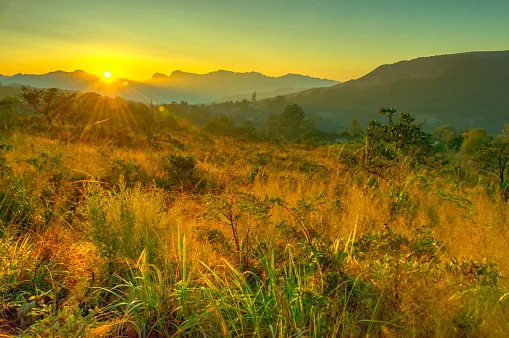
Scenic view of landscape at sunset, Chimanimani/By: Christopher Scott/Getty Images
Set in the country’s Eastern Highlands along the Mozambique border, this rugged wilderness is a destination for hikers, birdwatchers and travellers drawn to wild places. For those seeking a different side of Zimbabwe, Chimanimani promises an adventure defined by dramatic scenery, biodiversity and the quiet beauty of the highlands.
A landscape shaped by ancient mountains
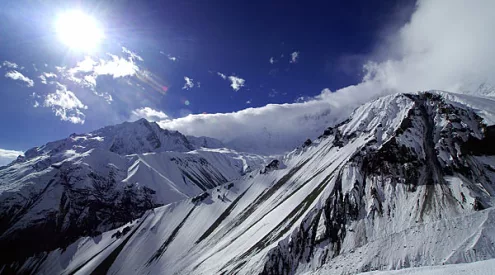
The Chimanimani Mountains form part of the Eastern Highlands, a chain of highlands running along the border between Zimbabwe and Mozambique. Their distinctive ridges, steep slopes and deep ravines create a landscape that feels far removed from the open savannas and wildlife reserves more commonly associated with Zimbabwe.
Much of the terrain is made up of ancient quartzite and schist formations. Resistant quartzite has helped shape the mountains’ dramatic ridgelines, while differences in elevation, soil and rainfall support a remarkable variety of habitats.
The wider mountain range rises from lowland river valleys to high peaks, including Mount Binga, which reaches approximately 2,436m. This variation in altitude creates changing conditions for plants and wildlife, from warmer lowland forests to cooler, exposed mountain grasslands.
For visitors, the scenery is a major attraction in itself. Rocky summits rise above rolling slopes, mist can drift across the higher ground, and narrow paths reveal fresh views around every bend. It is a landscape best explored slowly, on foot, with time to appreciate its details.
Waterfalls, rivers and natural pools
Water is central to Chimanimani’s appeal. Springs and mountain streams feed rivers that cut through the rugged terrain, creating waterfalls, shaded pools and secluded spots to pause along the trails.
One of the best-known attractions is Bridal Veil Falls, near Chimanimani village in the Eland Sanctuary. The waterfall drops approximately 50m into a rocky basin, offering an inviting excursion for visitors who want to experience the area’s scenery without committing to a demanding mountain trek.
Further into the mountain wilderness, waterfalls such as Muhohwa Falls and those along the Bundi River add to the area’s appeal. Depending on the route, visitors may encounter clear streams, rocky gorges and natural pools framed by vegetation.
These waterways are more than scenic highlights. They form part of the ecological network that sustains the region’s forests and other habitats, making the protection of rivers and their surrounding vegetation important to the wider landscape.
Water levels and conditions change with the seasons, so visitors should check local advice before swimming or walking near rivers. During the rainy season, flash floods can make riverbanks and low-lying campsites dangerous.
A botanical treasure trove
For plant enthusiasts, Chimanimani is one of Zimbabwe’s most remarkable natural areas. The national park contains approximately 2,182 plant taxa, representing more than 30% of the country’s recorded plant diversity, with 74 species endemic to the Chimanimani Mountains, according to the Zimbabwe Parks and Wildlife Management Authority.
The diversity is closely linked to the mountains’ geology. Quartzite-derived soils are often nutrient-poor, creating specialised conditions in which certain plants have evolved to survive. Combined with differences in altitude, rainfall and exposure, these conditions produce a mosaic of habitats that support unusual and locally restricted species.
Rare plants of the highlands
The mountain flora includes distinctive aloes, proteas, heaths and other plants adapted to rocky ground and montane conditions. Some are found only within a small part of the mountain range, making their survival particularly dependent on the conservation of specific habitats.
Among the notable species recorded in the wider Chimanimani region are Munch’s great Chimanimani aloe (Aloe munchii) and the endangered Euphorbia rugosiflora. Such plants help illustrate why the area is important to botanists and conservationists.
Visitors do not need specialist botanical knowledge to appreciate this diversity. Looking closely at plants growing between rocks, along forest edges and across open slopes can reveal a different dimension of the landscape. A knowledgeable local guide can help identify species and explain how they have adapted to their surroundings.
The best approach is to observe without disturbing: avoid picking flowers, uprooting plants or trampling fragile vegetation, particularly in high-altitude habitats where recovery can be slow.
ALSO READ:
Ethiopia’s coffee ceremony: The ritual behind the world’s favourite drink
Hiking through Chimanimani’s wild heart
Chimanimani National Park is a destination for travellers who prefer boots on the ground to a vehicle safari. Many of its mountain attractions are reached by footpaths rather than roads, making hiking the best way to experience the area’s rugged terrain.
Routes range from shorter excursions around the village and nearby waterfalls to challenging treks into the high mountains. For experienced hikers, the interior offers rocky passes, sweeping views across the ridges and secluded valleys where streams and pools provide welcome resting places.
Exploring the mountains
Mount Binga, rising to about 2,436m on the Zimbabwe–Mozambique border, is a major landmark for adventurous walkers. The surrounding mountain terrain rewards those prepared for steep ascents, changeable weather and long days on uneven ground.
Multi-day hikes offer a deeper immersion in the wilderness, with opportunities to explore the Bundi Valley and stay overnight in designated camping areas or basic mountain shelters, subject to current access and conditions. Local guides can help visitors navigate the terrain and understand the landscape.
Not every visit needs to involve a strenuous climb. A walk to Bridal Veil Falls, a scenic excursion near the village or a day spent birdwatching can offer a rewarding introduction to the region.
Birdlife and wildlife in the highlands
Although Chimanimani is not known for the large concentrations of wildlife associated with Zimbabwe’s major safari parks, it has its own natural appeal. The national park supports mammals including eland, bushbuck and blue duiker, while its forests and mountain habitats provide important areas for birdlife.
Birdwatchers can explore the transition between woodland, forest and open grassland, looking for species adapted to the Eastern Highlands. Patient observers may also encounter butterflies, reptiles and smaller creatures that are easily overlooked on a faster-paced trip.
The area is recognised as an Important Bird Area, underlining the value of its habitats to bird conservation. For nature lovers, the appeal lies in observing the relationships between species and their environment rather than ticking off a long list of large mammals.
A landscape worth protecting
Chimanimani’s natural significance extends beyond the boundaries of its national park. The wider Chimanimani Biosphere Reserve, recognised by UNESCO in 2022, encompasses a mosaic of mountain habitats, forests, grasslands and lower-altitude ecosystems along the Zimbabwe–Mozambique border.
The reserve’s conservation objectives include protecting biodiversity, strengthening resilience to climate-related pressures and supporting sustainable development in surrounding communities.
These priorities matter in a region where natural resources also support livelihoods. Local communities have longstanding connections to the landscape, and the wider area includes cultural heritage sites and archaeological features alongside its ecological treasures. Responsible tourism can help support local guides and businesses while encouraging visitors to appreciate the region’s natural and cultural significance.
For travellers, this means approaching Chimanimani as more than a scenic backdrop. Staying on established routes, respecting local guidance, carrying out rubbish and avoiding damage to fragile plants all help protect the environment that makes the destination distinctive.
Planning a visit to Chimanimani
When to go
Zimbabwe’s Parks and Wildlife Management Authority identifies March and April, as well as August and September, as favourable periods for visitors unfamiliar with the park. Mountain weather can change quickly, however, and rain is possible even outside the main summer wet season.
The rainy season generally runs from November into March or April. Heavy rain can make paths slippery and river crossings hazardous, while flash floods pose a serious risk near waterways. Check forecasts and local trail conditions before setting out.
What to pack
For mountain walks, bring sturdy hiking shoes, warm layers, waterproof clothing, a hat, a torch, sufficient drinking water, food and a first-aid kit. Overnight trekkers should also carry suitable camping or sleeping equipment and confirm which facilities are available on their chosen route.
Guided hikes are strongly recommended for challenging mountain routes, particularly for visitors unfamiliar with the terrain. Check current park fees, access arrangements, guide availability and accommodation options with the Zimbabwe Parks and Wildlife Management Authority before travelling.
Where to start
The village of Chimanimani provides a base for exploring nearby attractions and arranging mountain excursions. Visitors can combine a walk to Bridal Veil Falls with village visits, birdwatching and longer hikes into the national park, depending on their interests and fitness levels.
Allow extra time if you intend to venture deep into the mountains. This is a destination where the most memorable experiences often come from slowing down, following a trail and allowing the scenery to unfold.
Zimbabwe’s wilder side
Chimanimani offers a compelling alternative to the traditional safari itinerary. Its waterfalls, ancient rock formations, rare plants and demanding hiking routes reveal a quieter, more mountainous side of Zimbabwe, where the landscape itself is the main attraction.
Whether exploring the paths around Bridal Veil Falls or trekking into the highlands, visitors encounter an environment shaped by geology, altitude and remarkable biodiversity. It is a place for travellers who value wild scenery and the chance to experience one of southern Africa’s distinctive mountain ecosystems at walking pace.
Follow us on social media for more travel news, inspiration, and guides. You can also tag us to be featured.
Instagram | Facebook | Twitter | Spotify
ALSO READ: