

For years, the remote Yemeni island of Socotra existed largely outside the global spotlight.

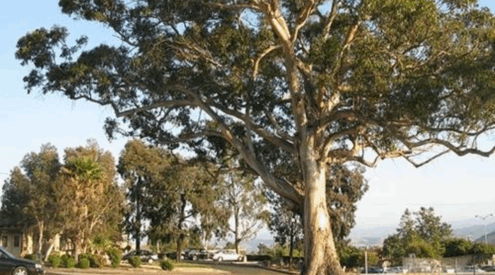
Dragon Blood Trees, Socotra/Andrew Svk/Unsplash
Floating in the Indian Ocean between the Horn of Africa and the Arabian Peninsula, the island was known mostly to biologists, adventurous travellers and the occasional sailor crossing ancient trade routes.
Then the internet discovered it.
A recent wave of viral photographs showcasing umbrella shaped dragon blood trees, stark limestone plateaus and fluorescent blue lagoons catapulted Socotra into global consciousness. Social media users compared its landscapes to science fiction films and distant planets. Some called it the most alien looking place on Earth.
View this post on Instagram
The descriptions may sound dramatic, but standing on Socotra’s windswept terrain, it is easy to understand why. Isolation has shaped this island into one of the most biologically unique places on the planet. Roughly a third of its plant life exists nowhere else on Earth, earning the archipelago recognition as a UNESCO World Heritage Site.
Yet with growing attention comes a difficult question: how does one protect a fragile ecosystem while the world rushes to see it?
A landscape shaped by isolation
Separated from mainland Arabia and Africa millions of years ago, Socotra evolved largely in ecological solitude. The result is a place where bizarre looking flora dominates the landscape and endemic species thrive in harsh climatic conditions.
The island’s most famous resident is the dragon blood tree, with its mushroom shaped canopy and crimson sap that was once traded as medicine and dye. Dense clusters of these trees can be found across the island, especially on the dramatic Dixam Plateau.
The plateau feels almost prehistoric. Morning mist rolls through the cliffs while herds of goats move between the trees, many of which are centuries old. Scientists have increasingly warned that climate shifts, overgrazing and changing weather patterns threaten the regeneration of these iconic forests. Younger dragon blood trees struggle to survive in areas where grazing animals consume fragile saplings before they can mature.
Despite these challenges, the plateau remains one of Socotra’s defining landscapes. It is also one of the best places to appreciate how isolation can shape life in extraordinary ways.
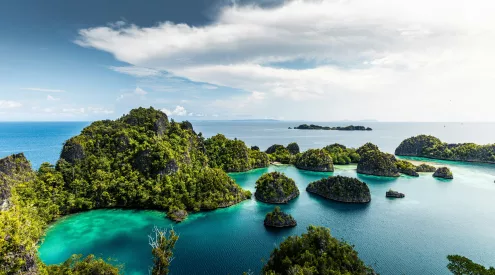
The shimmering waters of Detwah Lagoon

Detwah Lagoon/Andrew Svk/Unsplash
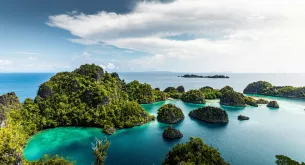
On the island’s western edge lies another of Socotra’s natural marvels: Detwah Lagoon.
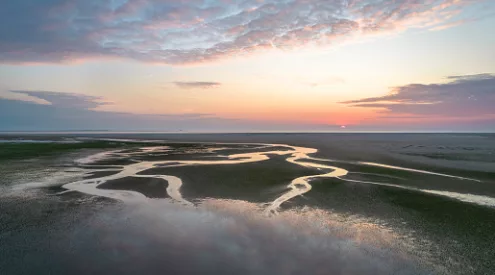
At low tide, the lagoon transforms into a vast mosaic of turquoise pools and white sandbanks. Stingrays glide through shallow water while seabirds patrol the shoreline. The surrounding dunes and limestone outcrops create a striking contrast against the Indian Ocean’s vivid blues.
Detwah is not only beautiful but ecologically significant. The lagoon supports marine biodiversity that includes fish nurseries, migratory birdlife and delicate coastal habitats. Conservationists have long stressed the importance of protecting these environments from pollution, unmanaged tourism and overfishing.
Unlike more commercialised tropical destinations, Socotra still lacks large scale tourism infrastructure. Visitors often camp on beaches, travel with local guides and rely on small community run operations. For many travellers, that simplicity forms part of the island’s appeal.
Still, increased exposure through viral travel content has raised concerns about whether Socotra can maintain this balance if visitor numbers continue to rise.
Beneath the surface at Hoq Cave
Socotra’s mysteries extend underground as well.
Stretching more than two kilometres into the island’s limestone mountains, Hoq Cave offers a glimpse into both geological history and ancient human movement across the Indian Ocean.
The cave is filled with towering stalactites, mineral formations and subterranean chambers shaped over thousands of years. Archaeological discoveries inside have revealed inscriptions, pottery fragments and artefacts linked to sailors who once navigated regional trade routes between Arabia, Africa and India.
Reaching Hoq Cave requires a steep hike through rocky terrain, but the reward is a rare opportunity to witness one of Socotra’s lesser known natural treasures. Torchlight bouncing off crystalline formations only deepens the sense that the island belongs to another era entirely.
Along the northern coastline
While the island’s interior often captures the most attention online, Socotra’s northern coastline reveals a softer side to its rugged identity.
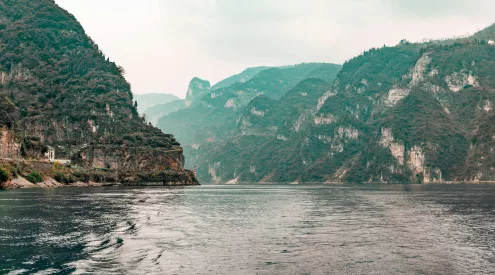
Here, powdery beaches curve beneath jagged mountains while fishing villages dot the shoreline. Traditional wooden boats still head out to sea each morning, maintaining practices that have sustained local communities for generations.
The coastline is also where many visitors first encounter the tension between preservation and development. Tourism offers economic opportunities in a region affected by instability and limited resources, yet infrastructure expansion carries environmental risks.

Andrew Svk/Unsplash
Road construction, waste management and water usage all require careful planning in ecosystems as sensitive as these. Conservation groups and local leaders continue to advocate for responsible tourism models that prioritise community involvement and ecological protection.
For now, Socotra remains one of the world’s rare travel destinations where nature still feels largely untamed. Its landscapes are extraordinary not simply because they look unusual, but because they represent millions of years of uninterrupted evolution.
As more travellers add the island to their bucket lists, the challenge will be ensuring that global fascination does not come at the cost of the very ecosystems that make Socotra so remarkable.
In a world where so many places have already been transformed by mass tourism, Socotra stands as a reminder that true wonder still exists in remote corners of the planet. The hope is that it can remain that way for generations to come.
Follow us on social media for more travel news, inspiration, and guides. You can also tag us to be featured.
Instagram | Facebook | Twitter
ALSO READ: