

There are road trips, and then there is the Panorama Route, writes Miriam Kimvangu.

IPICS_SA Chikane/Unsplash
Winding through the escarpment of Mpumalanga, this iconic drive combines dramatic mountain passes, lush forests, waterfalls and some of the most breathtaking viewpoints in South Africa. It is a route where every bend in the road seems to reveal another sweeping vista or natural wonder.
Stretching roughly from the town of Graskop to the edge of the Blyde River Canyon, the Panorama Route has become one of the country’s most beloved travel experiences. While many travellers pair it with a safari in the nearby Kruger National Park, the route easily stands on its own as a destination packed with adventure, scenery and small-town charm.
The grandeur of Blyde River Canyon
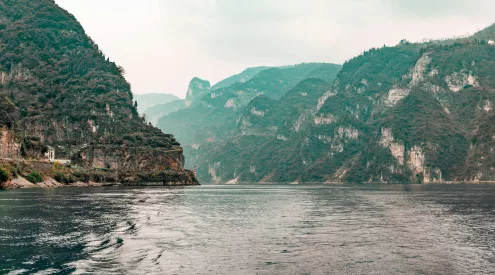
At the heart of the route lies the towering Blyde River Canyon, one of the largest green canyons in the world. Carved over millions of years by the Blyde River, the canyon’s dramatic cliffs and dense subtropical vegetation create a landscape that feels almost cinematic.

Blyde River Canyon/Pixabay/Pexels
One of the best ways to appreciate its scale is from the famous Three Rondavels viewpoint, where three enormous rock formations resemble traditional African rondavel huts rising from the canyon floor. The viewpoint is particularly striking during sunrise and sunset, when changing light transforms the canyon walls into shades of gold and amber.
Standing at God’s Window
Not far away is God’s Window, arguably the most famous stop on the Panorama Route. On a clear day, visitors can look across forests, cliffs and lowveld plains that stretch toward Mozambique.

Magda Ehlers/Pexels
The viewpoint sits on the edge of the Drakensberg escarpment and, when mist rolls in, the scenery becomes even more atmospheric. The short walk through indigenous forest to the viewpoint adds to the experience, with towering trees and thick vegetation creating a feeling of stepping into another world.
The curious formations of Bourke’s Luck Potholes
Another natural attraction that draws visitors year-round is Bourke’s Luck Potholes. Here, centuries of swirling water have sculpted cylindrical rock formations where the Treur and Blyde rivers meet.

Steward Masweneng/Pexels
Wooden walkways and bridges allow visitors to explore the unusual geological formations from multiple angles. The potholes are named after Tom Bourke, a gold prospector who believed the area was rich in gold deposits, though ironically, he never found much success himself.
Chasing waterfalls along the route
Waterfalls are another defining feature of the Panorama Route. The region’s high rainfall and mountainous terrain create ideal conditions for spectacular cascades.

Steward Masweneng/Unsplash
Lisbon Falls is the tallest waterfall in Mpumalanga, plunging dramatically into a deep gorge below. Nearby, Berlin Falls offers a completely different scene, with water tumbling into a wide emerald pool surrounded by cliffs and greenery.

Duy Nod/Pexels
For travellers who enjoy quieter stops, Mac Mac Falls and Forest Falls provide peaceful alternatives away from the busiest viewpoints. Many of these waterfall stops are only a short walk from parking areas, making them accessible for families and casual road trippers alike.
Graskop and the spirit of adventure
The small town of Graskop serves as a popular base for exploring the region. Once a gold rush town, Graskop today is known for its cafés, pancake restaurants and adventure activities.

Magda Ehlers/Pexels
The Graskop Gorge Lift Company has become one of the area’s standout attractions, offering visitors a glass lift ride down into an indigenous forest gorge. Elevated walkways and suspension bridges create an immersive experience beneath the forest canopy.
Adventure seekers will also find plenty to do along the route. Hiking trails wind through forests and canyon edges, while ziplining, river tubing and horseback riding offer more active ways to experience the landscape.
Taking the slow road
Although the Panorama Route can technically be driven in a day, slowing down is part of its appeal. Spending a few nights in the area allows travellers to experience the shifting moods of the escarpment, from misty mornings to fiery sunsets over the canyon. It also creates opportunities to explore lesser-known attractions, local craft markets and nearby nature reserves that are often overlooked during rushed itineraries.
The best time to visit largely depends on what travellers hope to experience. Summer brings lush green landscapes, flowing waterfalls and dramatic afternoon thunderstorms. Winter offers crisp air, clearer skies and excellent visibility from the viewpoints. Regardless of the season, the route remains one of South Africa’s most rewarding scenic drives. What makes the Panorama Route so memorable is not only its famous landmarks, but also the feeling of constant discovery.
Follow us on social media for more travel news, inspiration, and guides. You can also tag us to be featured.
Instagram | Facebook | Twitter
ALSO READ:
How a 1950s forestry decision fuelled Japan’s modern hay fever crisis