




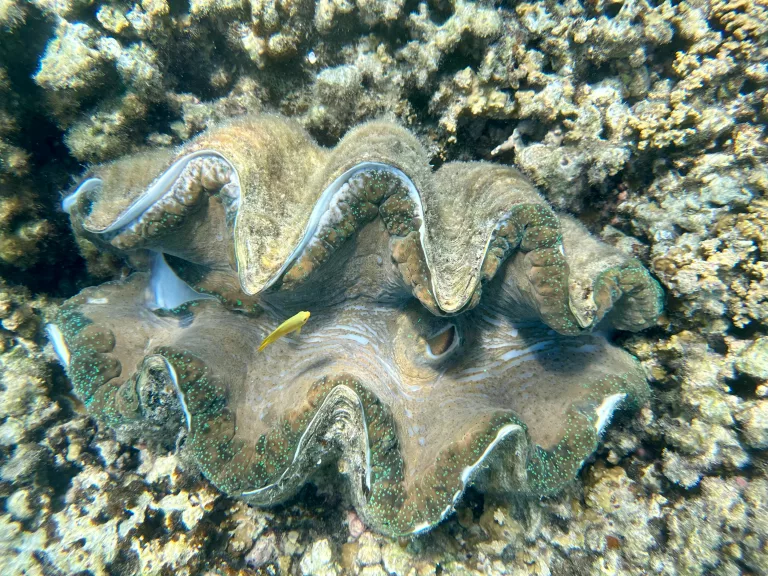
A giant clam has given scientists an unusual glimpse into the past, with its shell preserving almost 30 years of climate information from the Great Barrier Reef more than 200 years ago.
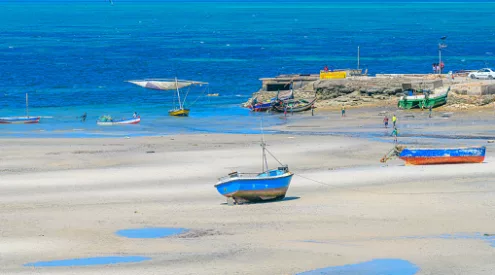
John Cameron / Unsplash / Illustrative purposes only
The Tridacna gigas, the world’s largest living bivalve, lived around Jiigurru, also known as the Lizard Island Group, between roughly 1785 and 1827. It’s shell has now become a natural climate archive, offering a rare record of conditions on the reef before modern instruments were monitoring the oceans.
A diary in its shell
As the clam grew, it added microscopic layers to it’s shell each day. Scientists can count these growth lines and analyse the chemistry within them to reconstruct past environmental conditions.
Researchers counted almost 10,900 daily growth lines, suggesting the clam lived for around 30 years. The shell measured 58cm long. Chemical analysis revealed clues about sea temperatures, rainfall and wet and dry periods throughout the clam’s life.
A cooler Great Barrier Reef
The record suggests that the waters around Jiigurru were cooler than they are today.
Compared with modern measurements from the area, reconstructed temperatures were between 0.6°C and 0.9°C cooler on average. Summers showed the biggest difference, with temperatures up to 1.2°C cooler. The shell also captured changes in rainfall and climate patterns, including periods that resembled El Niño and La Niña conditions.
For scientists, that makes the clam more than an impressive marine animal. It provides a rare seasonal record of the tropical Southern Hemisphere during a period when very few direct climate measurements existed.
A window into the past
One clam cannot tell the entire story of the Great Barrier Reef, but it adds an important piece to the puzzle. Natural archives such as coral, ice and shells allow scientists to look further back than modern weather records and understand how ocean conditions have changed over time.
And there could be more records waiting beneath the waves. Giant clam shells can preserve environmental information at remarkably fine timescales, meaning other specimens could help researchers piece together a much broader picture of how the Indo-Pacific climate has changed.
For a creature that spent its life anchored to the seafloor, this giant clam has left behind something extraordinary: a detailed diary of a reef that existed more than two centuries ago.
Source (Earth.com )
Follow us on social media for more travel news, inspiration, and guides. You can also tag us to be featured.
Instagram | Facebook | Twitter | Spotify
ALSO READ:
Himlung avalanche: Climbers return to Nepal mountain after 16 deaths