





Bees do not need a beekeeper or a wooden hive to thrive. From solitary species nesting beneath the soil to wild honeybees occupying hollow trees and underground cavities, these remarkable pollinators depend on natural spaces that are often overlooked.
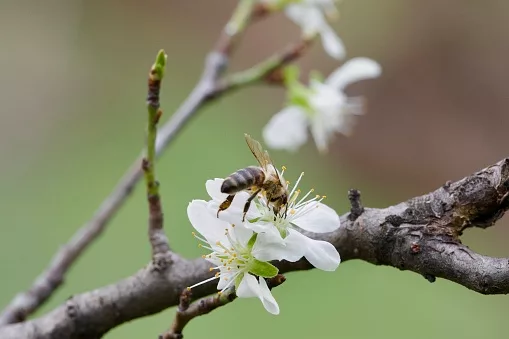
Image used for illustrative purposes/By: Recep Keser / 500px/Getty Images
Discover where wild bees live, how they support biodiversity and why protecting their nesting habitats matters.
Beyond the familiar beehive
Bees are often associated with wooden hives, honeycomb and the work of beekeepers. Yet many live entirely outside managed colonies, finding shelter in the landscapes around them.
Some nest in hollow tree trunks, others excavate tunnels in bare ground, while certain species use crevices in rocks, cavities in dead wood or hollow plant stems. These different nesting strategies reflect the remarkable diversity of bees and their ability to adapt to their surroundings.
South Africa is home to a rich diversity of bee species, most of which are solitary rather than social. Although many are small and easy to overlook, they play an important role in pollination and the health of natural ecosystems.
Understanding wild bees means looking beyond the flowers they visit to the places where they shelter, reproduce and raise the next generation.
The surprising places wild bees call home
Hollow trees and old wood
Tree cavities are among the best-known nesting places for wild honeybees. Natural hollows provide shelter for colonies, helping protect their honeycomb and brood from weather and potential predators.
These spaces can form when branches break, trunks decay or old trees develop hollows over time. Dead and decaying wood also offers nesting opportunities for some solitary bees, while other species use existing holes or hollow stems.
In forests and woodlands, mature trees therefore provide more than shade and food. They create small habitats that can support a variety of wildlife, including pollinators.
Removing every dead tree or clearing fallen timber may make a landscape look tidier, but it can also eliminate valuable nesting sites. Where it is safe to do so, retaining suitable natural wood can help preserve these habitats.
Cliffs, rocky crevices and sheltered cavities
Rocky landscapes offer another kind of refuge. Some wild honeybee colonies occupy cavities in rocks, while certain solitary bees use existing holes and sheltered crevices for nesting.
The availability of these spaces varies considerably between landscapes. In areas where natural tree hollows are scarce, bees may depend on other cavities to establish their nests.
These adaptations are especially relevant in diverse environments such as South Africa’s Karoo, where shelter can be limited and suitable cavities may be difficult to find.
The hidden world beneath our feet
One of the biggest surprises about wild bees is how many make their homes underground.
Many solitary bees, including mining and digger bees, excavate tunnels in suitable soil. Depending on the species, a female may prepare a series of brood chambers, provision each with pollen and nectar, and lay an egg before sealing the chamber.
The developing bee remains protected underground as it progresses through its life cycle. Unlike a honeybee colony, a solitary bee generally does not depend on a large workforce to raise its young.
Wild honeybees can also occupy underground cavities, although their nesting behaviour differs from that of solitary species.
Research published in the Journal of Insect Conservation in January 2026 documented 127 wild honeybee nests in South Africa’s Eastern Cape. Of these, 69.3% were found in ground cavities, challenging the common assumption that wild honeybees primarily nest in trees.
The researchers also documented an ecological relationship between honeybees and burrowing mammals, including aardvarks. Cavities created by these animals can subsequently provide nesting spaces for bees.
It is a reminder that habitats are often shaped by interconnected relationships between species, with one animal’s digging creating shelter for another.
ALSO READ:
Why wild bees are important
Wild bees are important pollinators, transferring pollen between flowers as they collect nectar and pollen for food. This process helps plants produce seeds and fruit, supporting the regeneration of vegetation and the wildlife that depends on it.
Different bee species visit different flowers, and their body shapes, sizes and behaviours influence how they collect and transfer pollen. Some solitary bees are particularly effective pollinators of certain plant species, making the diversity of wild bees important to functioning ecosystems.
Their contribution extends beyond wild landscapes. Bees also pollinate many crops, helping sustain food production and livelihoods.
However, pollination is not performed by honeybees alone. Solitary bees and other insects also play valuable roles, and protecting a diverse community of pollinators is essential for maintaining healthy ecosystems.
The habitats bees need to survive
Wild bees require more than flowering plants. They also need suitable places to nest, materials for building and sealing their nests, and access to food throughout their active seasons.
Why undisturbed soil matters
Ground-nesting bees can be affected by frequent digging, ploughing, soil compaction and the removal of bare patches where they establish their burrows. Leaving suitable areas of undisturbed soil can provide important nesting opportunities.
This does not mean every patch of bare ground should be left untouched, but it highlights the value of maintaining a variety of natural conditions within a landscape.
The value of indigenous plants and natural vegetation
Flowering indigenous plants can provide nectar and pollen, while shrubs, grasses and trees help create a varied habitat. A succession of flowering plants throughout the year can be particularly useful, giving bees access to food across different seasons.
In Cape Town, research into urban bee communities has highlighted the importance of floral resources and the diversity of nesting habits found among bees. Gardens, parks and other green spaces can therefore contribute to pollinator conservation when they offer suitable flowers and nesting conditions.
Keeping natural nesting sites
Hollow trees, dead wood, rocky crevices and abandoned animal burrows can all contribute to the availability of nesting spaces. Clearing these features indiscriminately may reduce the number of places where wild bees can establish colonies.
Conservation efforts should consider the entire habitat, rather than focusing only on providing artificial beehives. For wild bees, maintaining the natural structures and ecological relationships that support their lives can be just as important as ensuring food is available.
How to make space for wild bees
Supporting wild bees does not necessarily require specialised equipment or a dedicated beekeeping setup. Small changes to gardens and outdoor spaces can make a difference.
-
Plant indigenous flowers: Choose a variety of locally appropriate flowering plants to provide nectar and pollen.
-
Leave suitable soil undisturbed: Retain some areas where ground-nesting bees can excavate their tunnels.
-
Keep useful natural features: Where safe, preserve mature trees, suitable dead wood and other potential nesting sites.
-
Reduce unnecessary pesticide use: Avoid applying insecticides indiscriminately, particularly to flowering plants visited by pollinators.
-
Allow some areas to grow naturally: Less intensively managed spaces can offer shelter, nesting opportunities and a greater variety of flowering plants.
Artificial bee hotels may benefit certain cavity-nesting solitary species, but they are not suitable for every bee. They should complement, rather than replace, natural habitats.
It is also worth remembering that wild honeybees and solitary bees have different nesting requirements. A single approach will not support every species equally well.
Protecting the wild spaces bees depend on
Wild bees reveal how much biodiversity can be hidden in familiar landscapes. A hollow tree, a patch of sandy ground or a burrow in a dry landscape may appear insignificant, yet each can provide essential shelter for pollinators.
The recent Eastern Cape research demonstrates why understanding these natural nesting habits matters. Conservation strategies based only on the assumption that honeybees live in trees could overlook the ground cavities that many colonies actually occupy.
Protecting wild bees means preserving the variety of habitats they use, from forests and rocky outcrops to grasslands, gardens and open ground. It also means recognising that healthy ecosystems depend on relationships between plants, insects and other animals.
Follow us on social media for more travel news, inspiration, and guides. You can also tag us to be featured.
Instagram | Facebook | Twitter | Spotify
ALSO READ: