







National Koe’sister Day on 6 September celebrates a Cape Malay culinary classic with a few creative twists.
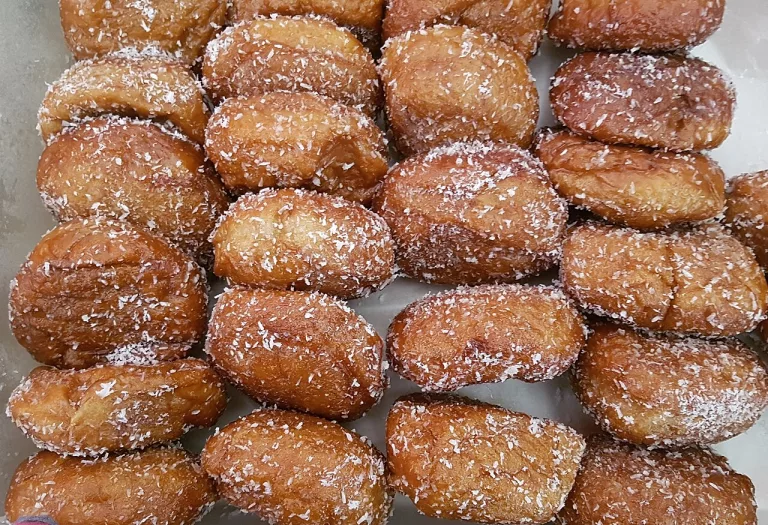
Image used for illustrative purposes/Tasneem J/Wikimedia Commons
With roots in the Cape Malay community, the syrup-soaked, coconut-coated doughnut has become a much-loved part of the country’s culinary heritage. Traditionally enjoyed on a Sunday morning, koe’sisters are particularly associated with Cape Malay cooking and the food traditions of Cape Town.
National Koe’sister Day on 6 September also marks the start of National Heritage Month, making it an apt time to celebrate this iconic South African treat.
Wayne Blake, Group Food and Beverage Manager at ANEW Hotels & Resorts, is marking the occasion by sharing his take on the classic recipe, along with five creative variations for home cooks to try.
“A fresh koe’sister done right? You simply cannot beat it!” says Blake. “That soft fried dough soaked in syrup, the gentle nuttiness from coconut, and that warm cinnamon spice running all the way through. It is rich, and undeniably comforting, so indulgent, but also extremely familiar.”
Blake says he enjoys experimenting with traditional recipes, and National Koe’sister Day provided the perfect excuse to put a new spin on the Cape classic.
How to make classic koe’sisters
Makes approximately 24 to 30 koe’sisters, depending on size
Ingredients and method
In a large bowl, combine 500g cake flour, 10g baking powder, 5g salt, 15ml ground cinnamon, 5ml ground ginger, 5ml ground cardamom and 5ml ground aniseed.
In a separate bowl, whisk together 100g sugar, two eggs and 250ml milk until fully combined. Add the wet ingredients to the dry ingredients and mix until a soft, slightly sticky dough forms. Avoid overmixing.
Cover the dough and allow it to rest for 45 minutes at room temperature.
Lightly oil or flour your hands and divide the dough into 20g to 25g portions. Shape each piece into a small log approximately 5cm to 6cm long and 2cm thick. Try to keep the pieces a similar size so they cook evenly.
Heat oil to 170°C in a deep, heavy-based pot. Fry the koe’sisters in small batches, turning gently, until golden brown and cooked through. This should take approximately four to six minutes.
Remove them with a slotted spoon or tongs and drain briefly on paper towel.
Making the syrup
For the syrup, combine 500ml water, 500g sugar, 5ml cinnamon and 5ml lemon juice in a pot.
Heat while stirring until the sugar has dissolved and the syrup is hot and lightly coats the back of a spoon. Do not reduce it to a thick syrup. If necessary, add a small splash of hot water to maintain a light pouring consistency.
While the syrup is hot, dip each koe’sister for three to six seconds, turning once to coat evenly. Remove immediately and allow any excess syrup to drip off.
While still warm, roll the koe’sisters in desiccated coconut. Serve warm or at room temperature.
Safety note: Take extreme care when working with hot oil and syrup, as both can cause serious burns. Never overfill the pot with oil and always fry in small batches. Keep the cooking area clear and dry, and never allow children near hot oil or syrup.
Five creative koe’sister variations to try
1. Spiced pineapple and lime koe’sisters
For a tropical twist on the traditional recipe, Blake suggests adding a spiced pineapple filling.
Cook 150g crushed pineapple with 5ml Kashmiri chilli powder over medium heat until the mixture becomes jammy and most of the moisture has evaporated. Allow it to cool completely.
Divide the dough into equal portions and flatten each piece into a small disc. Place a spoonful of the cooled pineapple mixture in the centre, then carefully seal the dough to form a smooth ball, ensuring the filling is completely enclosed.
Fry according to the classic method, turning gently until golden brown and cooked through. Dip the cooked koe’sisters in the syrup and finish with coconut as usual. For an extra fresh note, add a light dusting of lime zest.
Top tip: Cook the pineapple until it is almost completely dry and paste-like. Excess moisture can make the dough too soft and increase the risk of the filling leaking during frying.
2. Salted condensed milk and cardamom koe’sisters
This indulgent variation swaps the traditional syrup for a creamy condensed milk mixture.
Combine 300ml water, 150ml evaporated milk, 120ml condensed milk, 5ml ground cinnamon, 3ml ground cardamom and a generous pinch of salt in a pot.
Heat gently over low heat, stirring constantly, until smooth and lightly thickened. The mixture should coat the back of a spoon in a soft ribbon.
Do not allow it to boil, as the dairy can split or catch.
Dip the hot koe’sisters briefly into the condensed milk syrup, allowing them to absorb some of the mixture before rolling them in desiccated coconut.
The result is creamy, warmly spiced and slightly salty, with the salt helping to balance the sweetness of the condensed milk.
Top tip: The salt is an important part of the recipe rather than simply an additional seasoning. Taste the syrup before dipping and adjust the balance if necessary.
3. Rooibos and naartjie koe’sisters
For a distinctly South African flavour combination, replace half of the water in the traditional syrup with 250ml of strong brewed rooibos tea.
Heat the rooibos with 500g sugar, 5ml cinnamon and strips of naartjie peel. Once the flavours have infused, remove the peel before dipping the koe’sisters.
The rooibos adds depth to the syrup, while the naartjie provides a bright citrus note that works particularly well with the cinnamon and coconut.
Top tip: Remove the naartjie peel once the syrup has infused. Leaving it in for too long can introduce bitterness.
4. Marmite, coconut and black pepper koe’sisters
For those willing to experiment, this savoury-sweet version takes the traditional koe’sister in a very different direction.
Warm 80ml syrup and whisk in 7g Marmite until partially emulsified, creating a light savoury glaze.
Dip the koe’sisters in the traditional syrup first, then lightly brush them with the Marmite glaze. Finish by rolling them in desiccated coconut mixed with freshly cracked black pepper and a small pinch of salt.
This is deliberately bold, so the Marmite should be used sparingly. The aim is to add a subtle savoury note without overpowering the sweetness and spice of the koe’sister.
Top tip: Apply the Marmite glaze very lightly after dipping to maintain the balance between the sweet and savoury flavours.
5. Candied apple koe’sisters
Inspired by the Cape Town Carnival, this variation combines the familiar spices of a koe’sister with a sweet apple filling and caramel topping.
Start with the classic koe’sister dough and prepare the filling by cooking 250g peeled and diced apples with 30g sugar, 5ml lemon juice and 2.5ml ground cinnamon over medium heat.
Cook until the apples are soft and jammy, then allow the mixture to cool completely.
Lightly oil or flour your hands and divide the dough into 20g to 25g portions. Flatten each portion into a small disc and place a spoonful of the cooled apple mixture in the centre. Carefully seal the dough around the filling, forming a smooth ball and ensuring there are no openings.
For the caramel glaze, gently heat 150g sugar over medium heat until it melts and develops a light golden colour.
Dip the top of each koe’sister into the caramel, then place it down immediately to allow the caramel to set. Sprinkle with desiccated coconut while it is still slightly warm and leave to cool until the caramel has hardened into a glossy finish.
Top tip: Cook the apple filling until it is thick and relatively dry, then cool it completely before filling the dough. Excess moisture can cause the filling to leak or the dough to split during frying.
Follow us on social media for more travel news, inspiration, and guides. You can also tag us to be featured.
Instagram | Facebook | Twitter
ALSO READ: