




Mont Blanc, the highest mountain in Western Europe, has reached an elevation of 4,807.47 metres, almost two metres higher than its 2023 measurement, according to Euronews.
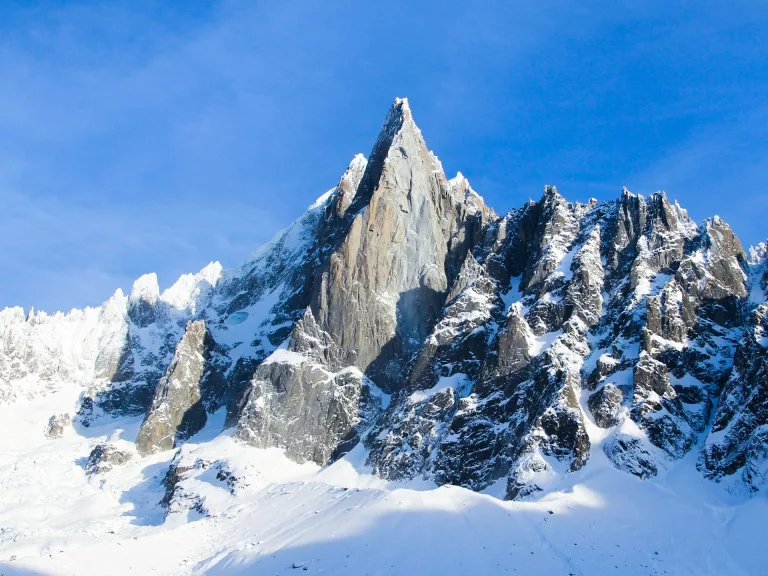
Mont Blanc du Tacul, Chamonix, France/Randy Yip/Unsplash
The latest reading brings the Alpine peak close to its historical elevation recorded in the late 19th century, surveyors in France’s Haute-Savoie region said. Experts have been measuring the summit regularly since 2001.
However, the increase does not necessarily signal a long-term change in the mountain’s height or provide evidence of the effects of global warming.
Wind and snowfall shape the summit
Mont Blanc’s elevation fluctuates naturally as weather conditions alter the snow and ice covering its summit. Precipitation and strong winds redistribute snow, changing the peak’s measured height from one survey to the next.
Chartered surveyor Mathieu Dragon told Euronews that the summit is shaped largely by wind and precipitation, despite particularly dry conditions this year.
Researchers caution that a single measurement cannot establish a long-term trend, highlighting the need for continued monitoring.
New technology offers a clearer picture
This year, surveyors used ground-penetrating radar to map the summit’s ice cap and the rocky peak beneath it.
The technology is expected to improve the accuracy of future measurements by helping researchers distinguish between the underlying rock and the snow and ice that cover it.
Continued surveys will provide a clearer picture of how Mont Blanc’s summit changes over time, offering valuable data on the dynamics of one of Europe’s most recognisable mountain landscapes.
Follow us on social media for more travel news, inspiration, and guides. You can also tag us to be featured.
Instagram | Facebook | Twitter | Spotify
ALSO READ:
Funding available for nature-focused projects through Nature Connect