







The picturesque English village of Bibury is planning to install fences along parts of the River Coln to prevent visitors from disturbing wildlife, following a busy summer that raised concerns about the impact of tourism on the local environment.
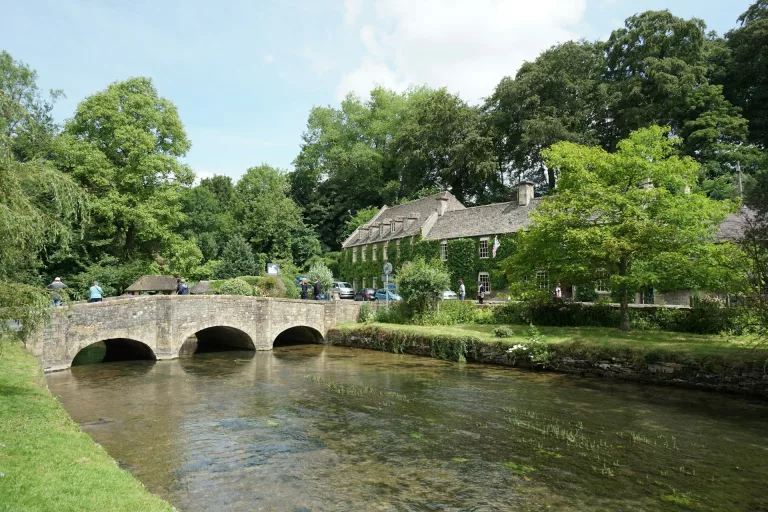
Bibury/Uniq Trek/Unsplash
Located in Gloucestershire, Bibury is home to approximately 600 residents but can attract as many as 20,000 visitors a day. The village was named the world’s most beautiful village by Forbes Magazine in 2025, bringing further attention to its historic streets, traditional stone cottages and scenic riverside setting.
However, the growing popularity of the destination has placed pressure on its natural surroundings. Local authorities have now approved plans to introduce fencing in an effort to protect the river and its wildlife.
Tourist activity raises concerns for river wildlife
Craig Chapman, chair of Bibury Parish Council, described the proposed fencing as a “drastic measure”, but said it had become necessary to safeguard the River Coln’s ecosystem.
During the warmer months, visitors were reportedly sitting along the riverbank with their feet in the water, walking through the river and even placing tables and chairs in it. According to Chapman, these activities can negatively affect the habitat of swans, ducks, water voles and fish.
He said fencing was not the outcome the council wanted, but was considered necessary to protect the environment around the river.
The proposed barriers have been approved by the council, although funding still needs to be finalised. If the plans proceed, the fences could be installed by next summer.
Victoria Summerley, a Bibury resident of 14 years, said the situation had deteriorated since the Covid pandemic. She also raised concerns about litter, including drinks bottles and disposable coffee cups, finding its way into the water.
The River Coln is a chalk stream known for its clear water and trout habitat. Protecting its ecological health is therefore an important consideration as the village manages increasing visitor numbers.
Balancing tourism with conservation
The proposed restrictions come amid wider efforts to manage the effects of tourism in Bibury, where traffic congestion and coach arrivals have also become contentious issues.
In March 2025, Gloucestershire County Council introduced a trial aimed at easing traffic problems, including a designated drop-off point for tour coaches. However, residents have continued to raise concerns about some drivers stopping outside the designated areas to let passengers off.
The latest plans have prompted a mixed response from the tourism industry. Jason Edwards, deputy chair of the Coach Tourism Association, warned that additional restrictions could discourage coach operators from including Bibury in their itineraries.
He said the village had already become a concern for some operators, adding that coach tourists contribute to the local economy by spending money at shops and other businesses.
Edwards said tour companies wanted their visitors to be welcomed and to make a positive contribution to the communities they visited. If destinations became increasingly unwelcoming, he warned, operators could choose to take their customers elsewhere.
For Bibury, the challenge is to preserve the natural beauty that attracts visitors while ensuring tourism does not undermine the environment and quality of life that make the village distinctive. The proposed riverbank fencing highlights the growing need for popular destinations to balance visitor access with the long-term protection of sensitive natural spaces.
Follow us on social media for more travel news, inspiration, and guides. You can also tag us to be featured.
Instagram | Facebook | Twitter | Spotify
ALSO READ:
South Africa’s great animal migrations that aren’t wildebeest