


Eight Cape Town beaches retain Blue Flag status, with four more in the pipeline

Posted on 11 October 2026 By Lee-Ann Steyn
Eight beaches in Cape Town have retained their Blue Flag status for the 2026/27 season, while four others have been named Blue Flag pilot sites as the city prepares for the summer beach season.

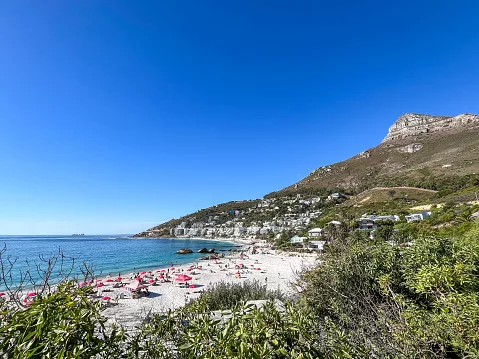
Clifton 4th beach/By: Rocky89/iStock

The results were announced on Friday, 9 October, at the annual Blue Flag and Green Coast Awards ceremony in Hermanus, Western Cape, according to BusinessTech.

The international Blue Flag programme recognises beaches that meet strict criteria covering water quality, environmental management, safety, accessibility and environmental education.

In South Africa, the programme is administered by the Wildlife and Environment Society of South Africa (WESSA). Beaches undergo an assessment process involving a national jury, with final accreditation decisions made by an international jury.

Eight Cape Town beaches achieve Blue Flag status

Cape Town has maintained eight fully accredited Blue Flag beaches for the fifth consecutive season, continuing its participation in the international programme.

The eight beaches recognised for the 2026/27 season are:

  • Bikini Beach
  • Camps Bay Beach
  • Clifton 4th Beach
  • Fish Hoek Beach
  • Llandudno Beach
  • Melkbosstrand
  • Muizenberg Beach
  • Silwerstroomstrand

Blue Flag accreditation requires beaches to meet established environmental and operational standards. Water quality is assessed using samples collected across previous bathing seasons, while environmental initiatives and visitor safety also form part of the assessment.

The programme has operated in South Africa since 2001, with coastal municipalities across the country participating in the initiative.

Four beaches named Blue Flag pilot sites

Four additional beaches in the Cape Town area have been named Blue Flag pilot sites for the 2026/27 season.

These are:

  • Chapman’s Peak, Hout Bay
  • Big Bay
  • Strand
  • Strandfontein

Pilot status is a step towards full Blue Flag accreditation, with participating beaches working towards meeting the programme’s requirements.

Cape Town’s mayoral committee member for community services and health, Francine Higham, said the recognition reflected the ongoing work involved in maintaining the city’s beaches.

She added that the city’s beaches play an important role in its natural and recreational environment, encouraging residents and visitors to help keep them clean, safe and accessible.

What Blue Flag status means for beachgoers

Blue Flag status gives visitors an indication that a beach has met specific standards for water quality, environmental management, safety and visitor education. However, conditions can change, so beachgoers should still follow local advisories and posted safety notices.

The recognition comes ahead of Cape Town’s busy summer tourism period, when the city’s beaches attract both residents and international visitors.

According to figures cited in BusinessTech’s report, direct tourism spending in Cape Town reached approximately R24.5 billion in 2025, including around R19 billion from international visitors. The tourism sector also supports an estimated 106,000 jobs in the city.

With eight fully accredited beaches and four pilot sites, Cape Town’s coastline remains a major part of its appeal as a summer destination.

Follow us on social media for more travel news, inspiration, and guides. You can also tag us to be featured.

Instagram | Facebook | Twitter | Spotify

ALSO READ: 

Cape Town’s unfinished highways could finally have a future


yoast-primary - 5179
tcat - News
tcat_slug - news
tcat2 - News
tcat2_slug - news
tcat_final - gear