






A population of gentoo penguins living on the remote Kerguelen Islands has been identified as a distinct species, making it the first new penguin species to be named in more than a century.
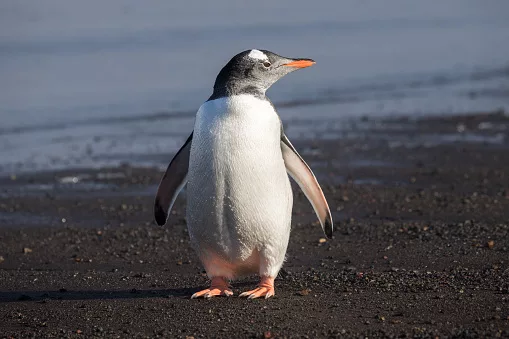
Image of gentoo penguin used for illustrative purposes/By: Ken Griffiths/
iStock
The newly recognised southeastern gentoo penguin (Pygoscelis kerguelensis) lives on the Kerguelen Islands, a remote French territory in the southern Indian Ocean also known as the Desolation Islands. The archipelago lies thousands of kilometres from permanently inhabited land.
According to Oceanographic Magazine, the discovery follows an international research effort that used genetic, ecological and physical evidence to settle a long-running debate over how many gentoo penguin species there are.
One penguin group is actually four species
Gentoo penguins were historically treated as a single widespread species, but researchers have now identified four distinct species within the group.
These are the northern gentoo, southern gentoo, eastern gentoo and the newly described southeastern gentoo.
The findings, published in Communications Biology, were based on whole-genome sequencing of penguins from breeding colonies across much of the species’ range, alongside comparisons of their morphology, calls, breeding patterns, diets and behaviour.
The southeastern gentoo is particularly interesting because it looks remarkably similar to other gentoo penguins. The differences are much clearer in its genetics, making it what scientists call a cryptic species.
The researchers found that the four lineages diverged relatively recently, between roughly 300,000 and 500,000 years ago. Geographic isolation, differences in the marine environment and the penguins’ tendency to remain close to their breeding colonies appear to have helped drive this divergence.
ALSO READ:
Juvenile humpback dies after swimming 11km upstream in Australian river
A penguin hidden on a remote island
The Kerguelen Islands’ isolation may help explain why the penguin went unrecognised for so long.
The archipelago sits near the Antarctic Polar Front, a major boundary in the Southern Ocean where water temperature and salinity change sharply. These oceanographic differences can limit movement between penguin populations and contribute to their genetic separation.
The newly recognised southeastern gentoo is associated with Kerguelen and is also thought to have a connection with nearby Heard Island. Researchers believe juveniles have been recorded travelling between the regions.
While the birds may not look dramatically different from their gentoo relatives, their genomes reveal adaptations to their particular environments.
Climate change could put the new species at risk
The discovery also comes with a conservation concern.
Researchers’ climate projections suggest that several of the gentoo lineages living on sub-Antarctic islands could lose suitable habitat as temperatures rise. The southeastern gentoo is among those considered vulnerable because its island habitat is limited and there are few places for an island-endemic species to move if conditions change.
The southern gentoo, which lives farther south in Antarctica, could experience a different future. Its suitable habitat is projected to expand under some climate scenarios.
Climate change is not the only threat facing penguins in the Southern Ocean. Warming seas, changes in food availability, introduced predators, competition with fisheries and accidental capture in fishing gear can all put pressure on isolated populations.
The researchers say recognising the different gentoo species is therefore important for conservation. What was once considered one widespread species is now understood to contain several geographically isolated populations, each facing different environmental pressures.
Why finding a new species matters
The discovery demonstrates how modern genetic research can reveal biodiversity that is difficult to identify from appearance alone.
The research team analysed genomes from 64 penguins across 10 breeding colonies, providing one of the most comprehensive examinations yet of gentoo penguin diversity.
The researchers say the genetic information could also have applications beyond taxonomy, including helping scientists investigate why some penguin populations may be more resilient to threats such as disease and environmental change.
After more than 100 years without a newly named penguin species, the southeastern gentoo is a reminder that even relatively well-known animals can still hold scientific surprises, particularly in some of the world’s most isolated places.
Source: Oceanographic Magazine
Follow us on social media for more travel news, inspiration, and guides. You can also tag us to be featured.
Instagram | Facebook | Twitter | Spotify
ALSO READ:
Why thousands of ladybirds are washing up on Western Cape beaches