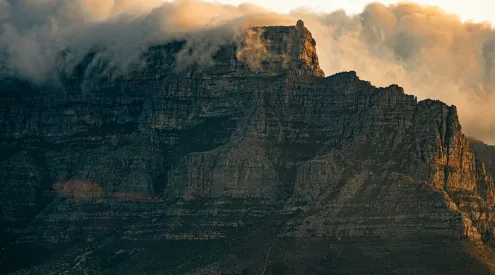


A group of students hiking on Table Mountain faced a challenging ordeal this past Friday, which culminated in a two-part rescue operation by Wilderness Search and Rescue (WSAR), Cape {town} Etc reports.
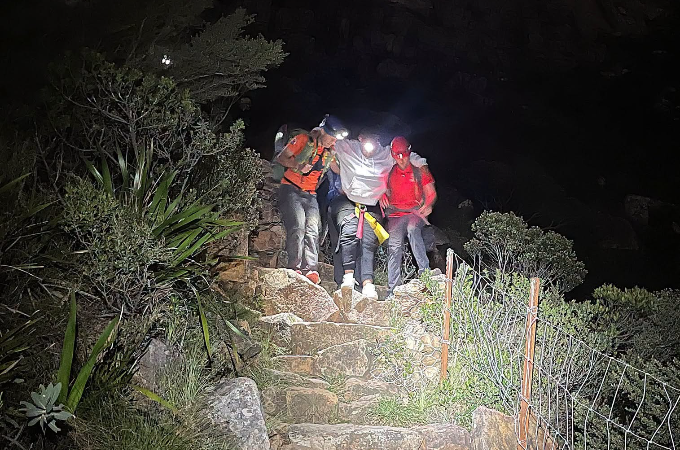
Picture: WSAR / Facebook
The hike, which began in the early morning from Kloof Nek, took a turn for the worse when a young woman in the group injured her ankle between Echo Valley and the top of Platteklip Gorge.
The alarm was raised shortly after 4 PM when the hikers recognised that their injured companion could not continue the trek safely. According to WSAR spokesperson David Nel, the group made the crucial call to the emergency services at 021 937 0300, initiating the rescue protocol.
At the time, the popular Table Mountain Aerial Cableway was closed for its annual maintenance, which meant rescue teams had to utilise the Constantia Nek jeep track to reach the hikers.
However, as rescuers made their way to the site, the students decided to carry the injured young woman themselves and attempted to descend via Platteklip Gorge. In a concerning turn of events, they declined any further assistance from the rescue team, leading to the initial operation being stood down.
Yet, the situation escalated again shortly before 11pm when WSAR received a second call for help. The same group was now in distress while attempting to complete their descent. At this point, it was clear that their earlier decision to forgo assistance had compromised their safety and delayed necessary medical care for the injured hiker.
Rescue teams were quickly redeployed, equipped with warm clothing, food, and water for the exhausted hikers. A paramedic from Western Cape Government Health and Wellness EMS assessed the injured woman, providing essential treatment before rescue personnel assisted her down to a waiting ambulance. She was subsequently transported to the hospital for further evaluation and care.
ALSO READ:
FlySafair eyes new international routes as expansion plans take shape
The entire rescue operation concluded at 1:20am on Saturday, a mission that highlighted both the resilience and the challenging nature of trekking on Table Mountain. Fortunately, despite the ordeal, no further injuries were reported.
David Nel emphasised the critical importance of timely intervention in such incidents. ‘The decision to continue descending without professional help delayed necessary medical assessment and treatment for the injured hiker. We urge outdoor enthusiasts to seek help as soon as it becomes clear that completing the hike safely may not be possible,’
He reiterated some key points for hikers:
- Call for help immediately if your group cannot complete the hike safely. Early notification allows rescuers to plan an efficient response.
- Accepting assistance early can prevent manageable incidents from escalating into prolonged rescues.
- Stay put unless your situation becomes immediately unsafe or rescue teams advise otherwise. Changing plans without notifying rescuers can delay crucial medical care.
Article shared by Cape Etc.
Follow us on social media for more travel news, inspiration, and guides. You can also tag us to be featured.
Instagram | Facebook | Twitter | Spotify
ALSO READ:
South Africa’s first electric safari vehicle could change the future of game drives