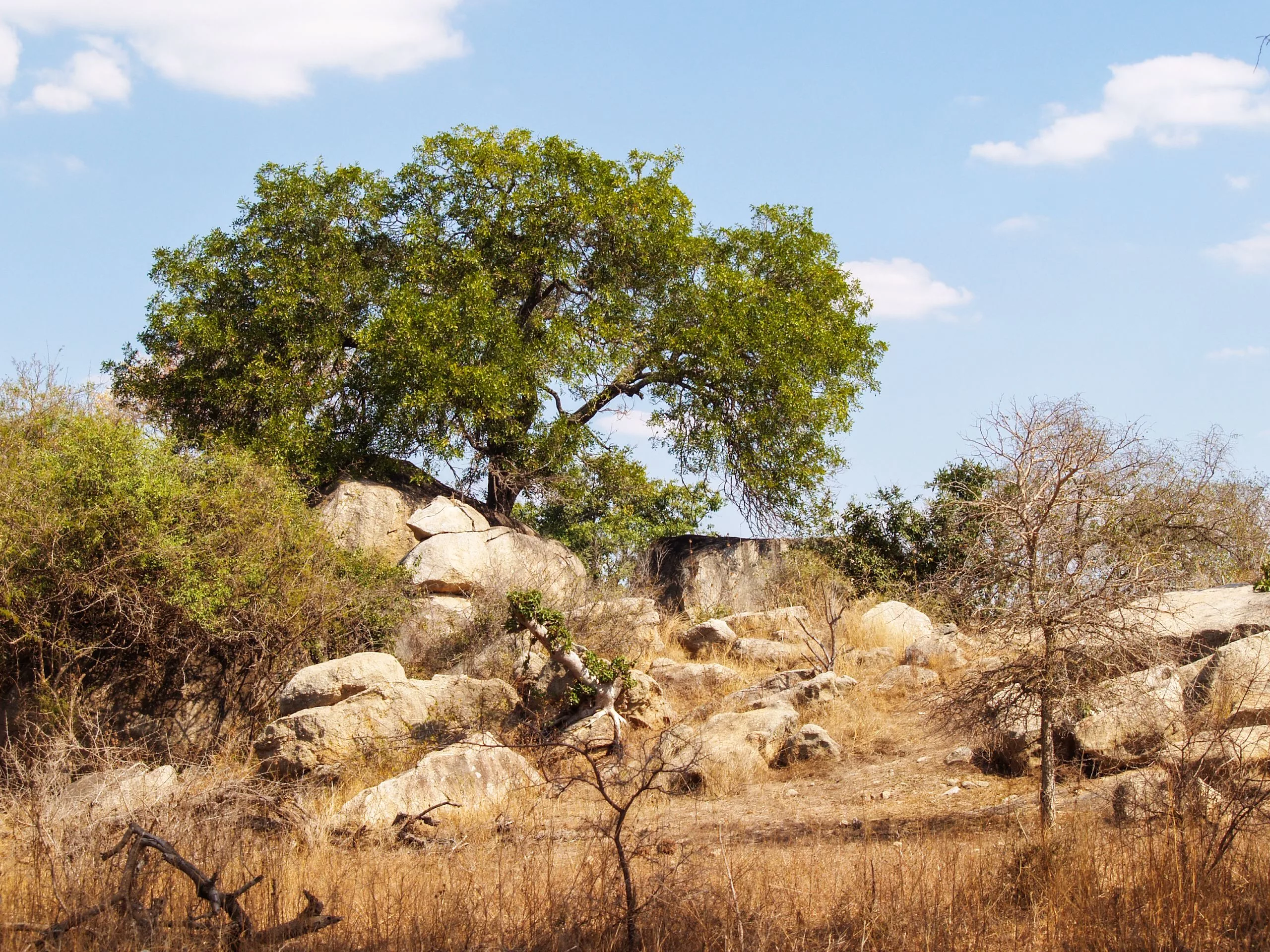








Western Cape rainfall reached record lows across parts of the province in July 2026, with several weather stations recording their driest July since observations began, Cape {town} Etc reports.
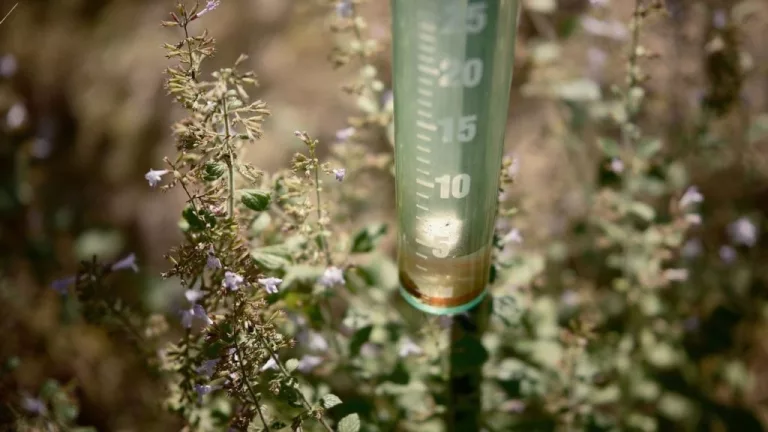
Picture: Michael Obstoj / Pexels
The South African Weather Service (SAWS) says Cape Town International Airport received just 14.4mm of rain during the month, the lowest July total recorded there since 1958.
The figures highlight an unusually dry winter in the south-western Cape, where most annual rainfall normally falls between June and August. According to SAWS, a persistent Atlantic high-pressure system steered cold fronts south of the province, leaving only three weak systems to make landfall during July.

- Cape Town International Airport’s 14.4mm total broke the previous July record of 18.0mm set in 1987. Other stations also reported record lows.
- SA Observatory recorded 15.6mm, its lowest July rainfall in 91 years, while Malmesbury measured 3.2mm, the lowest in 33 years.
- Kirstenbosch received 65.0mm, its lowest July total in 29 years, Hermanus recorded 12.0mm, the lowest in 21 years and Paarl measured 27.6mm, setting a new 17-year record.
ALSO READ:
7 places where kids can become junior scientists
SAWS said preliminary rainfall data shows several stations experienced their lowest July rainfall since records began or exceeded previous record lows.
‘The seasonal weather forecast indicated a strong signal for below-normal rainfall for the south-western Cape during the winter period,’ the weather service said. It added that short-term forecasts suggest this trend is likely to continue into the first week of August.
SAWS also warned that a strengthening El Niño is expected to increase the likelihood of a warmer-than-normal summer across the Western Cape. Given the uncertainty surrounding rainfall during the 2027 winter season, the weather service urged residents to ‘use water sparingly in the coming months.’
The dry spell follows several severe weather systems that affected parts of the Western Cape during May and early June. Those systems significantly improved dam storage levels across much of the province before rainfall tapered off later in winter.
Article shared by Cape Etc.
Follow us on social media for more travel news, inspiration, and guides. You can also tag us to be featured.
Instagram | Facebook | Twitter | Spotify
ALSO READ: