







Researchers from the University of KwaZulu-Natal (UKZN) are using new radar technology at King Shaka International Airport (KSIA) to study the movements of migratory Barn Swallows while helping improve aviation safety.
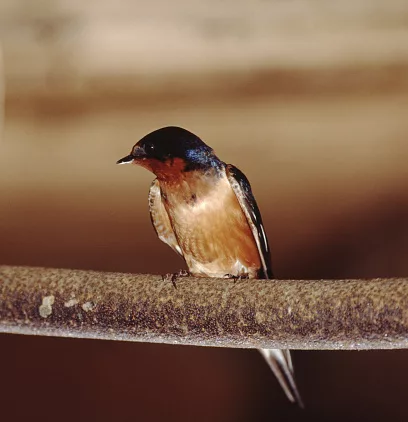
Barn Swallow (Hirundo Rustica). Photographed by acclaimed wildlife photographer and writer, Dr. William J. Weber/Getty Images
The project is a partnership between HENSOLDT South Africa, Robin Radar Systems, Airports Company South Africa (ACSA) and UKZN. As part of the initiative, the airport has been equipped with a Robin Radar Systems MAX bird detection radar, making KSIA one of only two airports in Africa with the full 3D avian radar system.
Tracking thousands of birds in real time
The technology is particularly significant because of the proximity of KSIA to the Mount Moreland Barn Swallow roost.
The internationally recognised roost attracts an estimated three million Barn Swallows (Hirundo rustica) between September and March each year. The migratory birds, known in isiZulu as inkonjane yaseYurobhu, travel thousands of kilometres between Europe and southern Africa.
With the birds’ flight paths overlapping with aircraft operations, understanding their movements is important for both conservation and aviation management.
The radar can track more than 3 000 birds simultaneously within a 15km radius. It records information including flight direction, altitude, speed and flock behaviour in real time.
ACSA Regional General Manager Nkosinathi Myataza said the system would provide wildlife management teams with a clearer picture of bird activity around the airport and support more proactive decision-making.
ALSO READ:
Radar opens new research opportunities
For UKZN’s Biological Sciences team, the technology provides an opportunity to collect information about bird movements on a scale that has previously been difficult to achieve.
Professor Colleen Downs, National Research Foundation South African Research Chairs Initiative Chair in Ecosystem and Biodiversity in KwaZulu-Natal and the Eastern Cape, leads the research. She is working with postdoctoral fellow Dr Cameron Cormac and MSc candidate Matthew Wilkinson.
The researchers are collecting field observations, identifying species and comparing their findings with radar detections. They are also contributing to the radar’s species database to help establish which birds are being detected and how they use the area.
Downs said continuous monitoring could significantly expand what researchers know about birds around the airport.
Traditional monitoring methods, including human observation and GPS tracking, can be restricted by factors such as daylight, weather conditions and the number of birds that can be followed at one time.
The radar can operate continuously, allowing researchers to examine migration patterns, flock movements and habitat use while also investigating how environmental conditions influence bird behaviour.
Balancing conservation and aviation safety
Robin Radar Systems Project Manager and Civil Aviation Team Lead Alex Coccia said the system was designed to support both aviation safety and conservation objectives.
The information gathered through the project could help ACSA make more evidence-based decisions about habitat management around the airport, while also contributing to broader conservation and environmental planning.
For UKZN, the initiative highlights how scientific research can be applied to a practical challenge: understanding and protecting one of KwaZulu-Natal’s most remarkable seasonal wildlife spectacles while managing the risks associated with millions of birds flying near a major international airport.
Source: The Witness.
Follow us on social media for more travel news, inspiration, and guides. You can also tag us to be featured.
Instagram | Facebook | Twitter | Spotify
ALSO READ:
South Africans can visit national parks for free during September