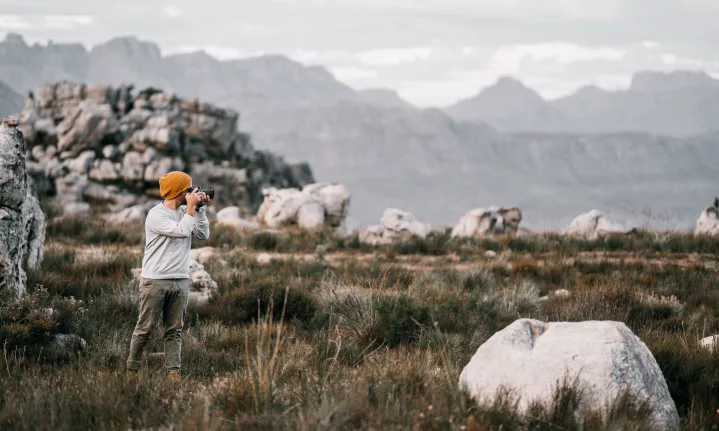
You do not need the latest mirrorless camera or a telephoto lens that costs more than your car to take beautiful photographs. Sometimes, you simply need to be in the right place at the right time.
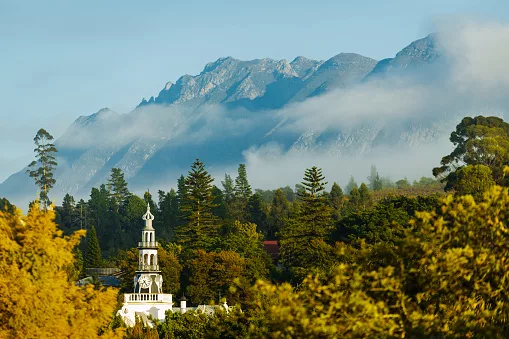
View of Swellendam with Langeberg Range in vew/By: Michal Krakowiak/Getty Images
South Africa makes that particularly easy. From red Kalahari dunes and mountain escarpments to wildlife, wildflowers and dramatic coastlines, the country offers an extraordinary variety of subjects for photographers who are still finding their feet. The trick is choosing destinations where the landscape does some of the work for you.
Here are eight places worth putting on your photography bucket list.
Cape Town, Western Cape
There are few places in South Africa that offer as many photographic opportunities within such a small area as Cape Town. Table Mountain, the Atlantic coastline, beaches, colourful neighbourhoods and historic landmarks give amateur photographers plenty to experiment with, whether you are using a phone or a dedicated camera. Cape Town Tourism highlights the city’s combination of mountain views, beaches, landmarks and cityscapes as some of its most photogenic features.
For a classic Cape Town photograph, head to Bloubergstrand, where Table Mountain rises across Table Bay. Sunrise and sunset can transform an already familiar view, while the city’s beaches offer opportunities to experiment with reflections, silhouettes and movement.
There is plenty to do beyond taking photographs. Walk through the city, visit the V&A Waterfront, explore the Cape Peninsula or hike in Table Mountain National Park. The best part is that you can spend a weekend photographing completely different landscapes without travelling far.
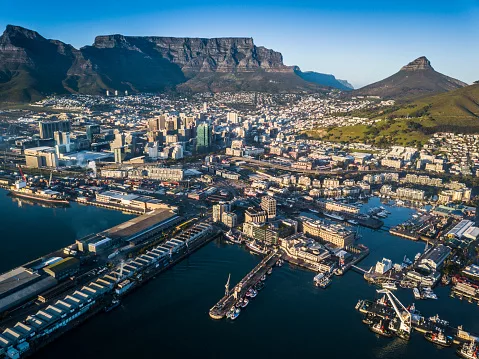
City of Cape Town in South Africa, dockland in the foreground and the iconic Table Mountain towering in the backgroundBy: Rodger Shagam/Getty Images
Kruger National Park, Mpumalanga and Limpopo
For anyone wanting to try wildlife photography, the Kruger National Park is an obvious place to start. The park was created in 1926 through the merger of the Sabie and Shingwedzi game reserves, forming one of South Africa’s most important protected areas. Today, it remains one of the country’s great wildlife destinations, with opportunities to see the Big Five as well as numerous other mammals and birds. Visitors can explore by self-drive, guided game drive or guided walk.
Photography here is less about finding the perfect landscape and more about learning patience. Stop at waterholes, watch animal behaviour and pay attention to birds giving alarm calls. You may arrive hoping to photograph a lion and leave with a far better photograph of an elephant covered in dust or a kingfisher sitting perfectly still.
For beginners, the dry winter and early spring months, roughly May to early October, are particularly useful for wildlife photography because animals are easier to spot around water sources.
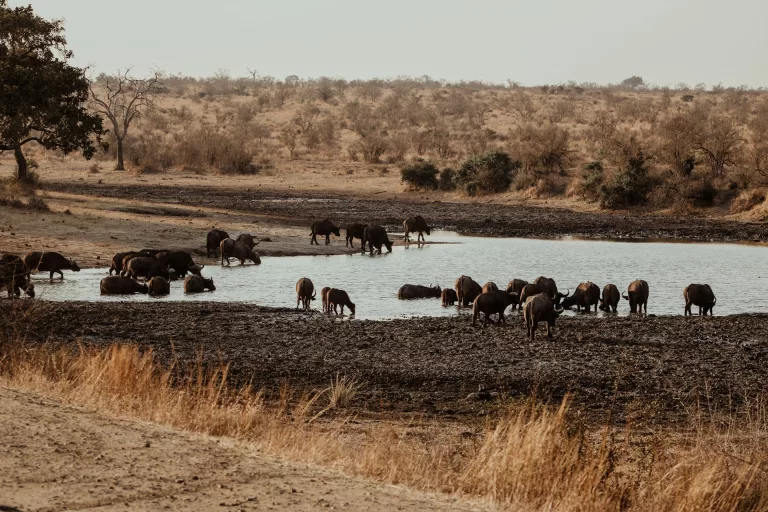
Kruger National Park/Deborah Varrie/Unsplash
Drakensberg, KwaZulu-Natal
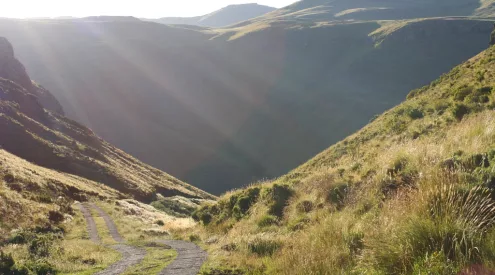
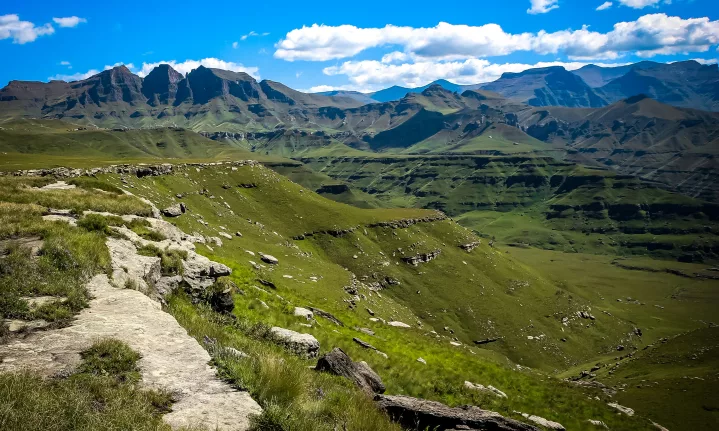
The Drakensberg is where landscape photographers can really play. The mountains stretch along the border between KwaZulu-Natal and Lesotho, offering dramatic cliffs, valleys, waterfalls and enormous skies. The region also contains an extraordinary record of San rock art, with tens of thousands of paintings found across the wider Drakensberg cultural landscape.
You do not need to be an experienced hiker to enjoy photographing the area. Choose an accessible trail, find a viewpoint and let the landscape guide the composition. Clouds rolling over the mountains, changing afternoon light and reflections in rock pools can all create completely different photographs from the same location.
The Drakensberg is also a destination worth visiting without a camera in hand. Hiking, birding and exploring the area’s cultural heritage add depth to a trip that could otherwise become an exercise in chasing photographs.
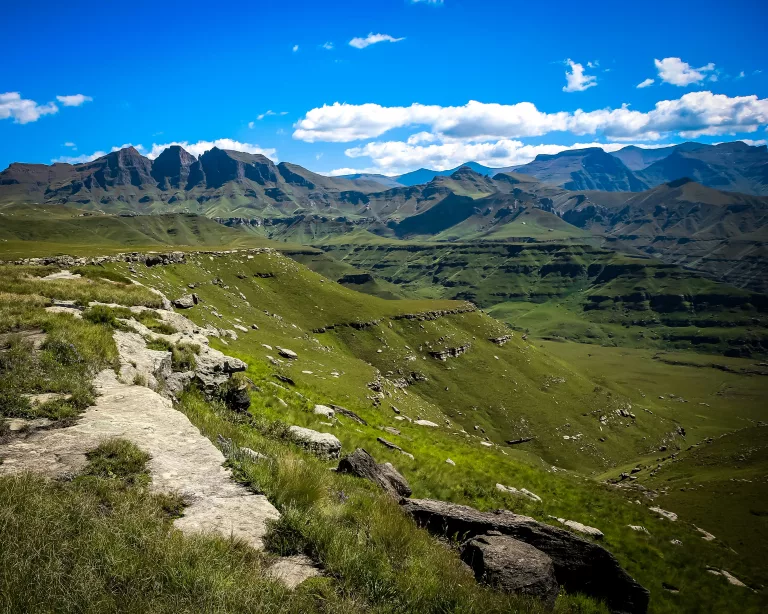
View of the Southern Drakensberg from the top of Bushman’s Nek Pass / Arthur Hickinbotham / Unsplash
Kgalagadi Transfrontier Park, Northern Cape
The Kgalagadi is for photographers who enjoy a little patience and a lot of space. The park combines South Africa’s former Kalahari Gemsbok National Park with Botswana’s Gemsbok National Park. The two countries agreed to manage the area as one ecological unit, and the Kgalagadi Transfrontier Park was formally launched in 2000 as southern Africa’s first transfrontier park.
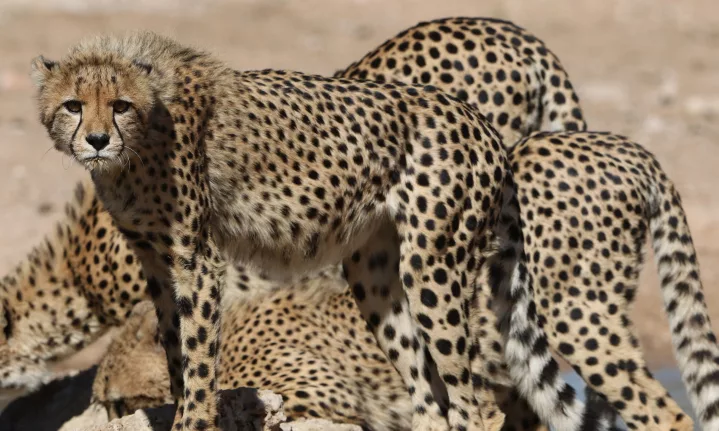
The landscape is strikingly different from the greener safari destinations. Red dunes, dry riverbeds, enormous skies and sparse vegetation create simple compositions, while wildlife gathers around waterholes. Springbok, gemsbok, meerkats, birds of prey, lions and other desert-adapted species can all provide photographic opportunities.
The dry winter months are particularly good for photography, with animals often concentrating around waterholes and the low-angle light creating long shadows across the dunes. It is also a good place to practise photographing birds and smaller animals. You quickly learn that you do not need a dramatic subject to make an interesting photograph.
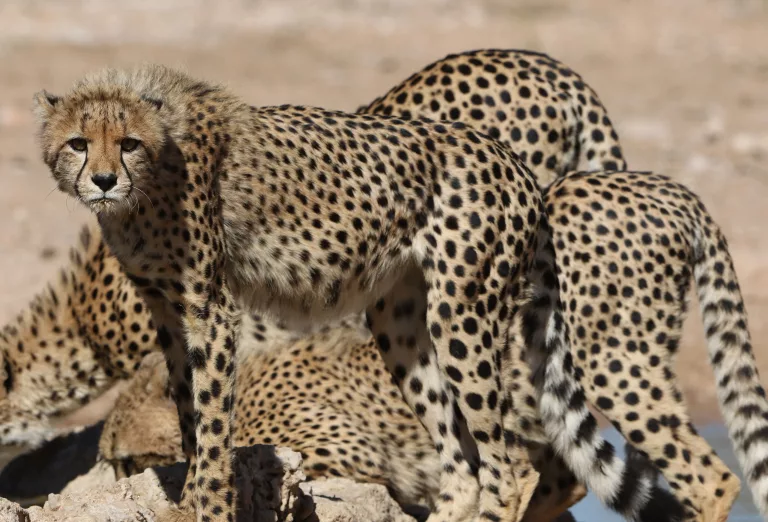
Group of cheetahs resting in Kgalagadi Transfrontier Park, captured in natural habitat / Derek Keats / Pexels
West Coast National Park, Western Cape
Every August and September, parts of the West Coast become a photographer’s playground as wildflowers transform the landscape with colour. The Postberg section of West Coast National Park is particularly well known for its seasonal display, with flowers and wildlife making for an unusually colourful combination.
The timing is important. The flower season is brief and dependent on winter rainfall, so this is not a destination where you can simply arrive whenever you feel like it and expect the same landscape.
Outside flower season, the park still offers plenty to photograph, including lagoon views, coastal landscapes, birds and wildlife. Slow down and look for details rather than trying to capture everything in one frame. A close-up of a flower, for example, can be just as effective as a sweeping landscape.
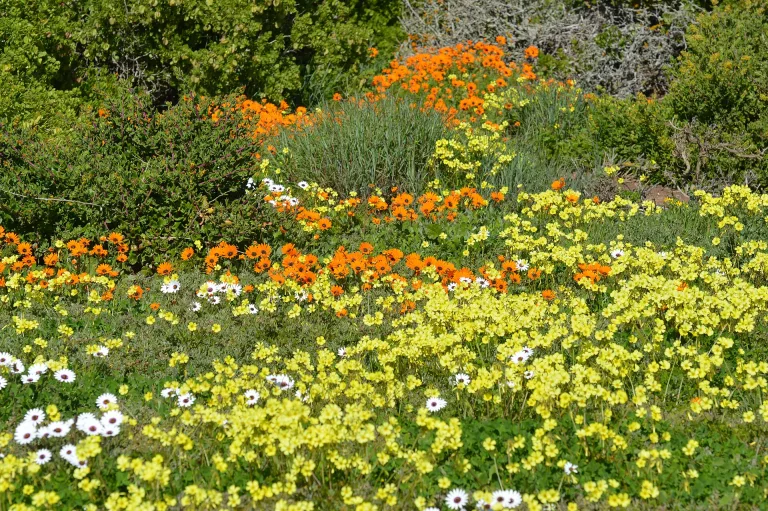
Flowers during the 2021 flower season in the West Coast National Park / Photo by Discott / Wikimedia Commons
Blyde River Canyon, Mpumalanga
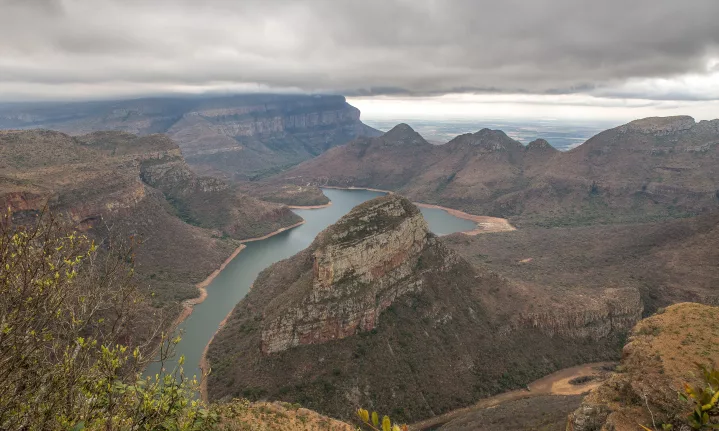
There is something wonderfully uncomplicated about photographing a canyon. You find a viewpoint, wait for good light and suddenly understand why the landscape has attracted photographers for generations. The Blyde River Canyon, also known as the Motlatse Canyon, forms part of Mpumalanga’s dramatic escarpment landscape. The canyon is about 26km long and is one of the province’s defining natural attractions, with viewpoints including God’s Window and the Three Rondavels offering sweeping views across the landscape.
This is a particularly forgiving destination for amateur photographers because there is so much scale and texture. Layered mountains, rock formations, vegetation and changing weather all give you something to work with.
Make time for the viewpoints, but do not make the entire trip about photographs. The Panorama Route also offers waterfalls, hiking opportunities and other scenic stops, making it easy to turn a photography trip into a proper road trip.
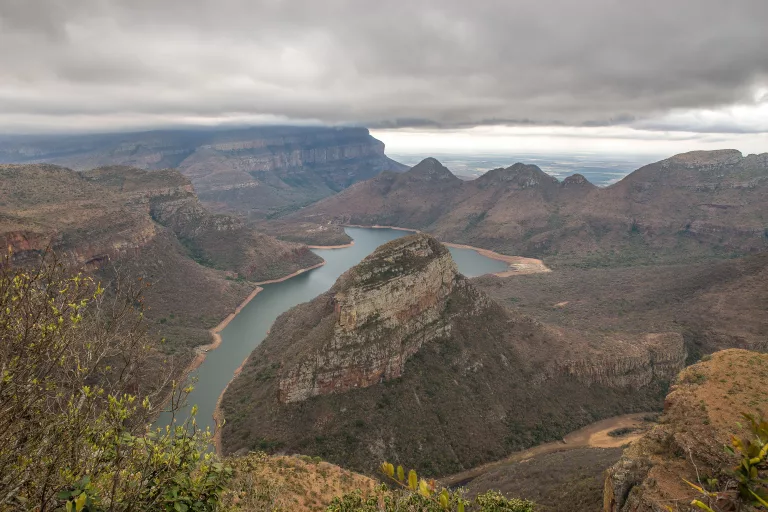
A breathtaking aerial view of Blyde River Canyon with rocky landscapes and cloudy sky / Mike van Schoonderwalt / Pexels
Addo Elephant National Park, Eastern Cape
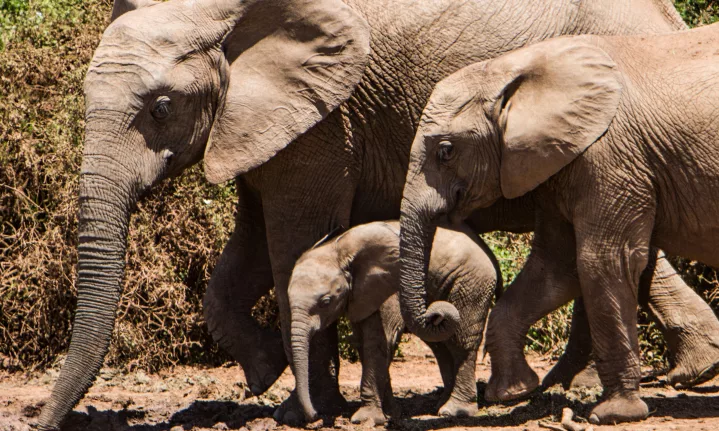
Addo is a reminder that conservation stories can be just as powerful as photographs. The park was proclaimed in 1931 after the elephant population in the region had been reduced to just 11 animals. Hunting and conflict with farmers had taken a devastating toll on the herds. The original park covered just over 2,000 hectares, but Addo has since grown considerably and now protects a much wider range of biodiversity.
For amateur photographers, elephants are understandably the main attraction, but they are not the only subjects. Cape buffalo, black rhino, antelope and the park’s distinctive flightless dung beetle can all be found here.
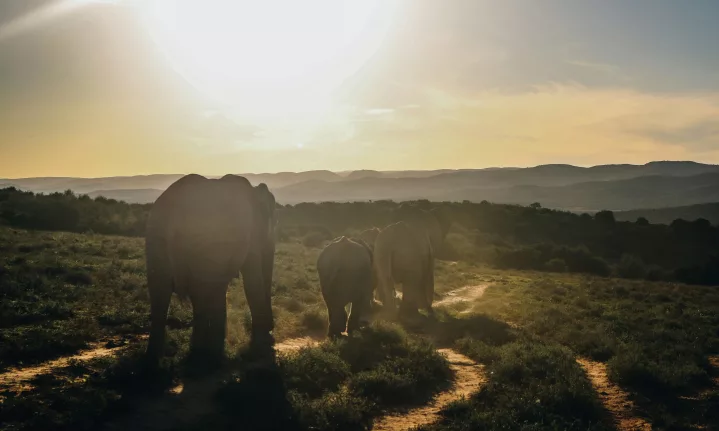
Addo is also a good introduction to wildlife photography because it can be explored on self-drive routes. There is something particularly satisfying about finding your own subject, switching off the engine and waiting for the moment to unfold.
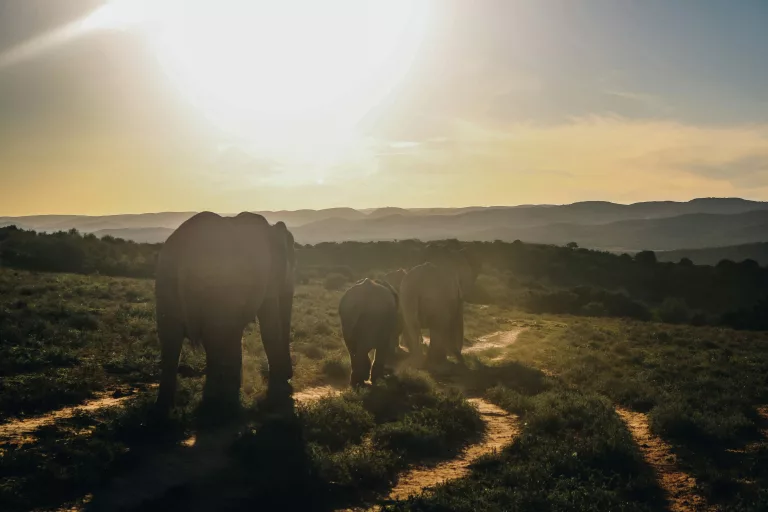
Photo taken in Addo Elephant National Park. After a whole day in the park, we saw these beautiful animals walking down the sunset / Hanne Neijlands / Unsplash
iSimangaliso Wetland Park, KwaZulu-Natal
If you want to photograph more than one type of landscape in a single trip, iSimangaliso is difficult to beat. The UNESCO World Heritage Site encompasses a remarkable mix of coastal, marine and wetland environments, including beaches, dunes, lakes, estuaries, mangroves, forests, grasslands and coral reefs. It was inscribed on the World Heritage List in 1999.
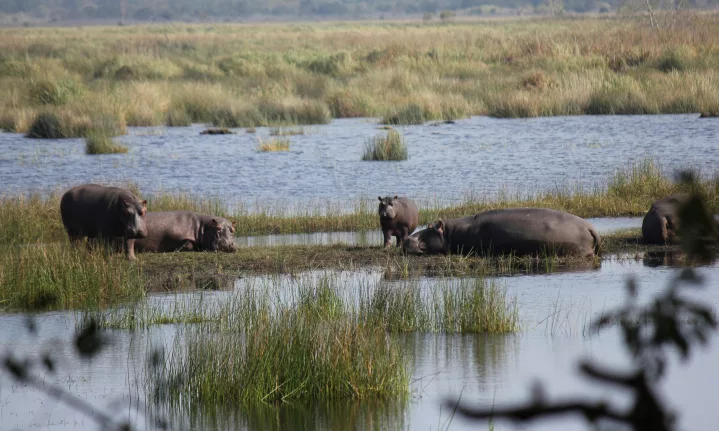
The variety makes it particularly rewarding for photographers. Depending on where you explore, you might photograph hippos in wetlands, birds along the lakes, coastal landscapes, marine life or turtles nesting on beaches. UNESCO identifies turtle nesting, marine megafauna and large gatherings of waterbirds among the area’s notable natural phenomena.
Spend time on the water, explore the coastline or take a guided wildlife experience. Then put the camera down for a while and simply watch the landscape. It is one of those places where the photographs tend to become better once you stop trying so hard to take them.
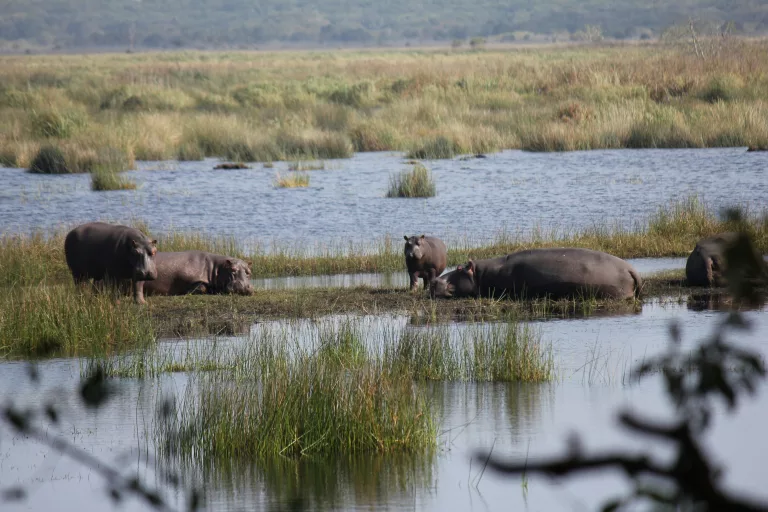
Hippo’s tanning in the warm sun / Martie Bloem / Unsplash
Start with the camera you already have
The beauty of photographing South Africa is that you do not need to begin with expensive equipment. A phone can teach you about composition, light, perspective and timing just as effectively as a camera can. More importantly, these destinations offer a chance to learn by doing. Photograph the same mountain at different times of day. Try wildlife from a distance before reaching for a longer lens. Look for details that other people walk past. Wait for the light.
The best photograph from a South African road trip may not be the one you planned before leaving home. It could be the elephant that appears beside the road, the storm moving across the Drakensberg or a single flower catching the morning sun. And that is perhaps the best reason to travel with a camera. You start by looking for photographs, and eventually you learn to really look at the places you are visiting.
Follow us on social media for more travel news, inspiration, and guides. You can also tag us to be featured.
Instagram | Facebook | Twitter | Spotify
ALSO READ:
The ultimate South African road trip for the country’s shortest-lived spectacles