




South Africa offers an astonishing variety of birdlife. Home to more than 850 recorded bird species, the country is one of the world’s premier birdwatching destinations, with habitats ranging from fynbos and forests to wetlands, grasslands and savannas.
While every species has its own charm, a handful stand out for their beauty, rarity or unmistakable presence.
From the haunting call of the African Fish Eagle to the flamboyant Knysna Turaco, these are eight birds every South African should make an effort to see at least once.
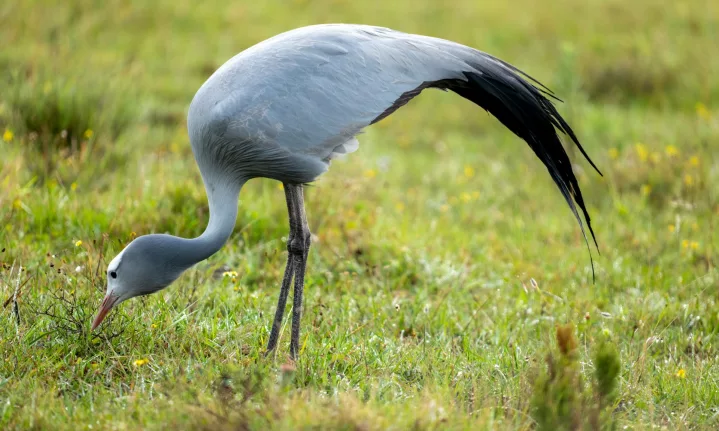
Blue Crane
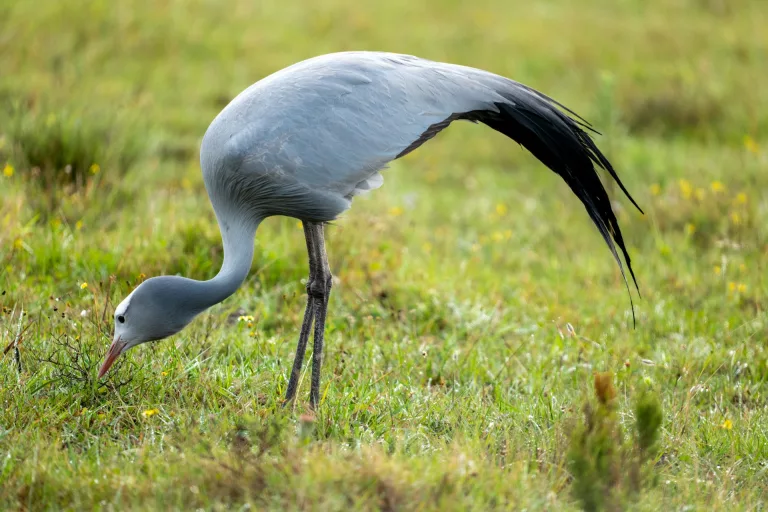
Matthias Wesselmann/Unsplash
South Africa’s national bird, the Blue Crane, is as graceful as it is iconic. Standing about a metre tall, it is instantly recognisable by its pale blue-grey plumage and elegant, trailing wing feathers that almost sweep the ground.
Blue Cranes are famous for their elaborate courtship displays, which include dancing, bowing and energetic leaps into the air. Although their numbers declined significantly during the 20th century due to habitat loss and power line collisions, conservation efforts have helped many populations recover.
The Overberg region in the Western Cape remains one of the best places to see them, particularly during spring and early summer when breeding activity is at its peak. They can also be spotted in parts of the Eastern Cape and KwaZulu-Natal Midlands.
Knysna Turaco
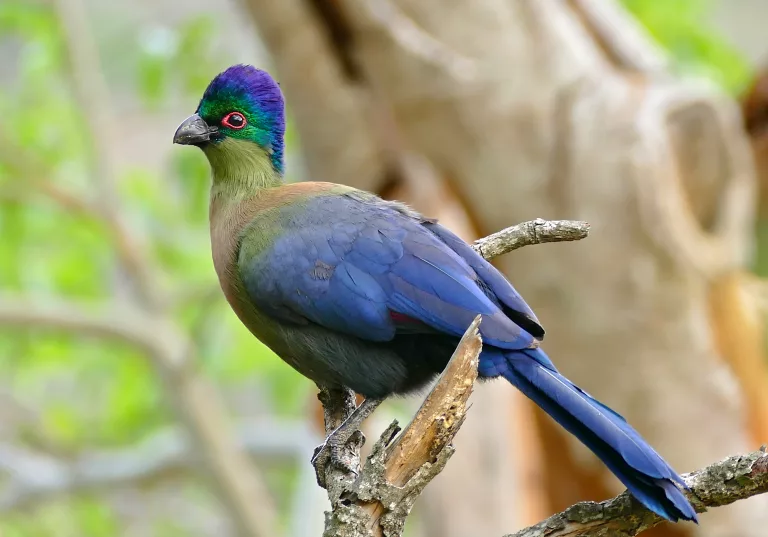
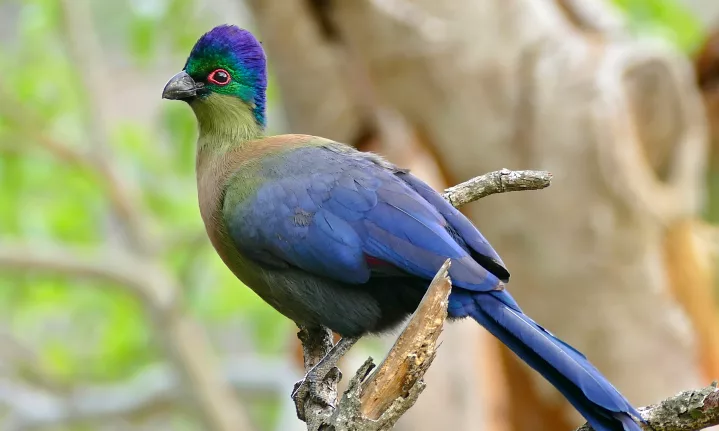
Purple-crested Turaco/Bernard DUPONT from FRANCE/Wikimedia Commons
Often topping birders’ wish lists, the Knysna Turaco is one of South Africa’s most spectacular forest birds. Its vivid emerald-green plumage blends seamlessly into indigenous forests, making it surprisingly difficult to spot despite its bright colours.
Watch one take flight, however, and it reveals striking crimson flight feathers that few first-time observers ever forget. The bird’s loud, barking call often gives away its location before it comes into view.
The indigenous forests of Knysna, Wilderness and Tsitsikamma offer some of the country’s best opportunities to encounter this Garden Route favourite.
African Fish Eagle
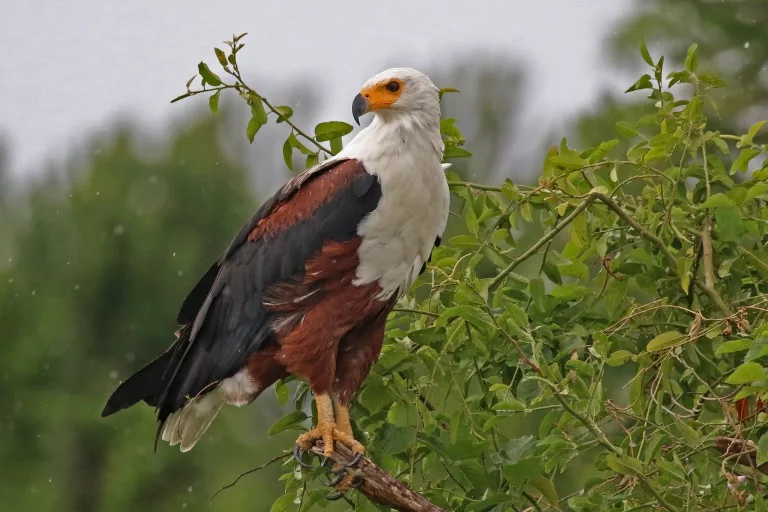
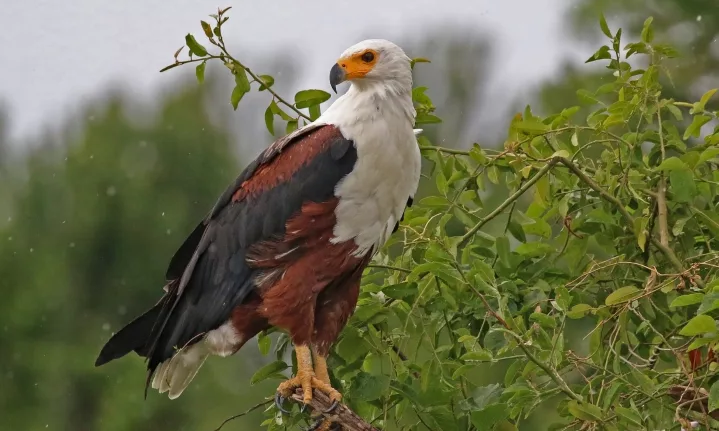
African Fish Eagle/Charles J. Sharp/Wikimedia Commons
Few sounds capture the spirit of Africa quite like the unmistakable cry of the African Fish Eagle. Frequently heard before it is seen, this majestic raptor has become synonymous with rivers, lakes and wilderness across southern Africa.
Its striking white head, chestnut body and powerful yellow beak make it one of the continent’s most recognisable birds. As its name suggests, fish make up most of its diet, and watching one swoop down to snatch prey from the water is an unforgettable wildlife spectacle.
Kruger National Park, iSimangaliso Wetland Park, the Blyde River Canyon area and many of South Africa’s large dams offer excellent viewing opportunities.
ALSO READ:
Secretarybird
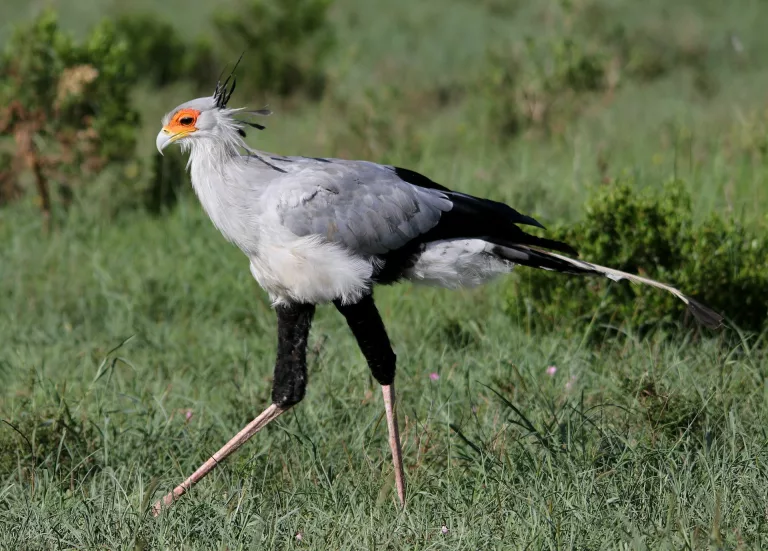
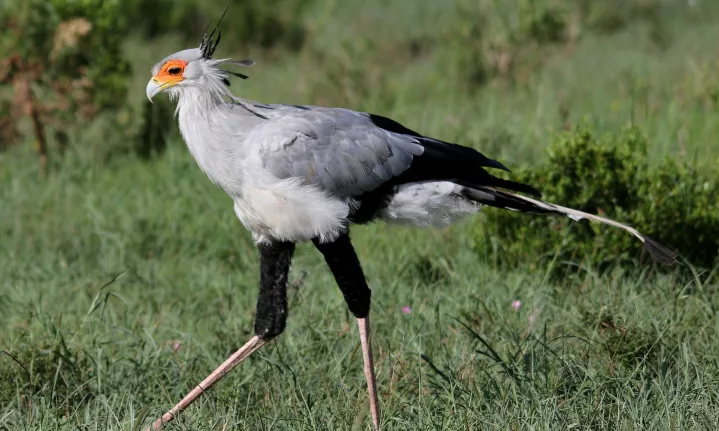
Secretarybird/Elize Bezuidenhout/Unsplash
With its exceptionally long legs and elegant crest of black feathers, the Secretarybird hardly resembles any other bird in Africa. Rather than hunting from the air, it spends most of its day walking across open grasslands in search of snakes, rodents, insects and other small prey.
The bird is particularly famous for its ability to kill venomous snakes by delivering rapid, powerful kicks.
Although populations have declined due to habitat loss and agricultural expansion, protected areas such as Golden Gate Highlands National Park, Mokala National Park and several Highveld reserves still provide rewarding sightings.
Southern Ground Hornbill
Large, charismatic and highly intelligent, the Southern Ground Hornbill is impossible to mistake. These striking black birds with vivid red facial skin spend most of their lives walking through the bush in family groups, searching for insects, reptiles, small mammals and amphibians.
They are also among Africa’s slowest-breeding birds, with groups raising very few chicks over their lifetime. This makes them particularly vulnerable to habitat loss and other human pressures.
Kruger National Park remains one of the country’s most reliable places to see them, while Pilanesberg National Park and several private reserves in Limpopo and Mpumalanga also offer excellent chances.
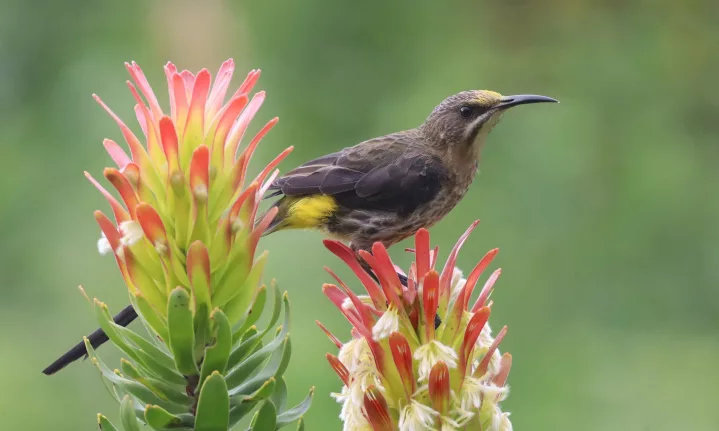
Cape Sugarbird
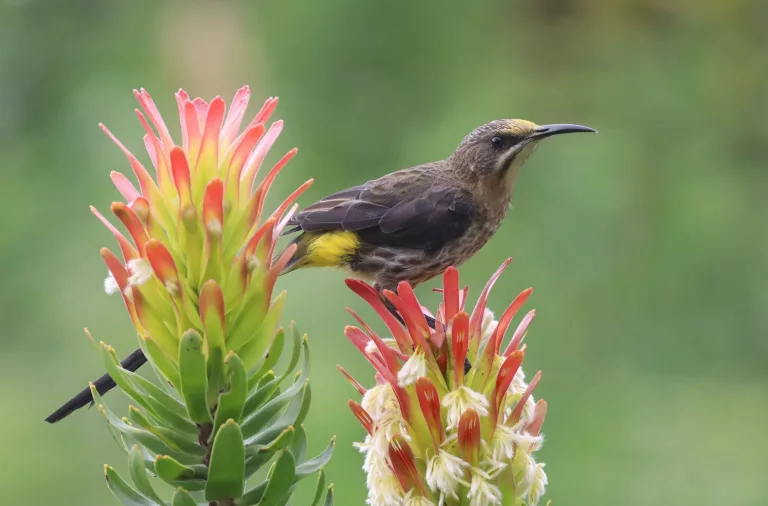
Cape Sugarbird/Paul Hoekman/Wikimedia Commons
Found nowhere else on Earth, the Cape Sugarbird is one of the fynbos biome’s true specialists. With its long, elegant tail and downward-curving bill, it is perfectly adapted to feeding on nectar from proteas, while also helping pollinate these iconic plants.
Males become especially striking during the breeding season when their elongated tail feathers are at their most impressive.
Cape Town’s Table Mountain National Park, the Kogelberg Biosphere Reserve and the Cederberg are among the finest places to watch these endemic birds flit between flowering proteas.
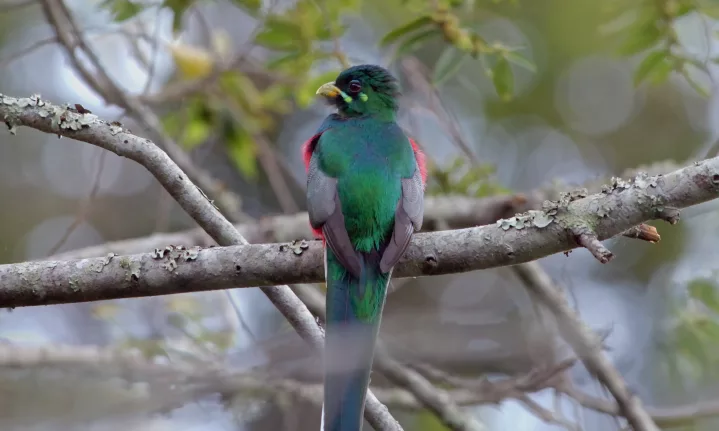
Narina Trogon
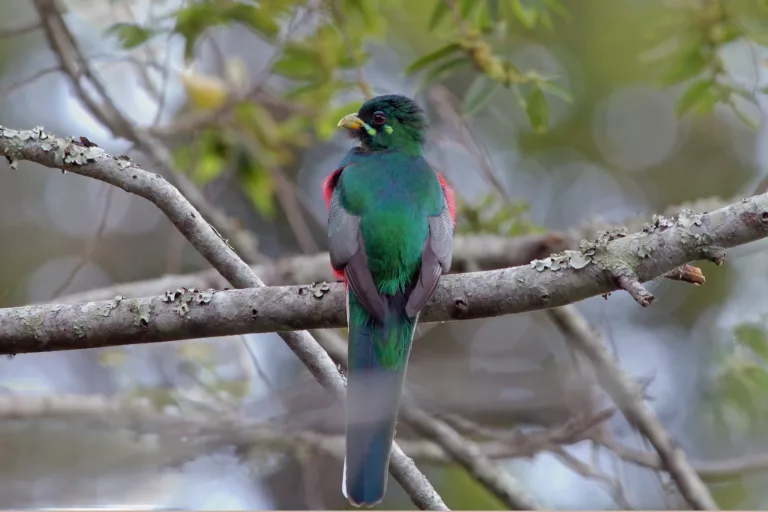
Narina Trogon/Patty McGann/Wikimedia Commons
The Narina Trogon is one of South Africa’s most elusive and rewarding forest birds. Patient birdwatchers may be lucky enough to glimpse its shimmering emerald-green back, scarlet belly and distinctive yellow eye-ring as it quietly moves through dense indigenous forests.
Unlike many colourful birds, the Narina Trogon often sits motionless for long periods, relying on camouflage rather than movement to avoid detection.
Some of the country’s best locations include iSimangaliso Wetland Park, Magoebaskloof in Limpopo and the indigenous forests of the Garden Route.
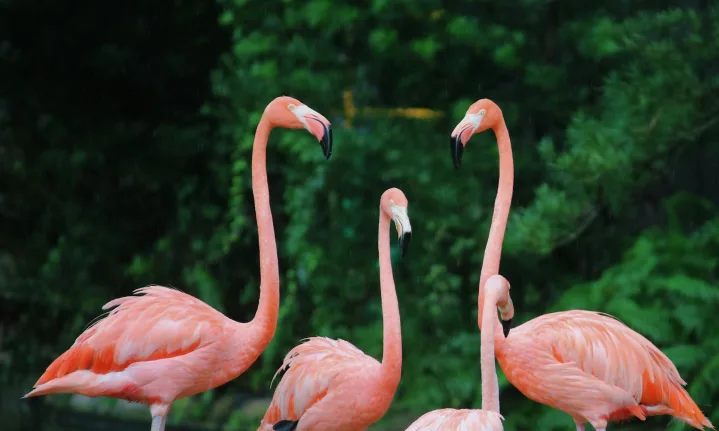
Flamingos
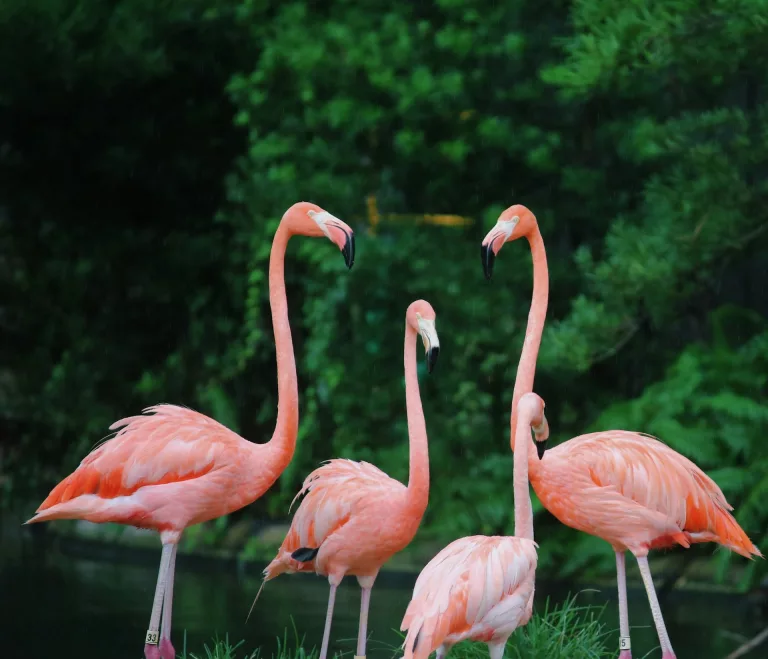
Sharisse Bullock/Unsplash
Whether you encounter Greater or Lesser Flamingos, witnessing thousands of these elegant pink birds gathered across a wetland is an unforgettable experience. Their colour comes from carotenoid pigments found in the algae and tiny crustaceans they consume.
Greater Flamingos are the larger and paler of the two species, while Lesser Flamingos display deeper pink plumage and darker bills.
Some of South Africa’s best flamingo spectacles can be found at West Coast National Park’s Langebaan Lagoon, Kamfers Dam near Kimberley, Strandfontein Bird Sanctuary in Cape Town and wetlands around Wakkerstroom during the right season.
Why these birds deserve a place on your bucket list
South Africa’s extraordinary birdlife reflects the country’s equally diverse landscapes. From the fynbos-covered mountains of the Cape to the forests of the Garden Route, the grasslands of the Highveld and the wetlands of the West Coast, each habitat offers the chance to encounter species found nowhere else—or nowhere quite like them.
Whether you tick off all eight in a single year or over a lifetime of travels, each sighting offers another reason to appreciate the remarkable natural heritage on our doorstep.
Follow us on social media for more travel news, inspiration, and guides. You can also tag us to be featured.
Instagram | Facebook | Twitter | Spotify
ALSO READ:
Beyond safari: Meet the new ‘big five’ on travellers’ wildlife wishlists




_(32424422866).jpg)
.jpg)

_(1).jpg)