





South Africa’s wild spaces are inseparable from the people who have lived alongside them for centuries. From ancient kingdoms and rock art to oral storytelling traditions that still shape daily life, these landscapes hold far more than just wildlife sightings.
These six weekend experiences combine game viewing with cultural depth, offering meaningful travel that supports conservation, community and heritage, writes Lee-Ann Steyn.
Hluhluwe–iMfolozi and Zulu cultural villages in northern KwaZulu-Natal

Impala at Hluhluwe-Umfolozi Game Reserve/Derek Keats from Johannesburg, South Africa/Wikimedia Commons
Big Five conservation meets living Zulu heritage
Hluhluwe–iMfolozi Park is one of South Africa’s greatest conservation success stories. Known for saving the southern white rhino from extinction, the park delivers classic Big Five game viewing within a compact area that works well for a long weekend.
Beyond the safari gates, nearby Zulu cultural villages like DumaZulu Cultural Village and community-run experiences add context to the land. Visitors can explore homesteads, learn about beadwork symbolism, attend traditional dance performances or listen to oral histories that explain how wildlife, ancestors and land are deeply connected.
Choosing locally guided cultural visits ensures tourism revenue flows back into surrounding communities, creating a meaningful link between conservation and culture.
Addo Elephant National Park and Route 67 in Gqeberha

Elephants at Addo Elephant National Park/Wolfgang Hasselmann/Unsplash
Elephants and art-led history by day
Addo Elephant National Park is one of the Eastern Cape’s standout safari destinations, home to more than 600 elephants alongside lions, buffalo and endemic species found nowhere else on Earth.
Pairing Addo with time in Gqeberha adds a powerful cultural dimension. The Route 67 heritage trail winds through the city, linking 67 public artworks that celebrate South Africa’s democratic journey, local artists and Nelson Mandela’s legacy.
This combination works particularly well for travellers looking to balance nature with urban culture, while supporting creative economies and historical storytelling initiatives.
Marakele National Park and Waterberg heritage landscapes

Marakele National Park valley/Bernard DUPONT/Wikimedia Commons
Mountains, vultures and ancestral land stories
Set in the heart of the Waterberg, Marakele National Park offers dramatic scenery, rare birdlife and excellent game viewing in a malaria-free environment. It is also home to one of the world’s largest Cape vulture colonies.
The surrounding Waterberg region is rich in cultural history, from ancient stone tools to stories of early cattle farmers and Tswana communities. Guided heritage walks, community storytelling and visits to local cultural centres reveal how people have shaped and protected this landscape over generations.
A weekend here highlights how conservation areas do not exist in isolation but form part of a broader cultural ecosystem.
Kruger National Park and Shangaan storytelling experiences
Safari icons layered with living oral history
Kruger National Park remains South Africa’s most iconic wildlife destination, yet its cultural layers are often overlooked. The northern regions of the park, in particular, offer opportunities to engage with Shangaan and Venda heritage through guided storytelling and archaeological exploration.
Visits to sites like Thulamela reveal Iron Age settlements that once thrived through regional trade networks. Storytelling sessions hosted by local guides bring legends, customs and ecological knowledge to life, offering insight into how people and wildlife have coexisted for centuries.
This approach transforms a traditional safari into a richer, more reflective experience.
ALSO READ:
Mapungubwe National Park where wildlife meets ancient kingdoms

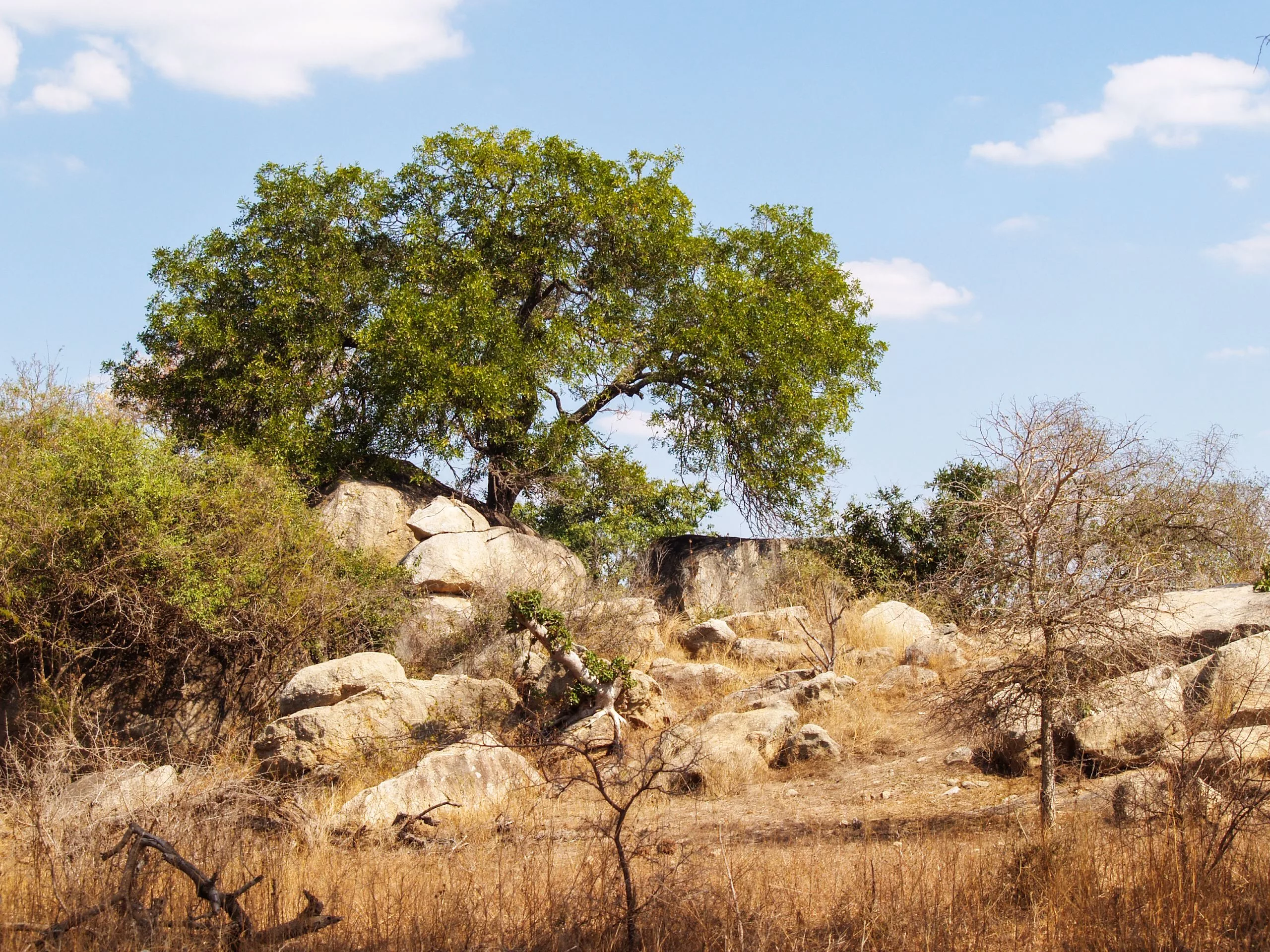
Mapungubwe National Park/Laura SA/Wikimedia Commons
A UNESCO landscape shaped by power and trade
Mapungubwe National Park is one of South Africa’s most extraordinary destinations, combining rugged wilderness with deep archaeological significance. The park protects the remains of the Mapungubwe Kingdom, southern Africa’s earliest known civilisation and a recognised UNESCO World Heritage Site.
Guided heritage tours explain how this sophisticated society traded gold, ivory and ceramics with distant lands, long before colonial borders existed. Game drives through the Limpopo River valley add sightings of elephants, leopards, and abundant birdlife.
Few places in the country offer such a seamless blend of natural beauty and historical weight.
Community-led cultural experiences that deepen any safari weekend
Travel that gives back while adding meaning
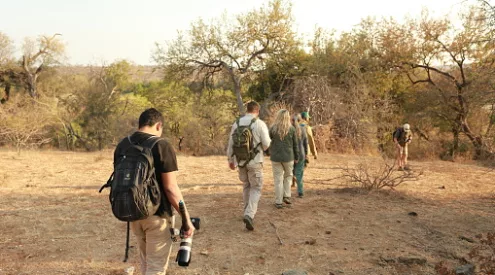
Across South Africa, many conservation areas are surrounded by community projects offering authentic cultural experiences. These include guided nature walks with local trackers, craft workshops led by artisans, traditional cooking demonstrations, and rural homestays.
Adding even one of these experiences to a weekend safari supports local livelihoods while giving travellers a more grounded understanding of place. Purpose-driven travel is not about ticking boxes but about choosing encounters that respect people, land, and wildlife equally.
Why these weekends matter
Wildlife tourism has long been one of South Africa’s greatest assets. Blending it with cultural storytelling creates trips that feel more personal, educational, and responsible. These weekend escapes prove that meaningful travel does not require long distances or international flights, only thoughtful choices and a willingness to listen.
Follow us on social media for more travel news, inspiration, and guides. You can also tag us to be featured.
TikTok | Instagram | Facebook | Twitter
ALSO READ:
6 Southern African canoe journeys through living cultural landscapes




.jpg)
