





Wine routes may be some of South Africa’s best-known road-trip experiences, but you don’t need to drink wine to enjoy the landscapes, farms and food along the way.
Across the country, food producers have created their own reasons to stop, taste and explore. Think handmade cheese in the KwaZulu-Natal Midlands, oysters along the Garden Route, Karoo lamb and farm produce, or fresh bread and fruit in the Western Cape.
These food-focused routes offer a different way to experience some of South Africa’s best-known food destinations, with plenty to see and do without a wine tasting.
1. Follow cheese and farm produce through the Midlands
The Midlands Meander is already well known for its country scenery, restaurants, farm stalls and artisan producers, making it an easy place to build a food-focused road trip.
Instead of following cellar doors, follow the farms and food producers scattered between Howick, Nottingham Road, Balgowan and the surrounding countryside. The official Midlands Meander includes five scenic routes with food and drink, markets, crafts and outdoor activities along the way.
Stop for local cheese
Cheese is a natural starting point. At Indezi River Creamery, visitors can shop for handcrafted cow, goat and sheep milk cheeses, as well as yoghurt, butter and kefir. The dairy shop also stocks preserves, jams, dressings, pies and other locally produced food.
Continue the journey with a stop at the Karkloof Farmers’ Market, where stalls include fresh vegetables and home-baked treats. The wider Meander also has farm restaurants, cafés and food producers to explore. The market is only open on Saturdays from 8 AM to 12 PM.
Add a little more than food
The beauty of the Midlands is that you can break up the eating with walks, cycling, markets, crafts or a visit to one of the area’s natural attractions.
It turns the route into a full country escape rather than simply a series of tasting stops.
2. Follow oysters and seafood around Knysna
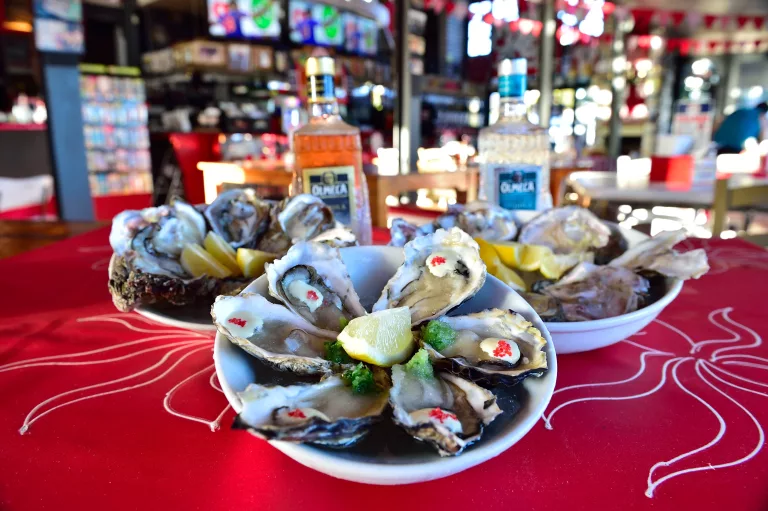
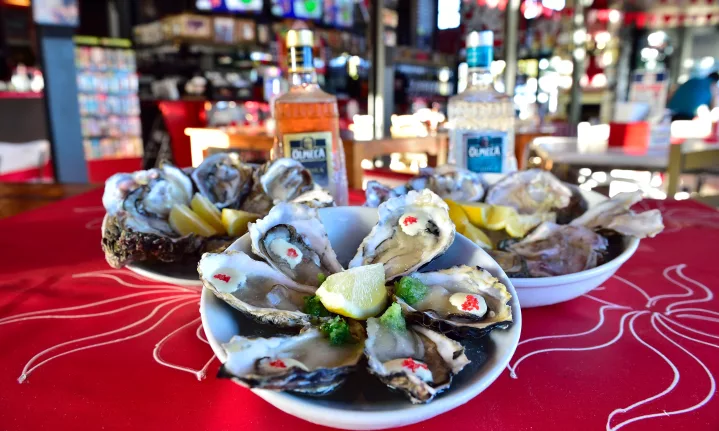
Knysna Tapas & Oysters, Thesen Island/South African Tourism from South Africa/Wikimedia Commons
Knysna offers a coastal alternative to the traditional wine route, with the lagoon, forests and ocean providing the backdrop for a journey centred on seafood.
Oysters are the obvious starting point. The area’s wild Knysna oysters occur naturally along parts of South Africa’s southern coastline, while cultivated Pacific oysters are also available in the region.
Learn about the oyster
Rather than simply ordering a dozen oysters at a restaurant, look for an experience that explains where they come from.
Knysna Charters offers oyster experiences that include learning how to shuck oysters and how to distinguish between farmed and wild varieties. Visitors can also take an oyster-focused trip on the lagoon.
Make it a coastal food trip
Seafood is not limited to oysters. Local menus include mussels, line fish, prawns, calamari and other seafood, while fresh fish and seafood can also be bought to prepare yourself.
Between meals, explore the Knysna Lagoon, head towards the Knysna Heads, walk through the forest or spend time along the coast.
The result is a food trail where the scenery is just as important as what is on the plate.
3. Follow Karoo flavours around Prince Albert
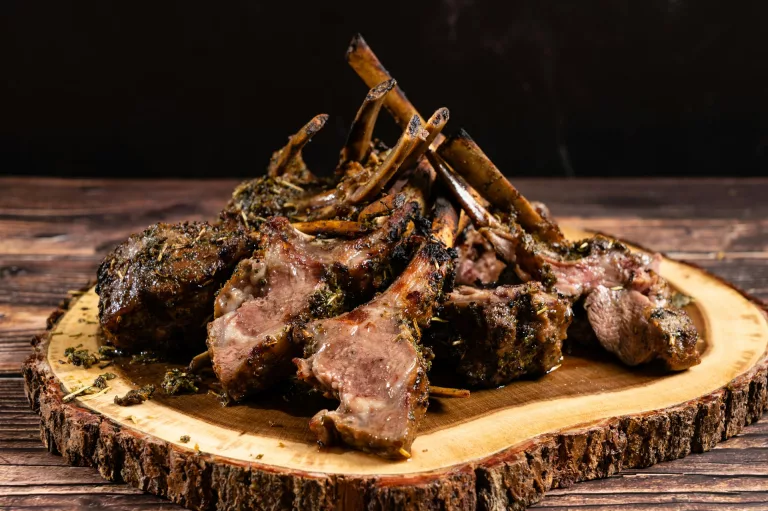
Lamb chops image used for illutrative purposes/Snappr/Unsplash
A Karoo road trip can easily become a food journey in its own right.
Prince Albert, at the foot of the Swartberg Pass, is surrounded by farms and is known for fresh produce, local food and farm-to-table cooking. The town’s tourism association highlights local specialities including Karoo lamb, artisanal cheeses, olives, fresh-baked bread and seasonal fruit and vegetables.
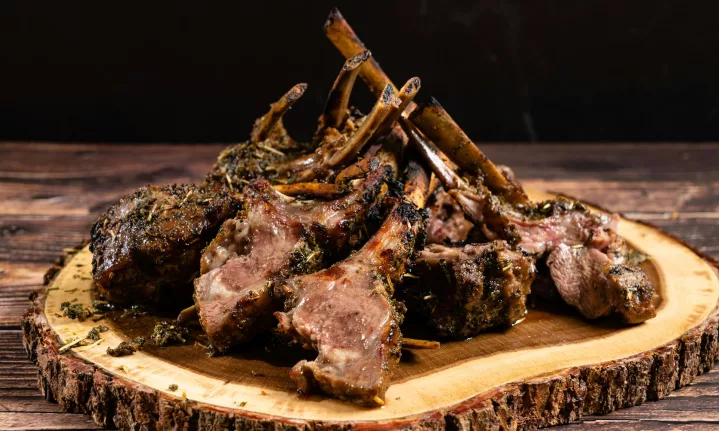
Make Karoo lamb the main event
Start with the region’s famous lamb, whether that means picking up meat for a braai or trying a traditional Karoo dish at a local restaurant.
Then look beyond the lamb. Seasonal produce such as figs, apricots and citrus appears at local markets, alongside olives, cheeses, bread and other homemade products.
Explore between meals
Prince Albert is more than a place to eat. Its historic streets are lined with Cape Dutch, Victorian and Karoo-style buildings, while the surrounding mountains offer hiking, cycling and spectacular drives.
A trip through the area can also include the dramatic Swartberg Pass, which links the Great Karoo and Klein Karoo.
Here, the food trail becomes part of a larger Karoo road trip, with farm produce and traditional cooking providing a taste of the landscape.
4. Follow apples, bread and farm produce through Elgin
Elgin is best known as a cool-climate wine region, but its agricultural landscape offers plenty of reasons to visit without stepping inside a tasting room.
The valley is surrounded by orchards and farms, with local producers supplying everything from fruit and juices to baked goods and fresh produce. Elgin Valley Tourism highlights blueberries, fruit juices, free-range chicken, artisan bakers and farm stalls among the area’s food experiences.
Stop at the farm stalls
Peregrine Farm Stall has been serving travellers in the valley since the 1960s and focuses on locally sourced produce and homemade food.
Its farm shop stocks seasonal products, pastries, food, honey and fresh juices, while its bakery produces bread, pies and other baked goods.
Explore the valley
Make the food stops part of a wider Elgin experience. Depending on the season, you can explore the orchards, visit markets, walk or cycle through the surrounding countryside, or simply enjoy the mountain scenery.
In spring, the valley becomes particularly appealing as the hills turn green and orchards begin to flower.
It is a reminder that a Winelands road trip does not have to revolve around wine.
5. Follow artisan food through Franschhoek
Franschhoek may be synonymous with wine, but the valley has another route worth following.
The Franschhoek Artisan Food Route brings together producers of cheese, bread, olives, olive oil, charcuterie, chocolate and other locally made foods.
Build your own tasting route
Start with cheese, then add freshly baked bread, handmade chocolate, charcuterie or olive products.
The route includes a range of producers, while the Franschhoek Village Market provides another opportunity to browse local food and fresh produce.
Leave time for the village
Franschhoek’s appeal extends beyond its food. The village has restaurants, cafés, galleries, shops and mountain scenery, making it easy to spend a full day exploring between food stops.
The trick is to treat the vineyards as scenery rather than the destination. Follow the food, stop at the farms and markets, and make the most of the valley without planning the day around a wine tasting.
A different kind of South African food trip
A wine route is only one way to explore South Africa’s agricultural landscapes.
Following cheese through the Midlands, oysters around Knysna, lamb and farm produce in the Karoo, apples and baking in Elgin, or artisan foods in Franschhoek offers a slower way to travel. The common thread is not what is in the glass, but what is being grown, made and cooked along the road.
Follow us on social media for more travel news, inspiration, and guides. You can also tag us to be featured.
Instagram | Facebook | Twitter | Spotify
ALSO READ:



.jpg)