



The most powerful safari moments sometimes happen when the bush is quieter, greener and less crowded, writes Lee-Ann Steyn.

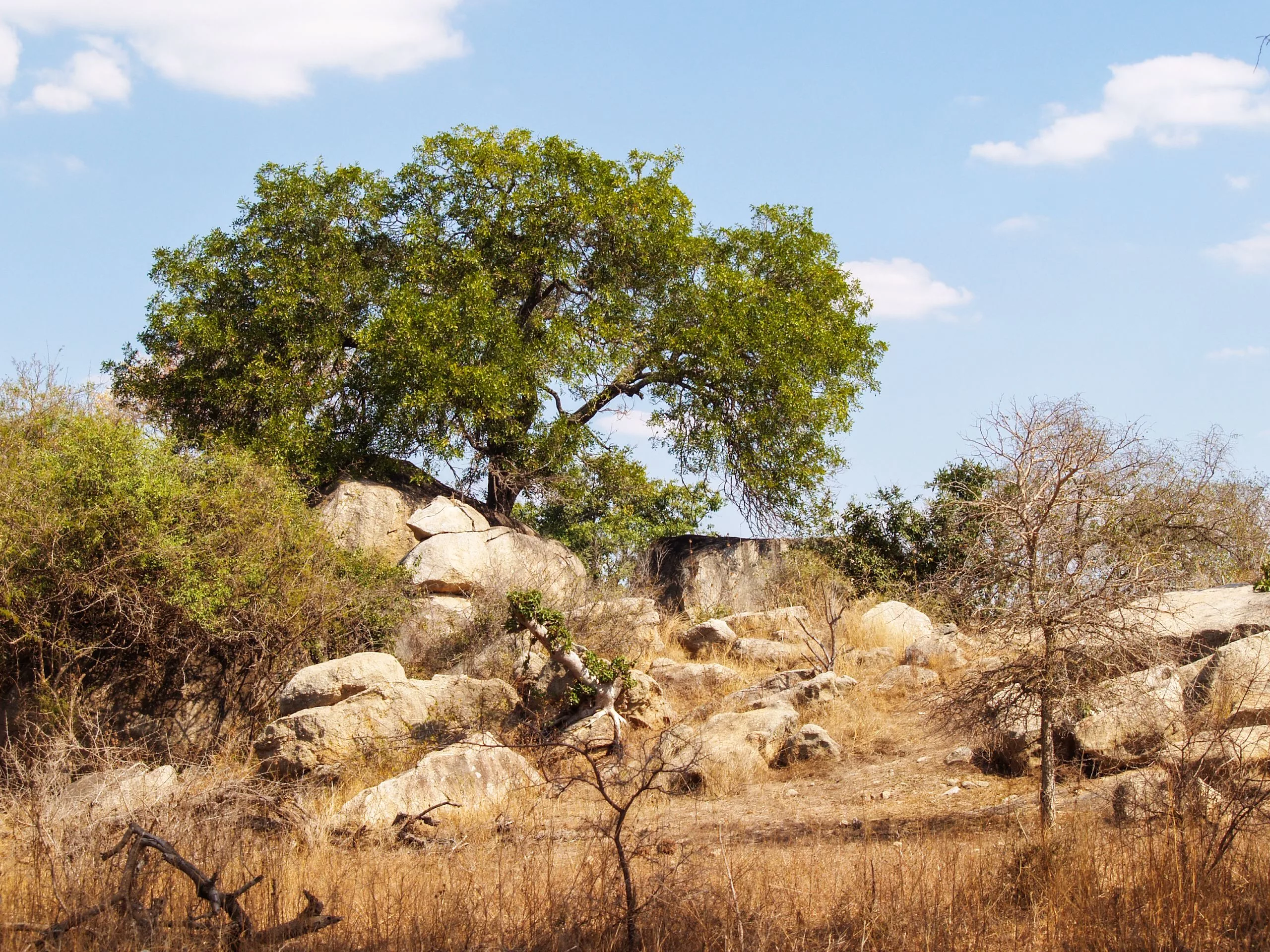
Image used for illustrative purposes/Andreea Munteanu/Unsplash
The safari seasons most travellers overlook
When people plan an African safari, the dry season usually tops the wish list. It is marketed as the ultimate window for wildlife viewing, river crossings and predictable game drives. But beyond the peak months lies a lesser-known chapter of safari travel. Africa’s quiet seasons, often called the green or shoulder seasons, offer experiences that many seasoned travellers quietly prefer.
These months typically fall between March and May and again from October to early December, depending on the region. Rain arrives, landscapes transform, and crowds thin out. What you lose in predictability, you gain in atmosphere, intimacy and a deeper connection to the wild.
Lush landscapes that redefine the safari aesthetic
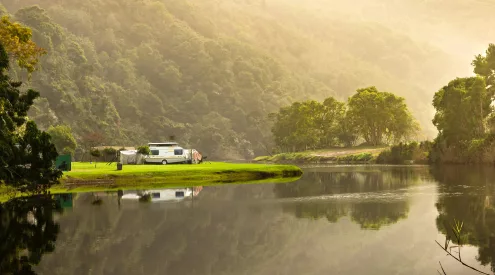
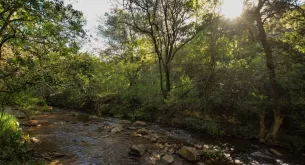
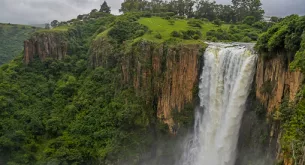
In the quiet season, Africa looks dramatically different. The dry season’s golden palette gives way to rich greens, flowering plains and reflective water channels. Storm clouds roll in, skies deepen in colour, and sunsets stretch longer.
For photographers, this is a gift. Animals are framed against vibrant backdrops instead of dusty horizons. Dramatic weather adds texture to images, while softer light creates more dynamic shots throughout the day. Even casual travellers notice the difference. The bush feels alive, layered and cinematic.
Fewer vehicles, more meaningful wildlife encounters
One of the most compelling reasons to travel during quiet safari seasons is the absence of crowds. Popular sightings are no longer surrounded by convoys of safari vehicles. Instead, encounters unfold slowly and privately.
Guides can linger longer at sightings, reposition vehicles without pressure and follow animal behaviour rather than fixed routes. This often results in richer storytelling and a more immersive experience. A leopard sighting at dusk or elephants crossing a swollen river feels more profound when it is shared with just a handful of people.
ALSO READ: African trips that pair perfectly with a South African holiday
A more affordable path to safari travel
Safari is often seen as a luxury reserved for special occasions. Quiet seasons challenge that perception. Lodge rates can drop by 20 to 40 percent, with additional savings on flights and park fees.
For first-time safari goers, this can be the difference between compromising on location and staying somewhere exceptional. For repeat travellers, it opens the door to longer stays, upgraded suites or private guiding experiences. Value does not mean less quality. It often means more flexibility and comfort.
Baby animals and heightened predator action
Many quiet seasons coincide with calving and breeding periods. This brings an entirely different rhythm to the bush. Newborn antelope wobble through the grass, young predators learn to hunt, and the balance between vulnerability and survival becomes more visible.
This period can be emotionally charged and visually captivating. Predators are active, birdlife is abundant and the bush hums with energy. For travellers interested in behaviour rather than box-ticking species lists, this season delivers.
Birding reaches its peak
For bird enthusiasts, quiet safari seasons are unmatched. Migratory species arrive in large numbers, breeding plumage emerges and calls fill the air after rainfall.
Wetlands expand, insects thrive, and bird activity intensifies. Even travellers with a casual interest in birdlife find themselves paying closer attention. From vivid rollers to elusive migratory raptors, the diversity is striking.
Personalised service and deeper storytelling
With fewer guests in camp, the entire safari experience becomes more tailored. Guides have more time to engage, share stories and adjust game drives to suit interests. Staff can focus on detail, from personalised meals to flexible schedules.
This slower pace encourages conversation and learning. Guests leave with a stronger understanding of ecosystems, conservation challenges and the human stories that shape these landscapes.
A different style of wildlife viewing
Quiet seasons are not about guaranteed sightings at every waterhole. Animals disperse more widely as water becomes abundant. This requires patience and curiosity.
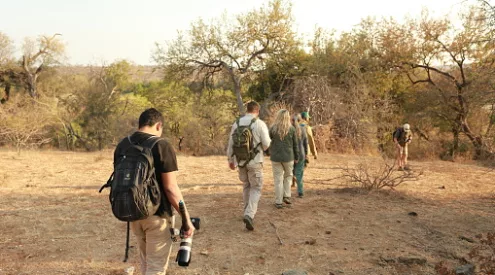
What emerges is a more exploratory safari. Unexpected encounters happen in lesser-visited areas. Tracking becomes part of the experience. Travellers learn to read the bush rather than wait for it to perform.
Understanding the regional differences
Africa’s safari calendar is not uniform. Southern Africa’s green season differs from East Africa’s rainfall patterns. Botswana’s flood cycles create unique contrasts, while Kenya and Tanzania offer shoulder season opportunities that balance rain with strong wildlife viewing.
Understanding these regional nuances strengthens planning and expectations. A well-timed quiet season safari can deliver exceptional experiences without the drawbacks many travellers fear.
Why quiet seasons suit conscious travellers
There is a growing shift toward slower, more responsible travel. Quiet safari seasons align naturally with this mindset. Travelling off-peak reduces pressure on ecosystems, supports year-round employment for lodge staff and spreads tourism benefits more evenly.
It also encourages travellers to engage more thoughtfully with a place, rather than chasing highlights on a rigid schedule.
Rethinking what makes a great safari
A great safari is not defined by how many animals you see, but by how deeply you experience the wild. Quiet seasons offer space, texture and moments of stillness that linger long after the journey ends.
For travellers willing to embrace rain showers, unpredictability and a slower rhythm, Africa’s quiet safari seasons may deliver the most rewarding adventures of all.
Follow us on social media for more travel news, inspiration, and guides. You can also tag us to be featured.
TikTok | Instagram | Facebook | Twitter
ALSO READ: The conservation corridors reconnecting Africa’s wildlife and why they matter to travellers