



Safari does not always announce itself with radio chatter, ticking species lists, or sunrise convoys of game-viewing vehicles. In some corners of southern Africa, the wild reveals itself more quietly through vast distances, ancient landforms, and long stretches of silence that demand patience rather than applause, writes Lee-Ann Steyn.
Why landscape-led safari matters
The most profound wilderness experiences are often shaped by absence rather than abundance. Fewer animals, fewer roads, and fewer people allow the land itself to speak. Heat shimmer, shifting sand, eroded rock, and star-heavy skies become the memory markers.
This style of safari appeals to travellers who want to slow down and observe rather than chase. It suits self-drivers, hikers, and contemplative explorers who value atmosphere over adrenaline and solitude over spectacle.
Kgalagadi Transfrontier Park

Meerkats in Kgalagadi Transfrontier Park/Derek Keats from Johannesburg, South Africa/Wikimedia Commons
The Kalahari as a place of scale and silence
The Kgalagadi does not ease visitors in. It stretches outward in every direction with red dunes, pale grasses and dry riverbeds that seem frozen in time. The landscape is deceptively simple, yet endlessly absorbing. Long distances between camps and sightings reinforce a sense of humility rather than entitlement.
Wildlife sightings feel earned rather than guaranteed. A lone cheetah on a dune crest or a black-maned lion crossing a riverbed becomes unforgettable precisely because of the waiting that precedes it. The dominant experience, though, is spatial. Sky outweighs earth, and silence becomes a constant companion.
Self-drive routes encourage slow travel and long pauses. Sitting still at a waterhole or along a dune road often reveals more than constant movement ever could.
ALSO READ:
Reforest Fest’26: Travellers will restore the land they love
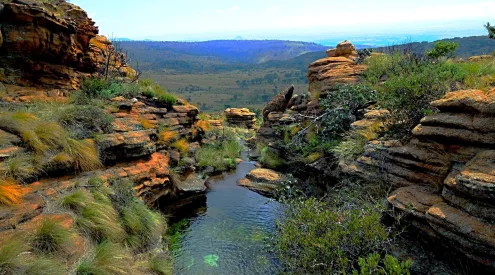
Mapungubwe National Park

Mapungubwe Cultural Landscape/Francesco Bandarin/Wikimedia Commons
Where cultural history and landscape converge
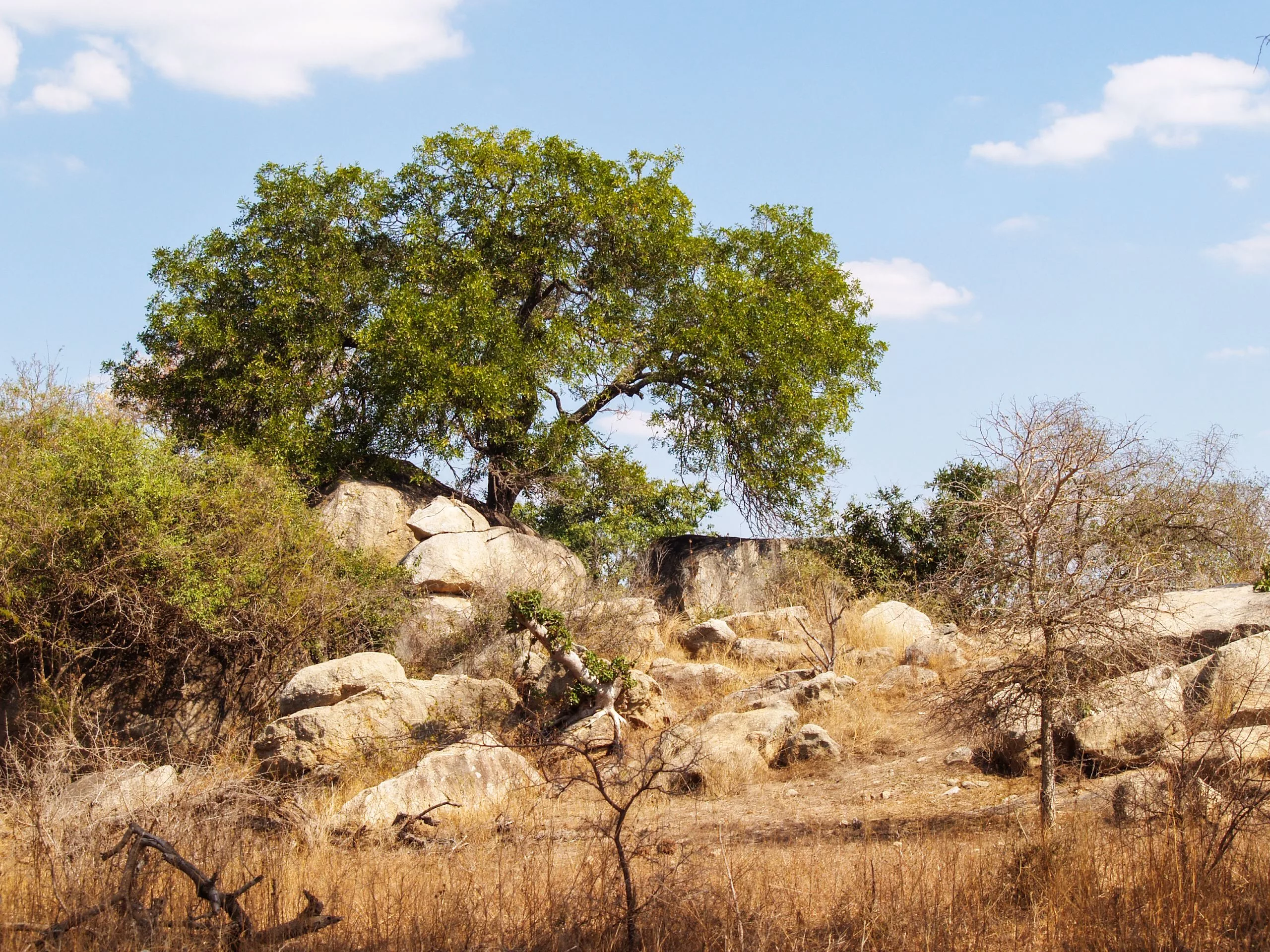
Mapungubwe’s power lies in its layers. This is a place where ancient civilisation, geological drama and open savannah exist in quiet conversation. Sandstone hills rise gently above floodplains, while baobabs punctuate the horizon with sculptural confidence.
The park’s UNESCO World Heritage status reflects human history rather than wildlife density. Remnants of an early African kingdom sit within a landscape that feels vast and contemplative. Viewpoints overlooking the Limpopo and Shashe rivers offer a sense of continuity rather than spectacle.
Game is present, but the experience rarely revolves around chasing it. Time here is better spent absorbing the relationship between people and place across centuries. Sunset walks, slow drives and quiet lookout points reinforce the sense that this is a thinking person’s safari.
ǀAi-ǀAis/Richtersveld Transfrontier Park

Halfmens in ǀAi-ǀAis/Richtersveld Transfrontier Park/Winfried Bruenken (Amrum)/Wikimedia Commons
A desert wilderness shaped by rock and extremes
The Richtersveld defies expectations of what a safari landscape should look like. Jagged mountains, volcanic rock and deep gorges dominate the terrain. Vegetation clings to life in improbable forms, from halfmen trees to dense clusters of succulents adapted to extreme aridity.
Wildlife exists at the margins rather than the centre. Mountain zebra, klipspringer and smaller desert-adapted species appear sporadically, often briefly. The land itself commands attention through texture, colour and raw physical presence.
Exploration requires commitment. High-clearance vehicles, careful planning and respect for the environment are essential. Campsites feel truly remote, often offering uninterrupted views of night skies that feel almost prehistoric in scale.
What these places teach about safari
Silence becomes the soundtrack
Engine noise and human voices fade into the background in these regions. Wind through grass, shifting sand and distant bird calls replace constant activity. Silence sharpens awareness and invites deeper observation.
The land tells the story
Geology and terrain provide context that animals alone cannot. Ancient river systems, eroded mountains and desert plains reveal how time shapes wilderness far beyond a single sighting.
Remoteness changes perspective
Distance from cities and infrastructure forces a slower rhythm. Planning matters. Patience is rewarded. Comfort becomes secondary to connection.
Wildlife encounters feel more meaningful
Animals appear as part of a larger system rather than as attractions. Brief encounters linger longer in memory because they occur within a powerful sense of place.
Who this kind of safari is for
This approach suits travellers who value atmosphere over abundance. It rewards those willing to trade predictability for depth. Photographers, writers, hikers and self-drive adventurers often find these landscapes more moving than traditional game-rich reserves.
Families seeking high-energy activity may struggle, but travellers craving reflection and scale often leave changed.
Rethinking what safari can be
Safari does not have to revolve around the chase. In landscapes like these, wildness is felt rather than counted. The reward lies in standing still, watching light shift across ancient ground and realising that the land itself is the most enduring presence of all.
Follow us on social media for more travel news, inspiration, and guides. You can also tag us to be featured.
TikTok | Instagram | Facebook | Twitter
ALSO READ:

,_Suricata_suricatta,_at_Kgalagadi_Transfrontier_Park,_Northern_Cape,_South_Africa_(35199206791).jpg)
