

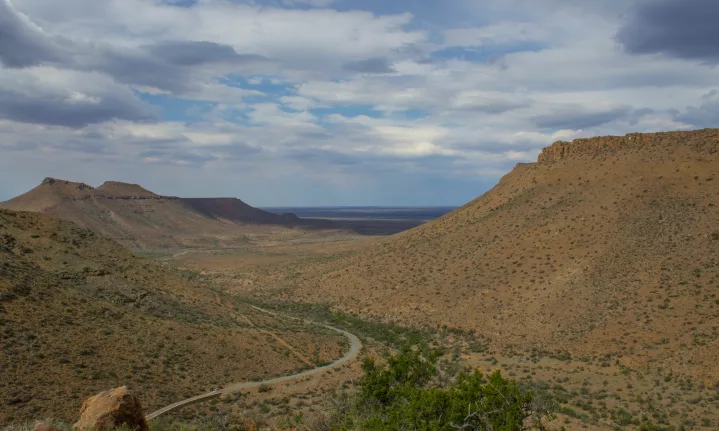
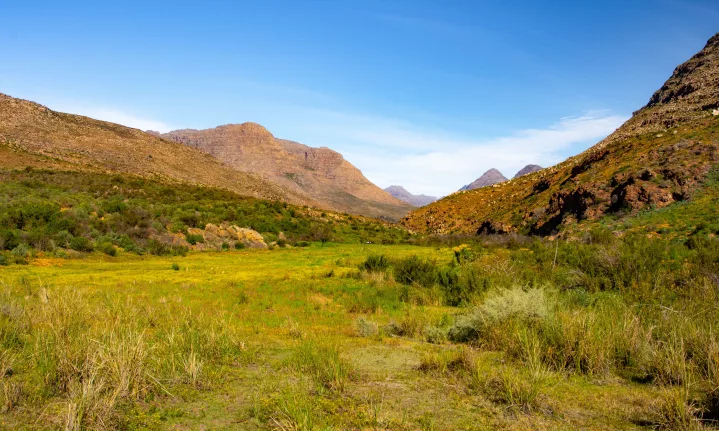
Some destinations are built around the idea of seeing and doing as much as possible. You arrive with a list, book the activities, chase the viewpoints and leave wondering whether you actually had a holiday. Then there are places that quietly change the pace for you.
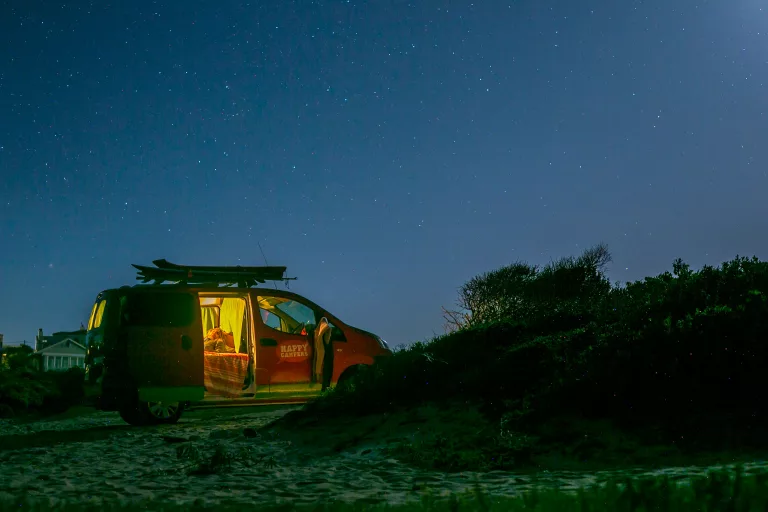
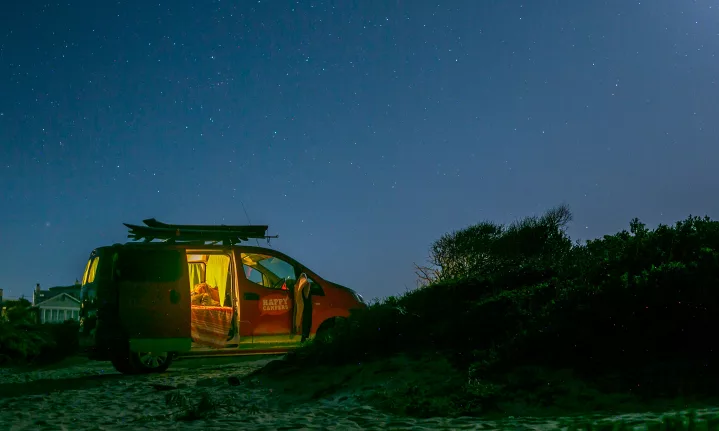
Struisbaai, South Africa / Mark Harpur / Unsplash
South Africa is full of destinations where the landscape does not reward rushing. Places where a long walk can take up an entire morning, where you stop the car because the view demands it, and where sitting outside doing absolutely nothing somehow feels like the best use of your time.
These are not necessarily places with nothing to do. Quite the opposite. They offer hiking, wildlife, swimming, birding and plenty of reasons to explore. The difference is that none of it needs to be hurried. Here are six South African destinations where the destination itself encourages you to slow down.
De Hoop Nature Reserve, Western Cape
There is something about arriving at De Hoop that makes the outside world feel very far away.
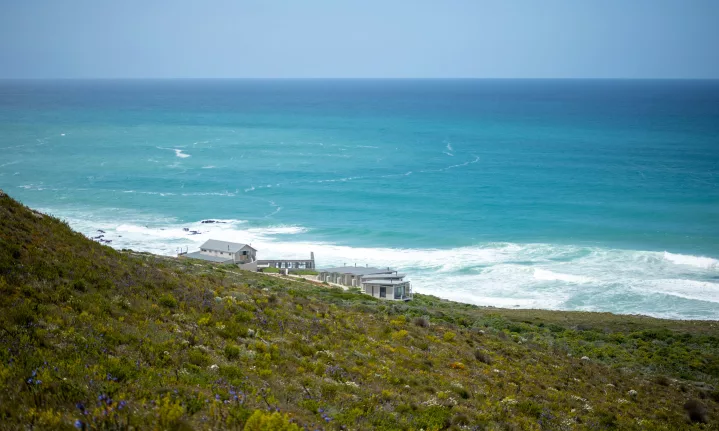
Set in the Overberg, about three hours from Cape Town, the 34 000-hectare reserve stretches across fynbos, dunes, wetlands and a spectacular stretch of coastline. Its history runs deep too. The wider area has evidence of human occupation dating back to the Early Stone Age, while the farm that eventually became De Hoop has a documented history reaching back to 1739. The reserve itself was proclaimed in 1957.
Today, De Hoop offers plenty of ways to fill a day, but the beauty lies in not feeling pressured to do all of them. Walk the coastal trail at Koppie Alleen, explore rock pools at low tide, cycle through the reserve or spend time watching for bontebok, Cape mountain zebra and eland.
Between June and November, southern right whales arrive along this stretch of coast to breed and calve, and the dunes at Koppie Alleen offer a particularly good vantage point. There is also the five-day Whale Trail for those wanting to slow things down even further and experience the landscape on foot.
Why visit: Because De Hoop makes a strong case for spending less time behind a windscreen and more time simply watching what happens around you.
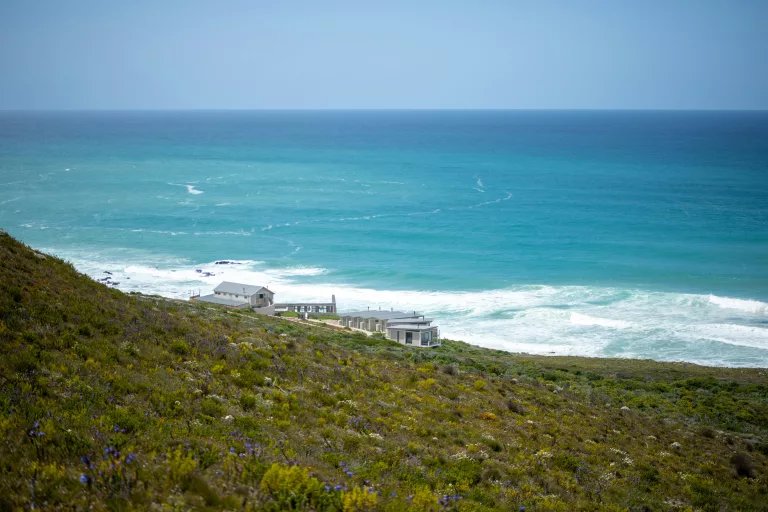
De Hoop Nature Reserve, South Africa / Marlin Clark / Unsplash
Tankwa Karoo National Park, Northern Cape and Western Cape
Tankwa Karoo National Park is not a place you visit for instant gratification.
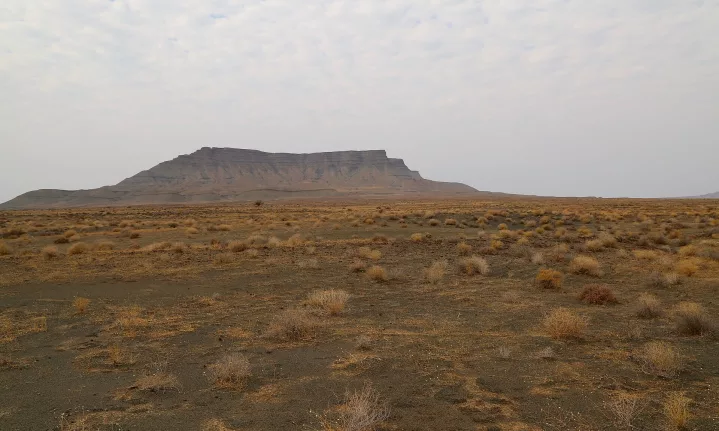
The landscape is vast, dry and at times almost lunar, lying between the Cederberg Mountains and the Great Karoo escarpment. The park was proclaimed in 1986, initially covering just over 27 000 hectares, before expanding substantially as additional conservation land was added. The region itself has a far longer human history, with evidence of San hunter-gatherers, Khoe pastoralists and later trekboer farmers who moved livestock through the area.
There are 4×4 routes, birding opportunities, game viewing, mountain biking, scenic viewpoints and stargazing, but Tankwa’s greatest attraction may be its sense of space.
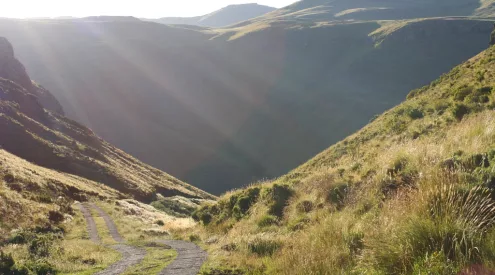
Take your time driving through the park and stop at Gannaga Pass, a dramatic six-kilometre route built during a public works programme in the 1930s. Its stone retaining walls and steep ascent are as much a part of the experience as the landscape around it.
Why visit: Tankwa does not offer the kind of trip you can squeeze into a tightly packed schedule. The distances, silence and scale of the landscape encourage you to leave some empty space in the itinerary.
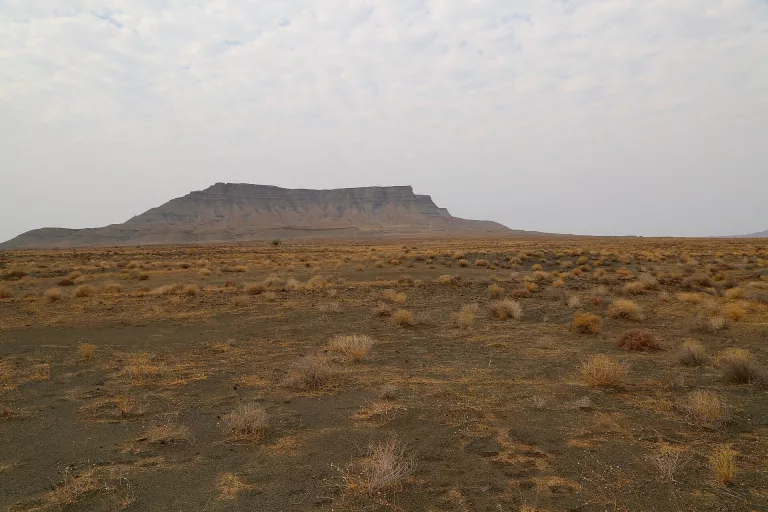
Tankwa Karoo National Park, Northern Cape, South Africa / yakovlev.alexey / Wikimedia Commons
Hantam National Botanical Garden and Nieuwoudtville, Northern Cape
Nieuwoudtville is often spoken about in terms of flowers, and for good reason. But reducing the area to a springtime photo opportunity would be missing the point.
Just outside the town, Hantam National Botanical Garden covers more than 6 000 hectares across three distinctive vegetation types. More than 1 350 plant species occur in the wider garden, with over 80 species endemic to the Bokkeveld Plateau.
Spring, particularly from August to October, brings the floral displays most visitors come to see. Yet the garden has another, less celebrated season in autumn, when species including Brunsvigia bosmaniae create dramatic displays across the veld. Even in summer, the open landscape lends itself to early-morning walks, cycling and long evenings spent under wide Karoo skies.
There are nine trails to explore, ranging across different habitats and soil types, as well as guided tours during the main flowering season. SANBI itself advises visitors not to rush, which feels like particularly sound advice here. Some of the most rewarding moments come from stopping to look closely at a flower, the soil beneath it or the insects moving between plants.
Why visit: Because Nieuwoudtville reminds you that slowing down can be as simple as paying closer attention to what is already in front of you.
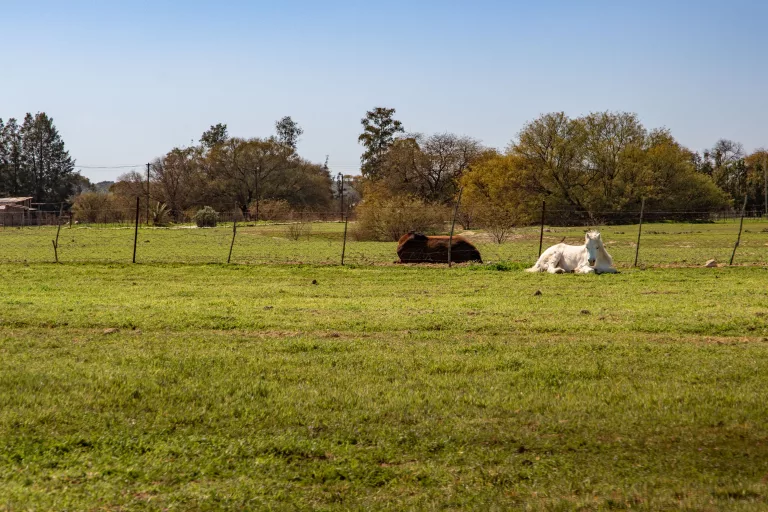
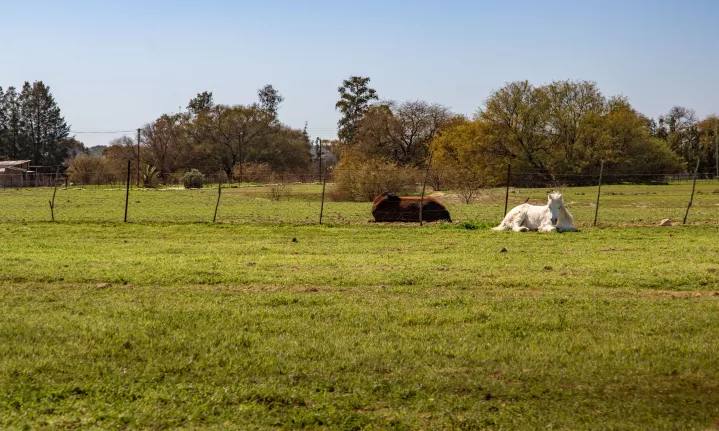
Two horses resting in a grassy field in Nieuwoudtville, South Africa on a sunny day / Magda Ehlers / Pexels
Gamkaberg Nature Reserve, Western Cape
The Little Karoo has no shortage of dramatic landscapes, but Gamkaberg Nature Reserve offers a quieter way into them.
The reserve was established in 1974 to protect a remnant population of endangered Cape mountain zebra. By 1976, only five of the animals remained in the reserve, making subsequent conservation efforts all the more significant.
Today, Gamkaberg is a place for people who would rather hear the wind than traffic. There are short hikes, picnic areas, a labyrinth and accommodation within the reserve, but the appeal is largely in the space and detachment that the landscape provides.
The reserve’s rugged terrain and open Karoo surroundings create the kind of setting where you can spend an hour walking without feeling the need to check how far you have gone.
Why visit: It offers a reminder that you do not always need a long list of activities to feel as though you have properly escaped.
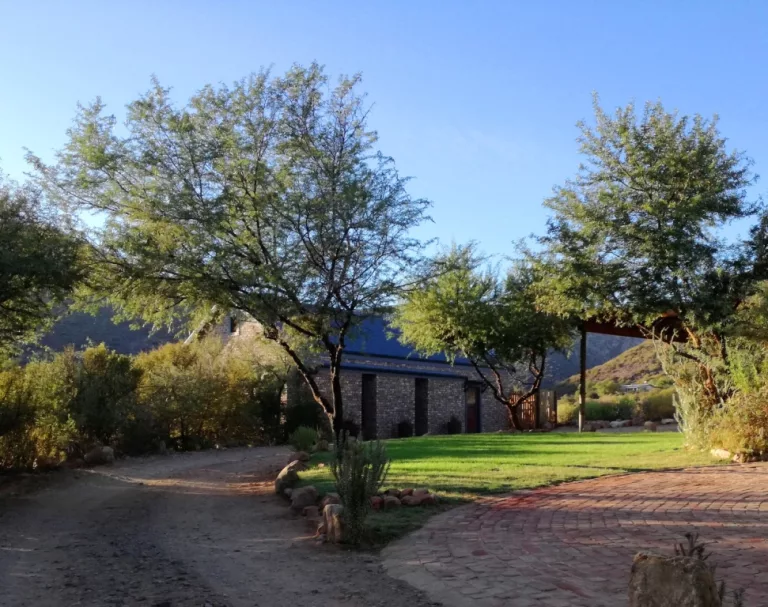
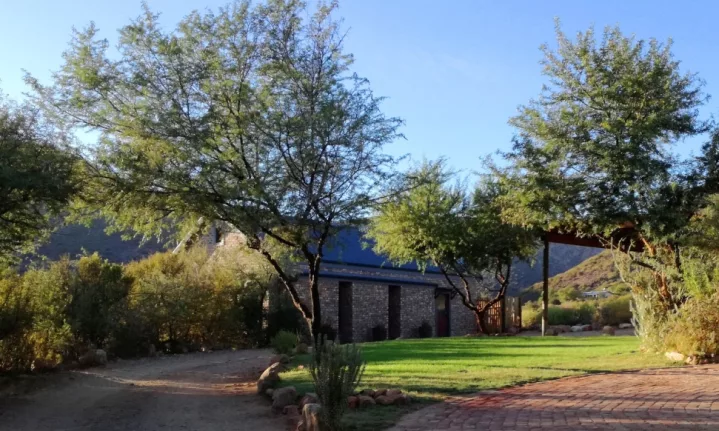
Gamkaberg Nature Reserve visitors centre in the early morning / S Molteno / Wikimedia Commons
West Coast National Park, Western Cape
A trip to West Coast National Park can be as active or as unhurried as you want it to be.
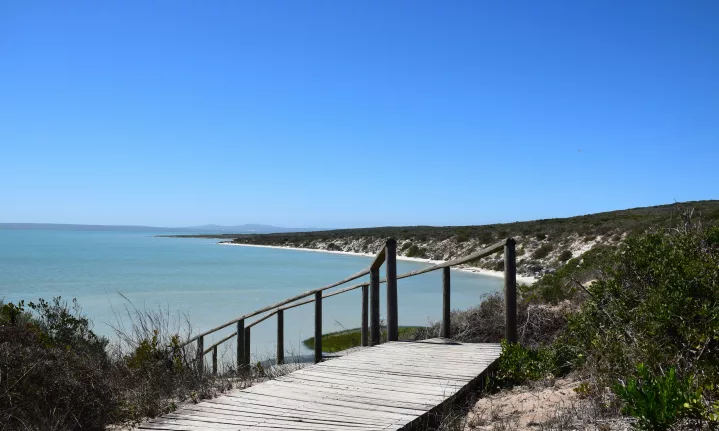
The park, proclaimed in 1985, centres around the Langebaan Lagoon and brings together coastal landscapes, wetlands, fynbos and beaches. It is also a place where natural and human history sit remarkably close together. The famous footprints known as Eve’s Footprints were discovered at Kraalbaai in 1995 and are associated with a young woman who lived about 117 000 years ago.
You could hike, cycle, birdwatch or explore the coastline, but equally, you could spend an afternoon at Kraalbaai, picnic beside the lagoon and let the day unfold without much of a plan. The park records more than 250 bird species annually and has a network of trails for visitors wanting to explore at a gentler pace.
Spring brings another reason to visit, when sections of the park become a major destination for wildflowers.
Why visit: It is close enough for a weekend escape, yet the lagoon and wide-open coastal scenery can make you feel much further away.
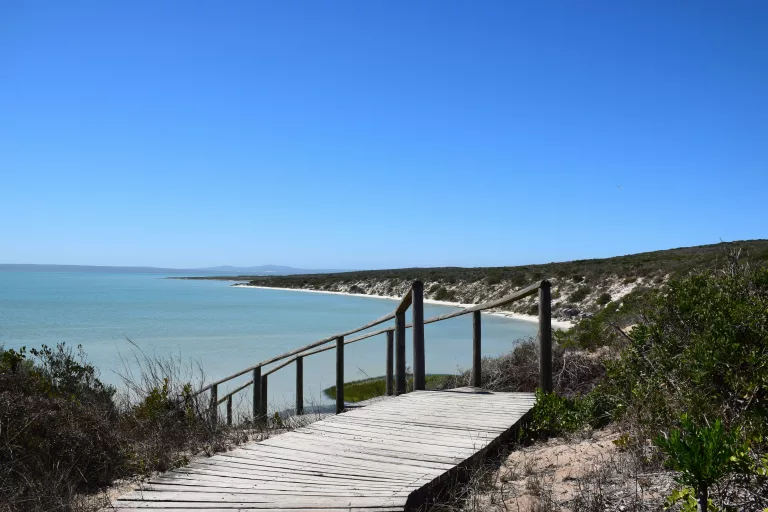
West Coast National Park Marine Protected Area, Langebaan, South Africa / Jess Snoek / Unsplash
Karoo National Park, Western Cape
For years, Beaufort West was seen largely as a place to stop overnight before continuing somewhere else. Karoo National Park offers a good reason to reconsider that habit.
The park was proclaimed in 1979 after years of campaigning to establish a conservation area representative of the Nama-Karoo biome. Its origins can be traced back to local farmer and birding enthusiast William Quinton, who began advocating for a protected area in the Beaufort West region during the late 1950s.
The park has since become a destination in its own right, with guided and unguided walks, game drives, mountain biking, birding and 4×4 routes. But perhaps the best way to experience it is to resist treating it as another overnight stop. Give yourself enough time to drive slowly, look for wildlife and watch how the landscape changes with the light.
The Karoo has a way of making distance feel different. Things seem far apart, silence feels bigger and there is very little reason to hurry from one point to the next.
Why visit: Because sometimes the best thing you can do on a road trip is stop treating every destination as a stopover.
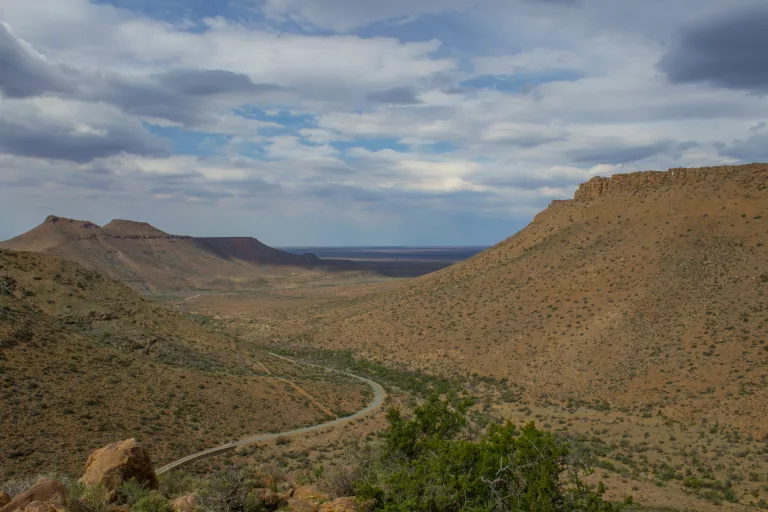
Karoo National Park, Beaufort West, Western Cape, South Africa / Marlin Clark / Unsplash
The luxury of taking your time
There is a tendency to measure a trip by how much we managed to fit into it. How many places we saw, how many activities we ticked off and how little time we wasted sitting still. But some destinations are better when you stop trying to get the most out of every minute.
Whether it is watching whales from the dunes at De Hoop, driving through the immense quiet of Tankwa, looking closely at a wildflower in Nieuwoudtville or sitting beside the Langebaan Lagoon with nowhere else to be, these places offer something increasingly difficult to find: permission to take your time.
And perhaps that is the real reason to visit them. Because sometimes getting away is not about going further, doing more or finding the next thing. Sometimes it is simply about staying still long enough to notice where you are.
Follow us on social media for more travel news, inspiration, and guides. You can also tag us to be featured.
Instagram | Facebook | Twitter | Spotify
ALSO READ:
10 quaint and quiet towns worth exploring in the Western Cape