





Wildlife travel does not have to mean ticking off sightings from the back of a safari vehicle or retreating to a lodge spa between meals. A growing number of couples are choosing experiences that are active, immersive and quietly challenging, favouring shared adventure over scripted romance.

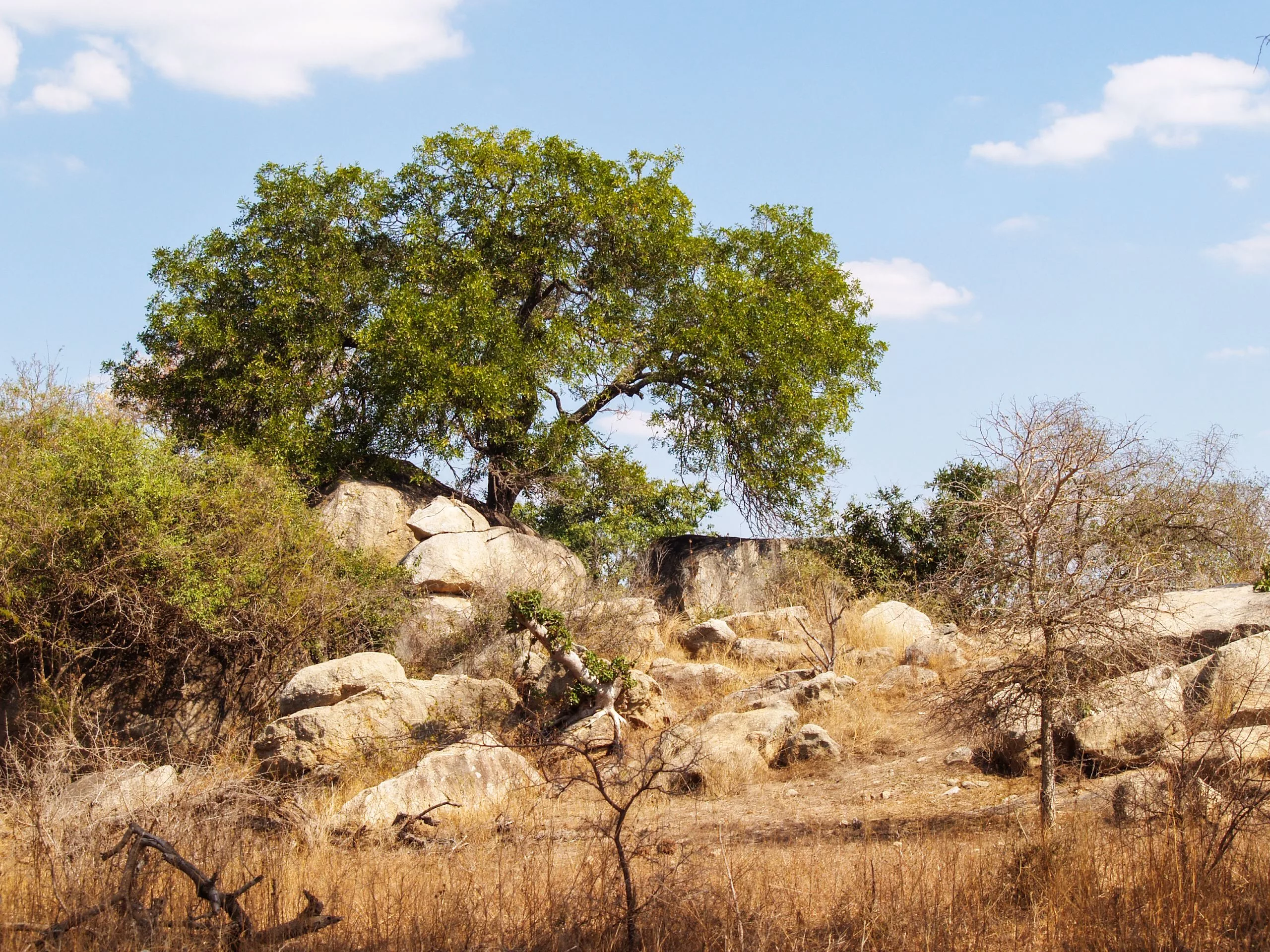
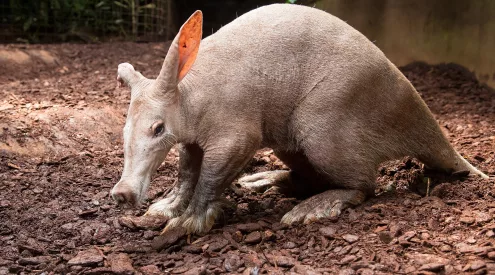
Image used for illustrative purposes/Kev Kindred/Unsplash
These wildlife escapes are designed for couples who would rather paddle, walk, cycle or track their way through wild spaces than be wrapped in rose petals and plush robes, writes Lee-Ann Steyn.
Why active wildlife travel resonates with modern couples
Traditional Valentine’s travel often leans heavily on indulgence, predictability and polish. Many couples, especially those who travel often, are seeking something different. Wildlife experiences that demand participation create a sense of partnership and presence. Walking together through big landscapes, navigating water routes or learning from conservationists shifts the focus away from performance and towards shared memory-making.
These trips also slow things down in unexpected ways. Without constant schedules, spa bookings or staged moments, couples tend to tune into each other and the environment more fully.
Walking safaris that trade comfort for connection

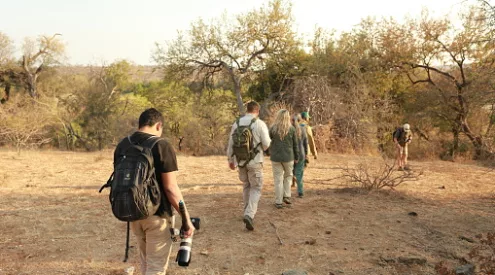
Walking safaris provide the chance to interact responsibly with the megafauna of the veld. Image credit: Lauren Dold/Getaway Gallery
Experiencing the bush on foot
Walking safaris strip wildlife encounters down to their essentials. Guides interpret tracks, bird calls and subtle changes in the landscape while couples move at a human pace through the bush. Every sound carries weight, from grass brushing against legs to distant alarm calls.
This type of safari suits couples who enjoy learning, trust and heightened awareness. Areas such as South Africa’s private reserves, Zambia’s South Luangwa and Zimbabwe’s Mana Pools are particularly well suited to multi-day walking experiences that replace vehicles with footpaths.
Why walking together changes the dynamic
Moving through wild terrain together creates quiet moments that are rarely replicated in vehicle-based safaris. Conversation tends to be softer and more thoughtful. Shared adrenaline and mutual reliance build a natural sense of intimacy without forcing romance.
ALSO READ: Where to take your Valentine on a budget (Johannesburg edition)
Cycling safaris for couples who like to earn their sightings
View this post on Instagram
Exploring wildlife areas on two wheels
Cycling safaris offer an unexpected way to engage with wildlife landscapes. Guided routes follow established tracks through conservancies and buffer zones where cycling is permitted, often accompanied by support vehicles and armed guides where necessary.
Botswana, parts of Namibia and select private reserves in South Africa are leading the way in low-impact cycling safaris that prioritise safety while keeping the experience physical and grounded.
A safari that feels collaborative
Cycling side by side encourages teamwork. Pace, stamina and navigation become shared concerns, turning wildlife encounters into collective achievements rather than passive observations.
Water-based wildlife experiences that favour calm over crowds

Image: Getaway Gallery
Mokoro and canoe safaris
Gliding through wetlands and floodplains offers an entirely different relationship with wildlife. Traditional mokoro safaris in the Okavango Delta or guided canoe trips along rivers like the Orange or Zambezi allow couples to move quietly through animal territory.
Hippos, elephants and antelope are often encountered at close range, with birdlife providing constant movement and sound.
River cruises with a wildlife focus
Small-scale river cruises designed around wildlife viewing rather than entertainment provide a gentler alternative to land-based safaris. Early morning and sunset outings reveal animal behaviour that is rarely seen from the road.
This style of travel suits couples who prefer observation and atmosphere over action without sacrificing depth of experience.
Seeing wildlife from unexpected perspectives

Hot Air Balloon Safari in Maasai Mara/Wajahatmr/Wikimedia Commons
Hot air balloon safaris at first light
Balloon safaris offer a rare vantage point over plains, river systems and herds on the move. The silence of flight and slow drift across the landscape creates a shared moment that feels both expansive and intimate.
This experience works particularly well in areas with open terrain, such as parts of Kenya, Tanzania and select Southern African reserves.
Mobile camps that follow wildlife movements
Mobile safari camps that relocate according to seasonal patterns allow couples to stay close to migration routes and shifting ecosystems. Rather than returning to the same lodge each night, the journey becomes part of the story.
This approach appeals to couples who value flexibility and immersion over permanence and polish.
Sleeping closer to the wild

Image: Getaway Gallery
Bush sleep-outs and star beds
Open-air sleep-outs remove barriers between travellers and their surroundings. Elevated platforms or simple camps expose guests to night sounds, changing temperatures and expansive skies.
Sharing a night under the stars tends to be remembered long after lodge details fade. This option suits couples comfortable with simplicity and unpredictability.
Lodges designed around waterholes
Accommodation overlooking active waterholes offers wildlife encounters without structured activities. Elephants, antelope and predators often pass through at dawn and dusk, turning private decks into observation points.
This setup allows couples to experience wildlife on their own terms, with space for solitude and unhurried time together.
Conservation-led wildlife encounters with purpose

A gorilla at Bwindi Impenetrable Forest/2H Media/Unsplash
Primate trekking experiences
Tracking gorillas or chimpanzees in forest environments demands physical effort and patience. The reward lies in rare, deeply moving encounters that place couples face-to-face with some of the continent’s most intelligent species.
Uganda, Rwanda and Tanzania offer well-regulated trekking experiences that emphasise conservation and respect for wildlife.
Participating in conservation activities
Some reserves and conservancies invite guests to join rangers, researchers or community projects for a day. Activities might include monitoring wildlife, learning about anti-poaching efforts or understanding habitat restoration.
Shared purpose adds a meaningful layer to travel, especially for couples motivated by impact rather than indulgence.
Rethinking romance in the wild
Wildlife escapes do not need to revolve around luxury rituals to feel romantic. Experiences rooted in movement, learning and presence often leave a deeper imprint. Couples who trade predictable pampering for immersion tend to return with stories shaped by effort, wonder and shared discovery.
These journeys prove that connection grows strongest when both people step slightly outside their comfort zones and into the wild together.
Follow us on social media for more travel news, inspiration, and guides. You can also tag us to be featured.
TikTok | Instagram | Facebook | Twitter
ALSO READ: Wildlife moments that happen between destinations