





When you think of African wildlife, chances are you picture a khaki-clad guide behind the wheel, binoculars in hand, cruising through the bush in an open 4×4. But there’s a growing appetite for alternatives—experiences that ditch the engine and bring you even closer to the wild.
Whether you’re on foot, in a canoe, behind a camera in a hide, or simply sipping coffee while warthogs trot by your porch, there are many meaningful ways to encounter wildlife—no game drive required.
Guided walking safaris

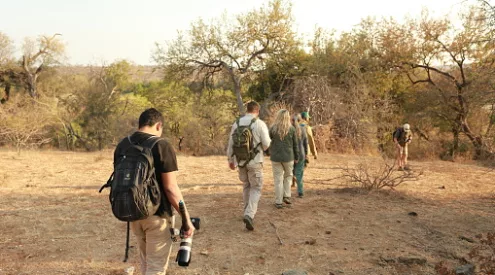
Sabi Sabi Sands/Ji Heng Lee/Unsplash
Walking safaris offer a compelling alternative to traditional game drives, allowing you to slow down and truly connect with nature. With an experienced guide and tracker leading the way, every sight, sound, and scent of the wild becomes part of the experience.
In South Africa, Samara Private Game Reserve in the Eastern Cape offers immersive walking safaris across five distinct biomes. These guided walks reveal the bush’s subtler details—tracks, insects, bird calls—and, if conditions allow, the chance to track cheetah or rhino on foot. It’s a quiet, humbling way to reconnect with the natural world.
Kruger National Park and the neighbouring Sabi Sand Game Reserve also offer rewarding walking experiences through a rich mosaic of woodlands and riverine vegetation, home to a wide range of wildlife.
Further afield, countries like Zambia, Tanzania, and Botswana also offer exceptional walking safaris for those seeking a more intimate encounter with the wilderness.
Canoe and kayak safaris

Okavango Delta mokoro/Stephen Marks/Wikimedia Commons
Swapping wheels for water adds a whole new perspective to wildlife viewing. Paddling along rivers or estuaries lets you glide quietly into the world of hippos, crocodiles, and birds, without disturbing them.
In Zimbabwe’s Mana Pools, canoe safaris along the Zambezi River are a bucket-list experience, offering sightings of elephants crossing channels and fish eagles diving for prey. The Okavango Delta in Botswana also allows for gentle mokoro (dugout canoe) safaris, where you can spot lechwe, sitatunga, and jacanas on floating lilies. Closer to home, St. Lucia Estuary in KwaZulu-Natal offers kayak excursions among hippos, crocs, and a rainbow of birdlife.
ALSO READ: Bush lodges where you can unwind in a sauna
Birding experiences

Nyamithi Hide at Ndumo Game Reserve/Bernard DUPONT/Wikimedia Commons
Birdwatching may be the quietest of wildlife pursuits, but it’s far from dull. From iridescent sunbirds to elusive ground hornbills, Africa is a twitcher’s dream—especially if you enjoy walking through wild landscapes to spot them.
The Mkhambathi Nature Reserve on the Eastern Cape’s Wild Coast offers rich birdlife in a rugged setting, where you might glimpse crowned eagles or Knysna turacos. Ndumo Game Reserve, further north in KZN, boasts over 430 bird species. Or explore the Marloth Nature Reserve above Swellendam, where fynbos-covered trails attract endemic species like the Cape sugarbird.
From the hide: Silent observation posts

De Hoop Nature Reserve/Marlin Clark/Unsplash
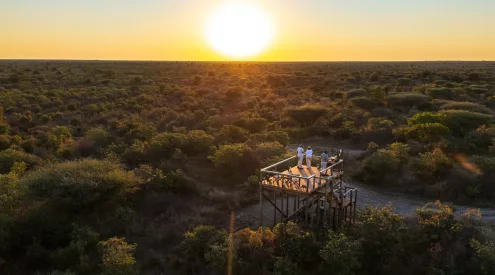
There’s something meditative about sitting in a hide, quietly waiting for the wildlife to come to you. It’s about patience and stillness—and the payoff can be incredible.
Zimanga Private Game Reserve in KwaZulu-Natal is renowned for its state-of-the-art photographic hides, some of which are used overnight. At Tswalu in the Kalahari, hides near waterholes allow photographers to capture desert-adapted wildlife at eye level. For coastal sightings, De Hoop Nature Reserve offers sheltered whale-viewing platforms during calving season from June to November.
Snorkel safaris: Underwater wildlife encounters

Duiker Island in Hout Bay/Joshua Kettle/Unsplash
Not all African wildlife lives on land. If you’re drawn to creatures that swim, slither, or shimmer, a snorkel or dive mask opens up another dimension of animal encounters.
In Cape Town, snorkelling with seals off the coast of Hout Bay is a wildly playful experience. Further up the coast, Sodwana Bay in KwaZulu-Natal offers some of the continent’s best diving, with colourful reef species, turtles, and seasonal whale sharks. Mozambique’s Bazaruto and Quirimbas Archipelagos also offer pristine snorkelling, where you might spot dugongs, dolphins, and dazzling coral fish.
Voluntourism & citizen science
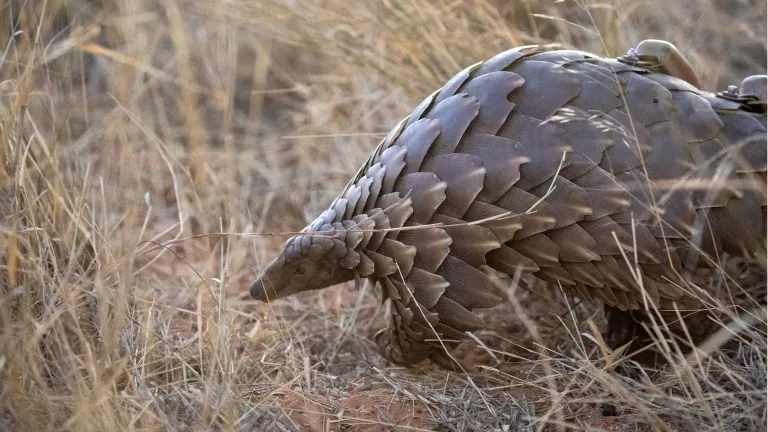
Pangolin monitoring in the Kalahari/WildlifeConservationist/Wikimedia Commons
For travellers who want to give back while getting closer to wildlife, voluntourism and citizen science experiences are growing. These projects allow you to assist in real research or conservation work while gaining deep insight into animals’ behaviour.
You can track pangolins with researchers in the Kalahari or join a turtle-monitoring programme along the iSimangaliso coast. Marine conservation initiatives in Watamu (Kenya) or Bazaruto (Mozambique) often welcome short-term volunteers to assist with coral reef surveys or dolphin research. It’s not luxury travel, but it’s rewarding.
Stay where the wildlife comes to you
View this post on Instagram
Sometimes, the best wildlife encounters happen when you least expect them, like when an elephant strolls past your veranda while you’re sipping coffee.
Mfuwe Lodge in Zambia’s South Luangwa famously has elephants that walk through reception each year in search of wild mangoes. In South Africa, Grootbos Private Nature Reserve near Gansbaai lets you wake up to rock hyraxes sunning themselves on your balcony. And in the Kalahari, places like Tswalu offer early-morning meerkat interactions where you sit quietly among the mob as they warm up in the sun.
Night-time encounters

Bat-eared fox at Kgalagadi Transfrontier Park/Derek Keats/Wikimedia Commons
The bush transforms after dark, and there’s a different cast of creatures to meet. Nocturnal safaris—or better yet, night walks—reveal secretive species that you’d rarely spot by day.
The Kgalagadi Transfrontier Park offers the chance to spot bat-eared foxes, porcupines, and owls under starlight. In Limpopo’s Marakele National Park, you can watch bats emerge from caves at dusk. And some reserves offer guided night walks where you might see bush babies leaping between trees or spot the glint of a genet’s eyes.
Follow us on social media for more travel news, inspiration, and guides. You can also tag us to be featured.
TikTok | Instagram | Facebook | Twitter
ALSO READ: Bush lodges where you can unwind in a sauna





.jpg)
