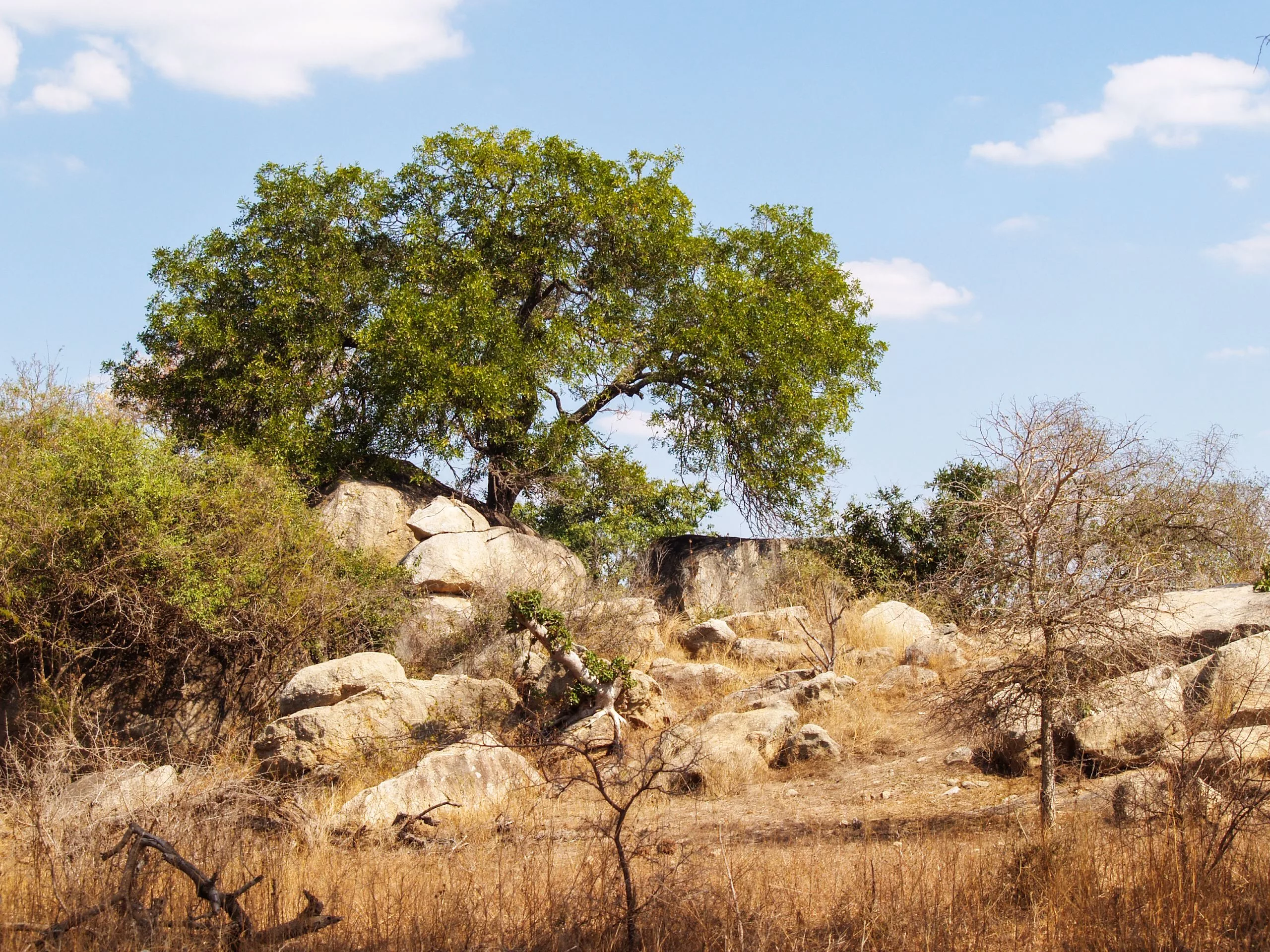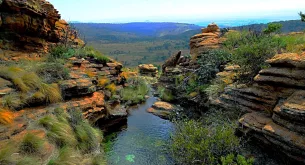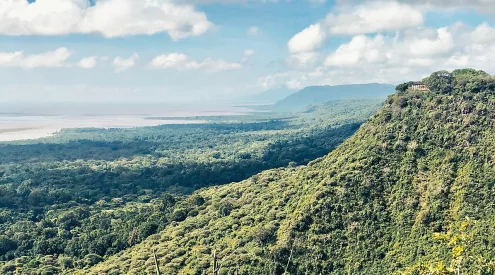


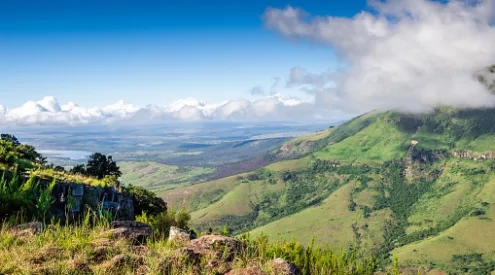

April is one of the most beautiful times to explore Southern Africa. The heavy summer rains ease, the air cools, and the bush bursts with colour after months of rainfall. Safari guides often say this is when the region looks its freshest. Rivers are flowing, landscapes are lush, and wildlife sightings begin improving as animals return to water sources.

Source: Regency Healthcare
According to travelnews.africa, while the safari season is hitting its stride, there is another reality travellers should keep in mind. Malaria risk does not disappear when the rainy season ends. Across parts of Southern Africa, the threat remains present during April, especially in the same wild areas many visitors travel thousands of kilometres to see.
For travellers planning wildlife adventures or cross-border road trips, awareness can make all the difference.
Why malaria risk still matters in April
By April, malaria transmission across the region generally starts declining after peaking between January and March. Yet the drop is gradual, not immediate.
Warm temperatures and standing water left behind by the rains allow mosquito populations to remain active for weeks. That means malaria-carrying mosquitoes continue circulating in certain parts of the region even as the weather cools.
This timing overlaps directly with one of the most popular safari windows of the year. Many travellers choose April precisely because the weather is comfortable and the landscapes are still green.
In other words, safari season and malaria risk can still go hand in hand.
The safari hotspots where travellers should stay alert
Across Southern Africa, malaria tends to concentrate in warm, low-lying environments near rivers, wetlands, and floodplains. These happen to be some of the most famous wildlife destinations on the continent.
In South Africa, malaria risk remains largely limited to the northeastern corner of the country. Areas of Limpopo and Mpumalanga fall within seasonal malaria zones, including the world-renowned Kruger National Park and many private reserves surrounding it. Parts of northern KwaZulu-Natal can also experience low to moderate risk.
Major cities such as Johannesburg and Cape Town remain malaria-free, which is why many travellers only encounter the risk once they leave urban areas for the bush.
Beyond South Africa, several iconic safari regions also sit inside malaria zones. Botswana’s northern districts, including the Okavango Delta and nearby wilderness areas, carry seasonal risk. In Namibia, malaria is mainly present in the Zambezi region and around the Okavango River.
Mozambique experiences malaria more widely, especially along coastal and rural areas where many beach and safari itineraries overlap. Meanwhile, rural regions of Zimbabwe, Zambia, Malawi, and Eswatini also continue seeing malaria transmission during April.
The pattern across all these destinations is similar. Risk tends to be higher in wildlife reserves, rural areas, and border regions than in large cities.
The common misconception travellers still make
Travel specialists often notice the same misunderstanding each year. Because April falls outside the peak rainy months, many visitors assume malaria is no longer a concern.
That assumption can lead travellers to skip precautions entirely.
Yet mosquito populations remain active after the rains end, and safari lodges located near rivers or wetlands often fall inside areas where malaria transmission still occurs.
The key message from travel professionals is simple. The safari remains safe and enjoyable, but preparation matters.
Simple precautions that make a big difference
Health experts recommend travellers planning trips to malaria-risk areas speak with a medical professional several weeks before departure. Preventive medication may be advised depending on the destination and itinerary.
Day-to-day precautions also play an important role. Mosquito repellent should be used regularly, particularly during early morning and evening hours when mosquitoes are most active. Wearing long-sleeved clothing and long trousers can also reduce the chance of bites, especially during outdoor activities at dusk.
Many safari lodges are already designed with protection in mind. Air conditioning, screened windows, and mosquito nets are common features in accommodations across malaria-risk areas.
Being aware of early symptoms is equally important. Fever, chills, headaches, fatigue, or muscle aches can appear during travel or even weeks after returning home. Anyone experiencing these symptoms after visiting malaria areas should seek medical attention and mention their travel history.
The bottom line for April safari travellers
Southern Africa’s wilderness experiences remain among the most extraordinary travel adventures on earth. From the elephant-filled floodplains of the Okavango Delta to the lion territories of Kruger National Park, the region’s wildlife landscapes draw visitors from around the world.
April offers cooler weather, stunning scenery, and excellent safari opportunities. With the right precautions, travellers can explore these destinations safely and confidently.
The secret is simply knowing that malaria risk has not vanished yet and planning accordingly. A little preparation ensures the focus stays exactly where it belongs: on the magic of the African bush.
Source: travelnews.africa
Follow us on social media for more travel news, inspiration, and guides. You can also tag us to be featured.
TikTok | Instagram | Facebook
ALSO READ:
Heavy rains flood Amboseli Airstrip, forcing temporary closure