Follow us on social media for more travel news, inspiration, and guides. You can also tag us to be featured.
Instagram | Facebook | Twitter
ALSO READ:
6 hydroelectric sites in Southern Africa that became travel destinations

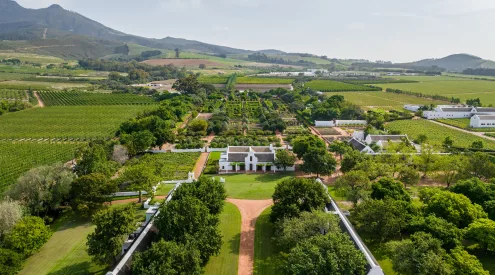
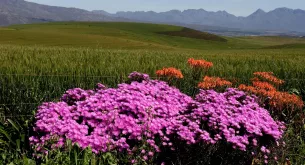
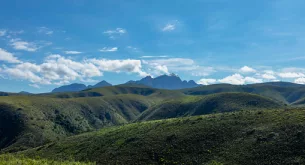
As autumn settles over the Bergrivier region, the landscapes surrounding Piketberg begin to change with the season.

Image: Supplied
Vineyards turn shades of gold and rust beneath the mountains, mornings arrive cooler, and farm kitchens fill with the smell of freshly baked bread and slow-cooked meals. Across the region, harvest season brings a quieter rhythm, shaped by agriculture, tradition and an enduring connection between land and table.
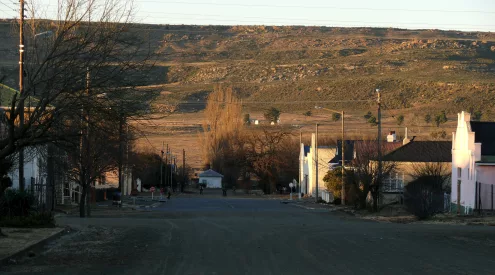
Located roughly 90 minutes from Cape Town, Piketberg has long been rooted in farming. Wheat, grapes, olives, rooibos and citrus form part of the region’s agricultural backbone, while smaller family-run farms and roadside stalls continue to preserve a slower, more localised way of experiencing food.
Unlike destinations where farm-to-table dining is carefully packaged as a tourism trend, in Piketberg it remains part of everyday life. Produce is often harvested nearby, recipes have been passed down through generations, and meals are closely tied to the changing seasons.
One of the most immersive ways to experience the region’s food culture is simply by exploring the roads that wind through the mountains and farmlands. Along these routes, padstalle and local markets offer a glimpse into the area’s agricultural identity.
The Piket-Bo-Berg Farmers Market, situated high on the plateau, has become a popular stop for both locals and visitors. Here, fresh seasonal produce, artisanal breads, preserves, honey and handmade goods reflect the diversity of the surrounding farms. The market also highlights the direct relationship between growers and consumers, something that remains central to rural food culture in the Bergrivier region.
Roadside farm stalls add another layer to the experience. Freshly baked mosbrood, warm roosterkoek, dried fruit and homemade jams are among the region’s familiar offerings, encouraging travellers to slow down and engage with the journey itself rather than simply passing through.
At Skrik van Rondom, visitors can also explore a selection of locally produced rooibos products, biltong and game meat, reflecting the diversity of flavours associated with the area.
The region’s farm-to-table identity extends well beyond food. Locally produced drinks also play an important role in shaping the visitor experience, particularly during the cooler autumn months.
At Org de Rac Organic Wine Estate, sustainable farming practices and organic wine production have become central to the estate’s identity. Wine tastings are often paired with local cheeses and seasonal ingredients, allowing visitors to experience how the region’s produce complements its wines.
For travellers looking for a quieter stop, Berg Coffee offers a slower and more intimate experience, where coffee and homemade baked goods become part of the wider journey through the countryside.
Rooibos, meanwhile, remains deeply connected to the identity of the wider region. From traditional cultivation and drying methods to contemporary products such as rooibos-infused gin, the ingredient continues to evolve while remaining firmly tied to its agricultural roots.
Nearby Redelinghuys contributes to this broader agricultural landscape through rooibos, citrus and grape farming, with much of the produce supplying both local markets and export industries.
Beyond the markets and cafés, the farms themselves remain at the centre of Piketberg’s food culture.
Olive farms across the region produce oils that reflect the dry climate and fertile soil of the area, while vineyards near Broodkraal contribute to the local wine industry and broader agricultural economy.
Game meat also forms part of the region’s culinary offering, particularly at establishments like Skrik van Rondom, where dishes are often prepared with minimal intervention to highlight the quality and flavour of the meat itself.
Together, these elements create a culinary landscape that feels seasonal, grounded and closely linked to the surrounding environment.
Just outside Piketberg, the historic village of Goedverwacht adds an important cultural dimension to the region’s farm-to-table story.
Founded in the early 19th century as a mission station, Goedverwacht has strong Khoisan heritage roots that continue to shape local traditions, farming practices and community life. Organic vegetable farming remains an important part of daily life, with seasonal produce still harvested by hand in many cases.
One of the village’s best-known traditions centres around the annual Snoek en Patat Fees, held in June. The festival celebrates the longstanding relationship between inland farming communities and West Coast fishing culture through food, music and storytelling.
Historically, local farmers traded sweet potatoes with fishermen in exchange for snoek, creating a practical and nourishing winter meal that became deeply embedded in the region’s food heritage. Today, that tradition lives on through dishes such as braaied snoek, sweet potatoes, roosterkoek and homemade preserves served during the festival.
Autumn in Piketberg is not defined by fast-paced itineraries or crowded attractions. Instead, the season encourages visitors to slow down and engage more deeply with the landscape, the people and the food.
It may take the form of a simple farm meal prepared with freshly harvested vegetables, a wine tasting overlooking the valley at sunset, or a roadside stop where bread is still warm from the oven.
Across the Bergrivier region, food remains closely connected to seasonality, heritage and community. In Piketberg, farm-to-table is less about presentation and more about authenticity, making autumn one of the most rewarding times of year to experience the region.
For more information, visit Bergrivier Tourism.
Follow us on social media for more travel news, inspiration, and guides. You can also tag us to be featured.
Instagram | Facebook | Twitter
ALSO READ:
6 hydroelectric sites in Southern Africa that became travel destinations
Necessary cookies are absolutely essential for the website to function properly. These cookies ensure basic functionalities and security features of the website, anonymously.
| Cookie | Duration | Description |
|---|---|---|
| cookielawinfo-checkbox-analytics | 11 months | This cookie is set by GDPR Cookie Consent plugin. The cookie is used to store the user consent for the cookies in the category "Analytics". |
| cookielawinfo-checkbox-functional | 11 months | The cookie is set by GDPR cookie consent to record the user consent for the cookies in the category "Functional". |
| cookielawinfo-checkbox-necessary | 11 months | This cookie is set by GDPR Cookie Consent plugin. The cookies is used to store the user consent for the cookies in the category "Necessary". |
| cookielawinfo-checkbox-others | 11 months | This cookie is set by GDPR Cookie Consent plugin. The cookie is used to store the user consent for the cookies in the category "Other. |
| cookielawinfo-checkbox-performance | 11 months | This cookie is set by GDPR Cookie Consent plugin. The cookie is used to store the user consent for the cookies in the category "Performance". |
| viewed_cookie_policy | 11 months | The cookie is set by the GDPR Cookie Consent plugin and is used to store whether or not user has consented to the use of cookies. It does not store any personal data. |
Functional cookies help to perform certain functionalities like sharing the content of the website on social media platforms, collect feedbacks, and other third-party features.
Performance cookies are used to understand and analyze the key performance indexes of the website which helps in delivering a better user experience for the visitors.
Analytical cookies are used to understand how visitors interact with the website. These cookies help provide information on metrics the number of visitors, bounce rate, traffic source, etc.
Advertisement cookies are used to provide visitors with relevant ads and marketing campaigns. These cookies track visitors across websites and collect information to provide customized ads.
Other uncategorized cookies are those that are being analyzed and have not been classified into a category as yet.